


For healthcare providers, medical clinic managers, and anyone guiding patients on vision health, there’s a silent threat that demands unyielding clinical vigilance: glaucoma. This progressive eye condition is notorious for its stealth, often taking years before vision loss is even perceptible. Yet, despite clear evidence on the benefits of early detection, myths and misconceptions still cloud both provider and patient understanding. In today's climate—where proactive health management is prioritized—knowing when and why to schedule a glaucoma screening isn’t just good practice; it’s non-negotiable clinical leadership.
No one understands this imperative better than Matthew Gregory, Principal Optometrist at Future Vision in South Perth. With a decades-long legacy of commitment to personalized, advanced eye care, Matthew and his Future Vision team have seen firsthand how strategic screenings—and not gut-driven symptom response—influence patient outcomes and life trajectories. Today, he unpacks why 2026 demands a shift from reactive to proactive glaucoma management.
Dr. Matthew Gregory Explains: Age Trumps Family History in Glaucoma Risk
A persistent misconception endures among both referrers and patients: that glaucoma screening matters only for those with a family history. According to Matthew Gregory of Future Vision, this misapprehension leaves countless individuals needlessly vulnerable. “People constantly ask, ‘But no one in my family has glaucoma—am I really at risk?’ We see it every week,” he shares. The truth, he points out, is far less reassuring for the average patient, especially as the years pass.
Age is the number one risk factor. According to Gregory, anyone over 50—even without relatives with glaucoma—should be prioritizing annual screenings. “We see risk increase with every passing decade, with patients over 65 at especially heightened risk,” he notes. This age-driven elevation in probability means that relying on family history alone is misguided and ultimately dangerous. Paraphrasing Gregory’s relentless advocacy: The real common denominator is age—ignoring this leads to preventable vision loss.
"People think they should only do it if they have family history. Whereas the actual main risk factor is age. So if anyone is over 50, a glaucoma screening is beneficial. And the older they get, the more important it is." – Matthew Gregory, Future Vision
Unseen Threat: The Silent Progression of Glaucoma
According to Future Vision Optometrists, the silent advance of glaucoma creates a perilous scenario: half of all glaucoma sufferers remain undiagnosed. This is not a statistical quirk—it is the lived reality of countless Australians who, in Gregory’s words, “don’t know what they can’t see. ” Unlike many other medical conditions, glaucoma typically progresses without pain, discomfort, or any clue that sight is slipping away. As Gregory points out, detectable symptoms, if they occur, only arise once much of the vision is irrevocably lost.
This “asymptomatic window” is what makes regular glaucoma screening indispensable—especially for those already juggling diabetes, hypertension, or other age-related risk factors. “When patients finally notice the effects of glaucoma, it is late—sometimes too late for meaningful intervention,” Gregory warns. The clinical urgency is clear: relying on symptoms, self-monitoring, or periodic check-ins only when something feels ‘off’ guarantee worse visual and socioeconomic outcomes.
"About 50 percent of people who have glaucoma don't get diagnosed. It's a very, very hard condition to pick up by the patient because it doesn't have any symptoms until the very end stage." – Matthew Gregory, Future Vision
Why Routine Testing Outweighs Symptom-Based Detection
Even among healthcare professionals and case managers, there remains a temptation to believe that vision changes, eye pressure, or other visual discomforts are early warning signs for glaucoma. According to Matthew Gregory, this assumption has led to avoidable vision loss, especially for the working population and older adults. “Patients often arrive claiming they’ve felt ‘pressure’ or have noticed eyesight getting worse, only to find those symptoms are unrelated or benign,” he notes.
The core clinical challenge is that glaucoma’s onset is truly silent. By the time symptoms prompt the scheduling of a glaucoma screening, irreversible damage may already have set in. Gregory’s fundamental lesson for every health administrator and optometry referrer: invest in scheduled, symptoms-independent screening protocols—they are the linchpin of glaucoma prevention strategies in South Perth and beyond. The expert’s perspective is simple yet profound: By the time you notice symptoms, the window for easy intervention has already closed.
"Patients often assume symptoms like eye pressure or vision changes are related to glaucoma, but these signs are usually linked to other conditions. Glaucoma remains symptomless until too late." – Matthew Gregory, Future Vision
How Early Detection Through Screening Protects Vision and Quality of Life
Regular glaucoma screenings catch subtle eye changes before damage worsens.
Early diagnosis prevents vision loss, protecting jobs and driving capabilities.
Bulk billing makes screenings accessible and affordable across South Perth.

Why does this matter for health managers, corporate wellness coordinators, and insurers? Early detection bought through glaucoma screening translates directly into preserved independence, workforce retention, and lower long-term care costs. Gregory emphasizes that bulk billing—universally available at Future Vision—removes a significant barrier to routine care, particularly for high-risk groups. For clients, employees, and patients alike, this cost accessibility is a critical enabler of consistent screening uptake.
Gregory’s point is clear: when regular screenings are prioritized, the human and economic cost of avoidable blindness is slashed. Early diagnosis means maintaining the ability to work, drive, and engage. Delayed detection, conversely, increases the risk of job loss, lost licenses, and social isolation. For every medical manager and insurance partner, promoting early glaucoma screening is not just responsible, it’s cost-effective—and primarily, it’s transformative for patient lives.
Case Example: The Pitfall of Waiting for Symptoms
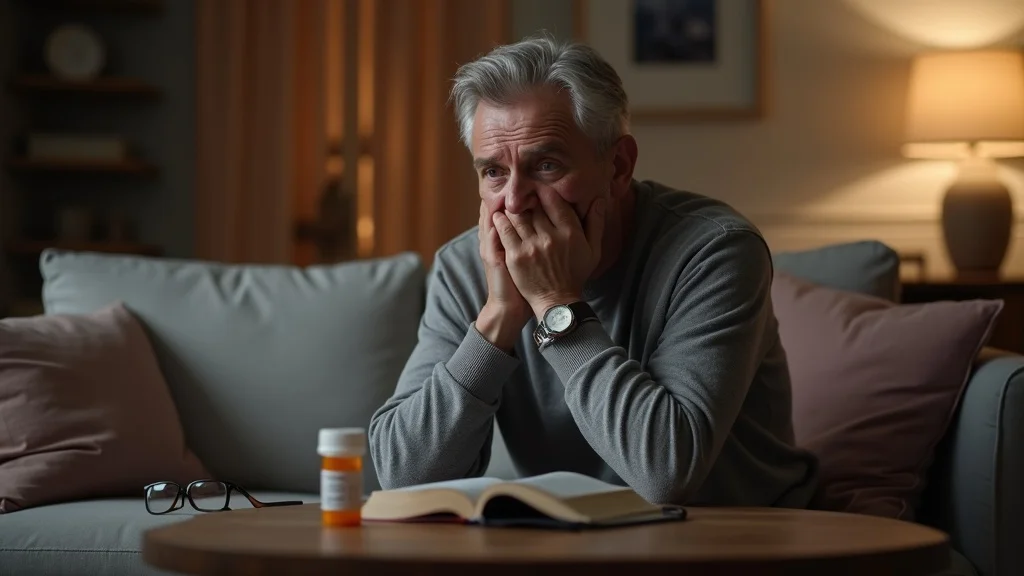
Gregory recalls countless cases when patients only presented after their suspicions were raised by benign symptoms, such as fluctuations in eyesight or mild eye discomfort. In nearly every instance, by the time clinical glaucoma was confirmed, precious vision—and a portion of their lifestyle—had already been lost. As Gregory shares, “They’ll come in thinking, ‘oh, it’s just my vision getting a bit worse,’ yet the actual cause is unrelated and we discover glaucoma too late. ”
His decades of practice underscore a difficult truth: decisions to delay screening based on ‘feeling fine’ or waiting for optically noticeable changes routinely result in advanced, less treatable cases. Gregory’s guidance is unwavering: “Regular eye checks, regardless of how your vision feels, are the only surefire way to catch glaucoma before it steals sight and freedom. ” For referrers and coordinators, the implication is unmistakable—proactivity, not patient self-navigation, defines the gold standard of glaucoma care in 2026.
Practical Guidance: Scheduling Your Glaucoma Screening at Future Vision
If over 50, schedule yearly glaucoma screenings regardless of family history.
Respond promptly to recall notices from your optometrist.
Confirm bulk billing options to reduce out-of-pocket expenses.
Ask questions freely to your optometrist to clarify concerns.
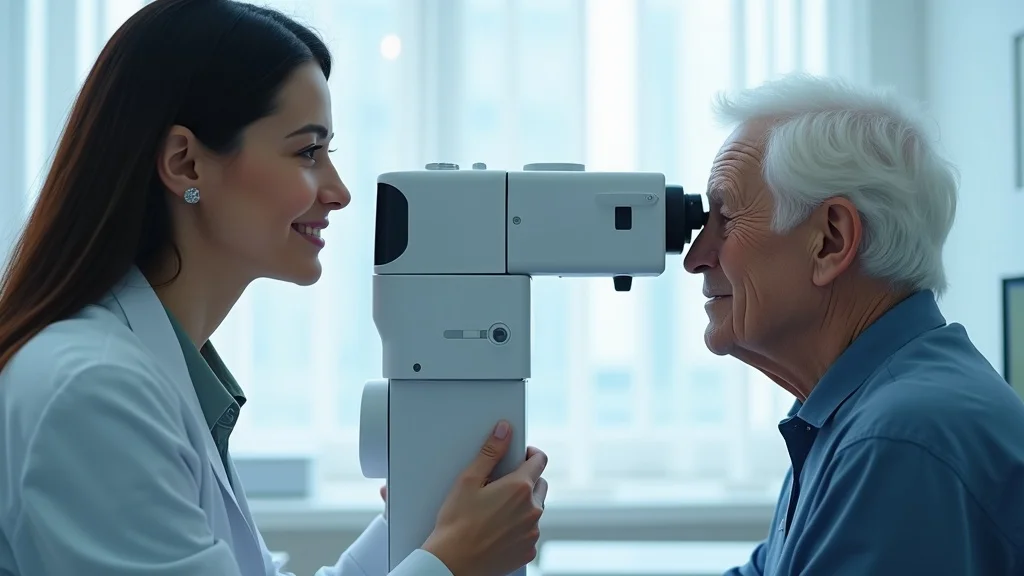
For medical directors, wellness teams, and case managers looking to streamline referrals, Future Vision in South Perth offers a frictionless pathway to effective glaucoma management. With bulk billing and advanced diagnostics as standard, barriers—clinical and financial—are expertly removed. Gregory urges all patients over 50 to treat annual glaucoma screening as non-negotiable. He further advises practitioners to empower patients: “If a recall is issued, ensure the appointment is promptly booked. The earlier the disease is detected, the less risk of vision and life limitations. ”
Affordability, accessibility, and a non-judgmental environment for questions are Future Vision hallmarks. With everything from advanced Optical Coherence Tomography (OCT) to friendly recall systems, the practice exemplifies how modern optometry supports optimal patient journeys—both for the individual and at the broader healthcare system level.
Summary: Key Takeaway on Glaucoma Screening Importance
"Always come in for an eye check regularly. If you get a recall from your optometrist, make sure you book relatively quickly. It's always cheaper to pick up on disease earlier rather than losing your vision and your license." – Matthew Gregory, Future Vision
FAQ: Common Misconceptions about Glaucoma Screening
Q1: Do I really need yearly glaucoma screening if I feel fine and see well? A: Absolutely. According to Matthew Gregory, glaucoma is silent—regular screenings are the only way to catch changes before vision is lost.
Q2: Is family history the only concern? A: No, age is the main risk factor after 50. Screenings remain crucial even without family history.
Q3: Are glaucoma screenings costly or not bulk-billed? A: At Future Vision, nearly all glaucoma screenings are bulk billed to make proactive care accessible and affordable for every South Perth patient.
Key Takeaways
Glaucoma screening should begin at age 50, regardless of family history—age is the real risk driver.
Symptoms are unreliable indicators of glaucoma progression. Rely on routine testing, not intuition.
Bulk billing and timely recalls make early detection attainable for all, preventing costly, life-altering consequences.
Need advice or ready to schedule your next glaucoma screening? Contact Future Vision in South Perth to safeguard your vision and ensure peace of mind for years to come.


Write A Comment