Absolute Local Blog
update

[Company Name]

update
  • Homepage
  • Subscribe
  • Contact Us
  • Categories
  • All Posts
  • Reputation Marketing
  • Search Engine Optimisation (SEO)
  • Web Design
  • Content Marketing
  • Social Media Marketing
  • Video Marketing
  • Digital Marketing
  • Email Marketing
  • News & Local Updates
June 24.2026
1 Minute Read

Why Choosing a Preferred Provider Optometrist Matters for Your Eye Care in South Perth

Matthew Gregory on Why Choosing a Preferred Provider Optometrist is Crucial for South Perth Eye Care

In South Perth’s ever-evolving healthcare landscape, the question of how to ensure timely, affordable, and expert eye care for patients has never been more critical. For healthcare providers, clinic managers, and referrers, the answer increasingly points to one essential choice: prioritizing a preferred provider optometrist. But what sets these providers apart in practice—and why does it matter so profoundly for your patients’ outcomes?

Drawing on the decades-long expertise of Matthew Gregory, founder of Future Vision, we unpack why this single decision holds the power to redefine the level of care, access, and patient satisfaction your clinic delivers. As an optometrist grounded deeply in both high-touch clinical care and advanced diagnostics, Matthew demystifies the true advantages that only a preferred provider status unlocks for South Perth’s diverse patient community.

"One of the biggest misconceptions we see is that all optometrists offer the same level of care and affordability — but choosing a preferred provider changes everything for your access and treatment options." – Matthew Gregory, Future Vision
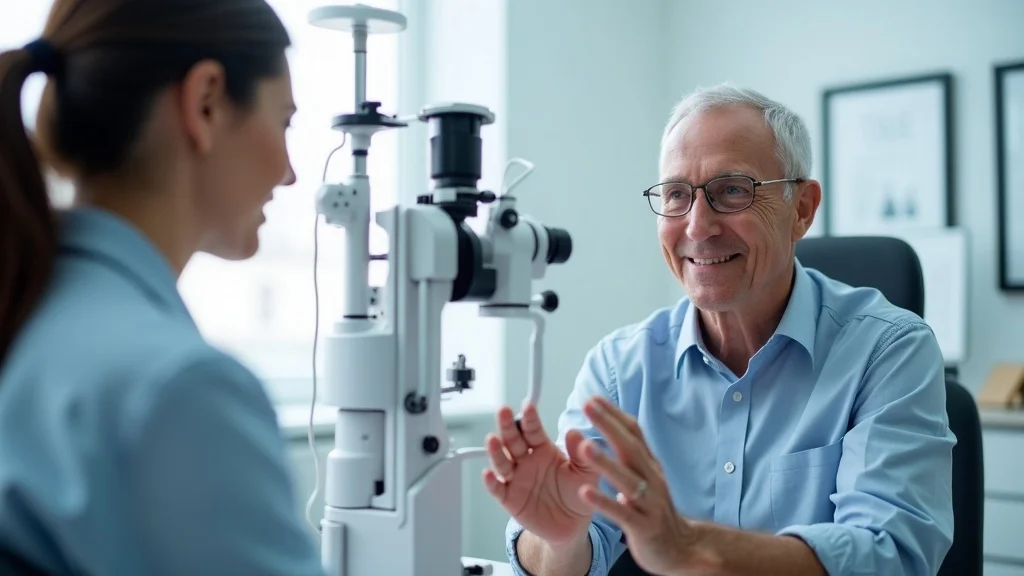
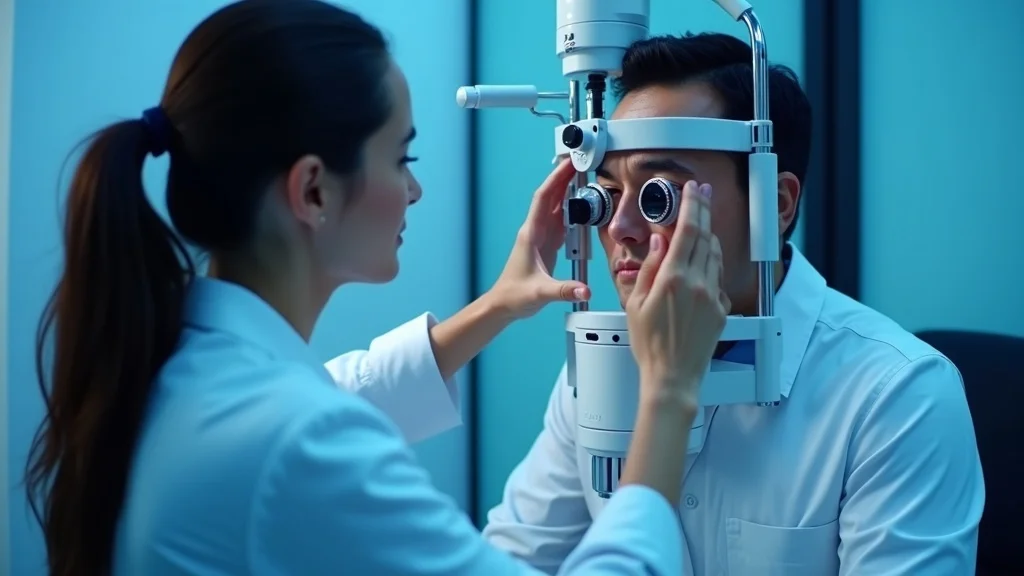
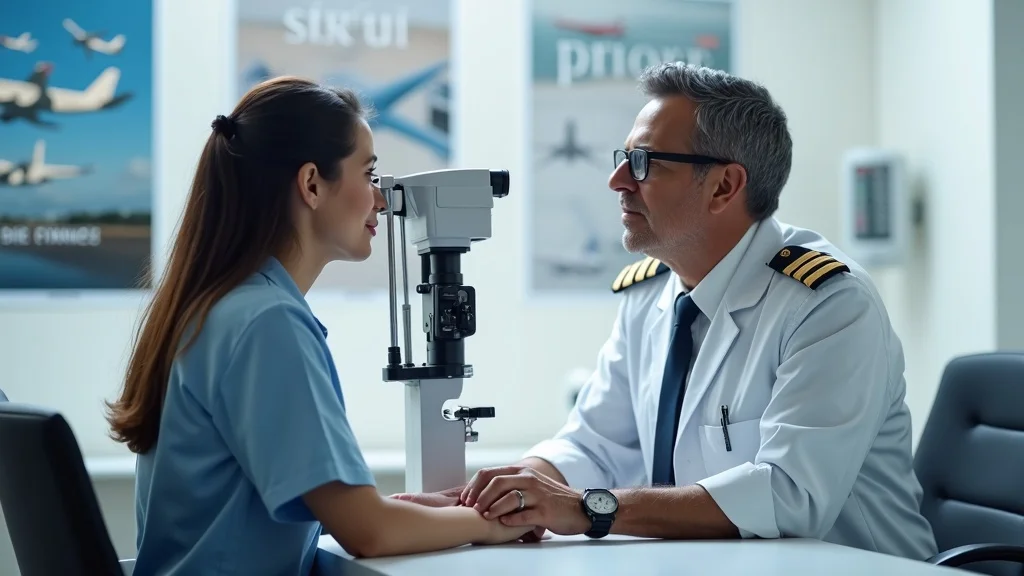
Preferred provider optometrist consultation in South Perth - warm, modern clinic with a friendly optometrist and smiling patient.

Key Advantages of Selecting a Preferred Provider Optometrist

According to Matthew Gregory, the distinction of a preferred provider optometrist extends far beyond contractual status with health funds. For both patients and healthcare facilitators, it introduces a suite of clinical and economic advantages seldom found elsewhere. Matthew’s perspective challenges traditional notions, illuminating how preferred provider partnerships transform eye care journeys from the earliest diagnostic stages to specialized interventions and curated eyewear selection.

A central pillar is accessibility. Where many clinics may surprise patients with gap fees or limited rebates, a preferred provider status—like that held by Future Vision—ensures widespread bulk-billing for eligible patients, directly removing cost barriers that delay sight-saving assessments. According to Matthew, this financial transparency is a game-changer: not only does it empower more frequent eye exams, but it also ensures early detection and timely management across all age groups and risk profiles.

"By being a preferred provider for major health funds like HBF and Medibank, we ensure our patients receive bulk-billed services, making high-quality eye care affordable and accessible." – Matthew Gregory, Future Vision
  • Comprehensive bulk billing for eligible patients
  • Access to advanced diagnostic tools: retinal imaging and OCT scans
  • Specialized services like Credentialed Aviation Eye Exams
  • Wide selection of stylish, personalized eyewear
  • Expert management of chronic retinal conditions such as diabetic eye disease and glaucoma
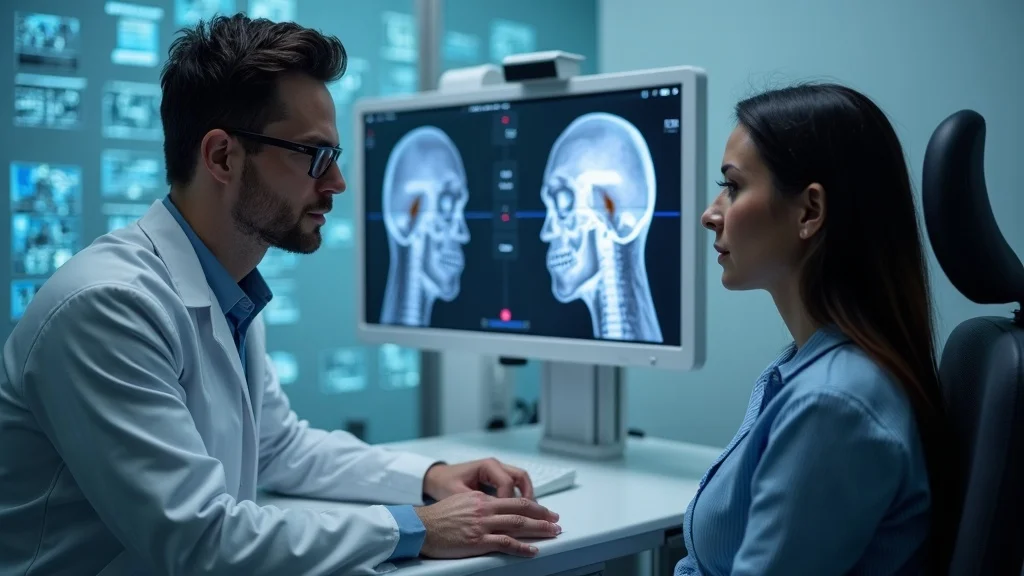
Advanced eye exam with Optical Coherence Tomography (OCT) at a preferred provider optometrist in South Perth

How Advanced Technology at Future Vision Elevates Eye Health Outcomes

The quality of outcomes in optometry today hinges on access to advanced diagnostic technology. Matthew Gregory emphasizes that being a preferred provider optometrist means patients and referring doctors benefit from the very latest in eye health innovation. This is particularly relevant in South Perth, where complex cases and high-risk patient profiles are common among both general and specialty referrers.

At Future Vision, every eye exam is supported by tools like Optical Coherence Tomography (OCT) and high-definition retinal imaging. These technologies offer cross-sectional insights into the retina, critical for identifying subtle pathological changes that standard checkups miss. The result is earlier intervention for diseases such as glaucoma, diabetic retinopathy, macular degeneration, and even evolving myopia—often before patients notice symptoms.

"Our state-of-the-art technology, including Optical Coherence Tomography and corneal topography, enables us to detect and manage eye diseases early, protecting vision for the long term." – Matthew Gregory, Future Vision

Tailored Services for Complex Eye Conditions

Not every patient’s needs fit the conventional mold. Matthew Gregory notes that for patients with advanced or niche requirements—such as those diagnosed with keratoconus, corneal scarring, or requiring aviation medical certification—the real value of a preferred provider emerges. Through tailored clinical solutions, Future Vision offers practical, science-backed pathways to safeguard and rehabilitate vision, supporting both the patient experience and compliance with specialized regulatory standards.

The expertise in fitting orthokeratology lenses for overnight vision correction and custom corneal lenses is particularly meaningful for young professionals, pilots, and individuals keen to manage eye health proactively. This depth of care, paired with OA-accredited screenings and personalized management plans, is what sets a preferred provider optometrist apart for referring partners who demand only the best outcome for their patients.

  • Orthokeratology contact lenses for overnight vision correction
  • Custom-fitted lenses for keratoconus and other corneal diseases
  • Credentialed Aviation Eye Exams aligned with CASA requirements
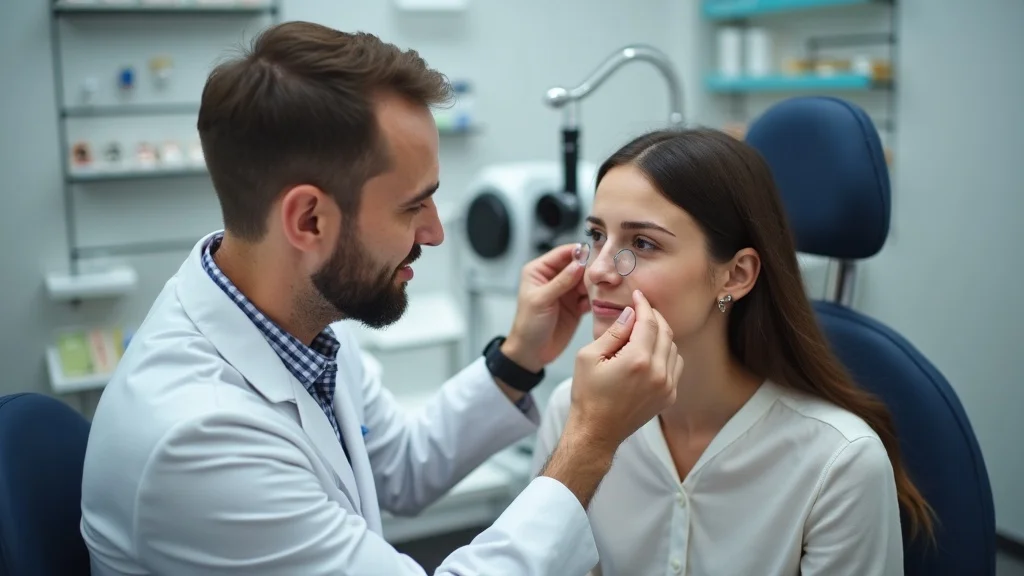
Preferred provider optometrist fitting keratoconus lenses in South Perth for personalized eye care

Dispelling Common Misconceptions About Preferred Provider Optometrists in South Perth

According to Matthew Gregory, many healthcare professionals and patients still operate under outdated assumptions about what a preferred provider optometrist offers. These misconceptions can inadvertently steer patients away from best-practice care, undermining both accessibility and clinical outcomes. Matthew believes that informed referrers are key to bridging this knowledge gap, ensuring care pathways always reflect the most up-to-date standards and opportunities available in South Perth.

From the breadth of designer frames to the scope of specialist services, the truth is that not all optometrists deliver care on an equal playing field. Recognizing this difference is more than an administrative matter; it’s a crucial lever for improving both day-to-day operations in medical settings and long-term vision quality for patients.

Extensive designer eyeglass selection at preferred provider optometrist in South Perth, diverse group browsing stylish frames

Not All Optometrists Are Equal in Accessibility and Care

Matthew Gregory emphasizes the practical realities that set preferred providers apart: seamless insurance integration, enhanced access, and focused clinical excellence. Myths persist, but each is readily addressed by considering how preferred provider arrangements function daily for both patients and partners in care.

Below, core misconceptions are dissected from Matthew’s expert vantage point, demonstrating the importance of selecting a preferred provider optometrist for any healthcare pathway in South Perth:

  1. Misconception: Preferred providers are harder to access – Fact: They streamline care with bulk billing and insurance partnerships.
  2. Misconception: Preferred provider optometrists lack advanced clinical services – Fact: They often lead in diagnostic technology and specialized care.
  3. Misconception: Eyewear options are limited – Fact: Preferred providers like Future Vision offer extensive designer frame selections.

Healthcare professionals in South Perth discussing patient referral to a preferred provider optometrist for optimal eye care

Practical Tips for Healthcare Professionals to Refer Patients to a Preferred Provider Optometrist

Making informed referrals starts with clarity about the unique benefits a preferred provider optometrist brings for diverse patient groups. Matthew Gregory encourages medical clinic managers, insurance coordinators, and corporate wellness leaders to embrace these referral strategies and ensure no patient misses out on advanced care or cost-saving opportunities.

Whether evaluating potential vision changes, managing chronic eye disease, or addressing occupationally linked requirements, referring to a preferred provider like Future Vision opens direct channels to sophisticated diagnostics and credentialed services. Matthew emphasizes that confident referrals underpin collaborative treatment success and enhanced patient satisfaction.

  • Understand insurance and bulk billing benefits offered by preferred providers
  • Identify patients needing specialized screenings or advanced diagnostics
  • Communicate the availability of both clinical excellence and affordable eyewear options
  • Leverage Future Vision’s credentialed services for aviation medical examinations

Closing Thoughts: Maximizing Eye Care Quality and Affordability in South Perth

"Choosing a preferred provider optometrist like Future Vision is about securing comprehensive, quality, and affordable eye care tailored to your unique needs." – Matthew Gregory, Future Vision

As the conversation around healthcare affordability and excellence intensifies, the guidance of trusted specialists like Matthew Gregory becomes invaluable. The future of South Perth’s eye care depends on health professionals who recognize the transformative impact of partnering with a preferred provider optometrist. By doing so, you guarantee your patients gain more than routine eye checks—they secure lifelong vision quality, prompt attention, and tailored solutions, underpinned by both economic sense and clinical leadership.

Now is the time for healthcare providers, case managers, and aviation examiners to strengthen referral networks, educate patients about their entitlements, and collaborate with practices that set the bar for accessibility, fashion-forward eyewear, and sophisticated vision care. According to Matthew Gregory, the difference is not just felt at checkout—it’s seen in every future eye test, every diagnosis caught early, and every life made brighter through the gift of measured, professional eye care.

Next Steps for Healthcare Providers and Coordinators

  • Refer patients with confidence knowing they receive expert, bulk-billed services
  • Collaborate with Future Vision to enhance patient eye health outcomes
  • Educate patients on the benefits of preferred provider optometrists

Ready to elevate your patient care? Schedule A Bulk Bill Eye Test or call (08) 9367 4726 to ensure your patients benefit from South Perth’s leading preferred provider optometrist at Future Vision.

News & Local Updates

0 Views

0 Comments

Write A Comment

*
*
Please complete the captcha to submit your comment.
Related Posts All Posts
06.17.2026

Comprehensive Children’s Eye Exams in South Perth: Early Detection and Vision Development Insights

Is the fate of a child's vision determined by chance or by proactive care? For healthcare providers, clinic managers, and wellness coordinators in South Perth, this question isn’t just theoretical—it’s central to the well-being of countless families served. In an age marked by the alarming rise of childhood myopia, the necessity of early and regular children's eye exams cannot be overstated. As most vision issues manifest silently during crucial developmental years, waiting for symptoms to arise could mean missing the window for the most effective intervention. In this article, Matthew Gregory of Future Vision distills decades of clinical expertise into a single clear directive: early and proactive eye checks are vital. He’ll unravel pervasive misconceptions, highlight South Perth’s unique challenges, and share actionable strategies that empower both professionals and families to counteract the growing vision crisis in children. Matthew Gregory on the Urgency of Early Detection in Children's Eye Exams "People should only go in if the kid has a problem. But in reality, there's a lot of eye conditions that can be picked up much earlier. And the earlier you pick things up, the much better outcome it has for the child." – Matthew Gregory, Future Vision According to Matthew Gregory, one of the most deeply entrenched misconceptions surrounding children's eye exams is that they are only necessary when a problem is clearly visible. In reality, many pediatric eye conditions—ranging from refractive errors to amblyopia (lazy eye)—develop quietly, eluding detection until significant damage impedes learning and lifestyle. Gregory emphasizes that early detection not only optimizes clinical outcomes but also relieves unnecessary stress on families: when issues are found early, interventions are shorter, simpler, and more effective. This revelation forms the bedrock of Future Vision’s approach. Backed by advanced diagnostic tools and bulk billing accessibility, their South Perth team ensures that no child’s vision is left to chance. The earlier an issue is caught, the higher the likelihood for full visual development—a perspective that flips the traditional, reactive model of pediatric eye care on its head. Understanding the Myopia Epidemic in South Perth Primary Schools "There's a myopia epidemic, so more and more kids are requiring glasses. And in future near future vision in South Perth, with multiple schools and many primary school aged kids, it's important to get a quick check with a local optometrist." – Matthew Gregory The myopia epidemic is not a distant concern—it is unfolding in South Perth right now, subtly shifting the vision landscape for local children. As Matthew Gregory underscores, the demographic density of primary schools in South Perth amplifies the urgency to prioritize short-sightedness screening, as myopia progresses swiftly during childhood. This isn't merely about prescribing glasses; it's about intercepting a generational health trend before it leads to more severe, lifelong visual limitations. Healthcare providers and managers must recognize that every child in their catchment is at risk of undetected vision loss without routine children's eye exams. South Perth’s vibrant school-age population demands community-based partnerships with trusted optometrists. As Gregory sees it, local, rapid-access checks bridge the gap between school-based vision screenings and full clinical care—acting as the first line of defense in a battle against preventable impairment. How Early Eye Exams Prevent Long-Term Vision Problems "I've had many patients that come in for a regular eye check and then it turns out the kid has a large prescription or developing a lazy eye. The quicker it gets picked up, the more effective the treatment." – Matthew Gregory Every month counts when it comes to correcting childhood eye issues. As Matthew Gregory explains, cases of substantial prescription errors or the early onset of lazy eye (amblyopia) frequently emerge during what was meant to be a routine eye exam. The true power of early children's eye exams lies in their ability to detect and treat conditions during the developmental “golden window”—maximizing the impact of short-term interventions and minimizing lifelong impairment. Gregory’s clinical experience reveals that children treated early often require less intensive therapy than those whose issues are identified later, sparing both the child and their parents from years of unnecessary struggle. He cautions that when eye problems remain hidden, their impact magnifies with age. Addressing these conditions while the brain is still highly adaptable allows children to fully realize their visual potential. Gregory’s approach intertwines modern diagnostics such as retinal imaging and OCT scans with time-proven pediatric care—making him a pillar of trust for local families and referring providers alike. The Importance of Regular Bulk Billed Children's Eye Exams Children’s eye exams are bulk billed—making them accessible and affordable. Testing is specifically designed to suit children’s attention spans and vision development. Regular screenings improve chances of early detection, preventing long-term damage. Accessibility is the linchpin of early intervention, and in Gregory’s view, affordability should never be a barrier. At Future Vision, bulk billed children's eye exams ensure that every family—regardless of background—can receive specialized care without financial burden. Examinations are thoughtfully tailored to the unique physiology and attention span of young patients, leveraging techniques that are both highly effective and engaging for children. Statistics show that regular vision screenings can reduce undiagnosed vision problems by up to 75%, directly supporting Gregory’s assertion that “the more regular you go, the more likely you're gonna pick things up. ” According to Gregory, a seamless, gentle process and the promise of no out-of-pocket expense dissolve residual hesitations parents and carers might have—empowering them to make routine vision health a steadfast family habit. Expert Tips for Healthcare Providers and Clinic Managers on Promoting Eye Health Incorporate eye screening in routine child health assessments. Educate parents on the silent progression of conditions like myopia and lazy eye. Partner with local optometrists like Future Vision to facilitate bulk-billed exams. According to Matthew Gregory, lasting change begins with an ecosystem-wide shift in perspective. Providers and managers who embed vision checks within broader preventive care routines enable earlier detection—especially when parents may not suspect anything amiss. Gregory emphasizes the need for education campaigns: “The importance of early detection should be underscored in every wellness touchpoint,” he notes. Transparent communication about the risk factors and silent progression of pediatric vision conditions compels more caregivers to engage. Cross-disciplinary partnerships are also touted as transformative. By aligning with reputable clinics such as Future Vision, school nurses, pediatricians, and allied health managers can simplify the path to bulk billed children's eye exams, reducing administrative friction and empowering more frequent referrals. Teams that break down silos between medical, wellness, and optometric practices not only multiply their impact but also establish their clinic as a gold standard for child health in the South Perth region. Summary: The Clear Benefits of Early and Regular Children's Eye Exams in South Perth Early detection of eye conditions leads to better outcomes and less burden on families. The rising myopia rates among South Perth children warrant urgent, proactive exams. Bulk billing and child-specific exams remove barriers to early eye health checks. Recognizing the unique needs and risks in the South Perth community, Matthew Gregory has made it clear that vigilance is non-negotiable when it comes to children’s eye exams. For providers, the task is to extend the invitation—encouraging families that consistent checkups create better prospects for every child and lighten the load on their support networks. The rise of myopia and other silent issues call for a “prevention first” model that only regular, accessible eye exams can deliver. The message is simple but profound: Families, schools, and clinics must view children’s vision not as a problem that emerges, but as a strength to be nurtured, protected, and preserved from the outset. Schedule Your Bulk Billed Children's Eye Exam with Future Vision Today Seize the opportunity to safeguard children’s vision for life. For healthcare organizations, clinic managers, and community leaders in South Perth, aligning with the clinical excellence of Future Vision streamlines the path to optimal pediatric vision health. Encourage your families or clients to book their bulk billed children's eye exam today—because with early detection, there are no long-term issues, only lifelong potential.

06.03.2026

Navigating CASA Aviation Eye Exam Requirements: What South Perth Pilots Must Know

Why CASA Aviation Eye Exam Is a Distinctive Standard for Pilots For South Perth pilots, the CASA aviation eye exam is not just a bureaucratic hurdle—it's the gold standard that separates routine vision checks from the specialized scrutiny required for safe, licensed flight. According to Matthew Gregory, Future Vision, the difference lies in the depth and scope of the testing. While a typical optometrist visit might check your prescription and general eye health, a CASA exam goes several steps further. It analyses how your eyes work together, evaluates depth perception critical for judging distances mid-flight, and assesses your peripheral vision, which is vital for situational awareness in the cockpit. This rigorous assessment means pilots must meet stringent standards—not just for clear vision, but for comprehensive ocular health that meets aviation-specific safety protocols. Gregory emphasizes that the CASA aviation eye exam includes assessments simply not found in routine eye appointments, such as color vision tests for distinguishing cockpit indicators and early identification of eye conditions that could jeopardize a pilot's eligibility. This adaptation of optometric assessment directly supports public safety and reliability in aviation. "The CASA eye test is special compared to regular eye tests because it includes specific vision and eye health assessments required to hold a pilot license—regular eye exams just don’t cover these." — Matthew Gregory, Future Vision Understanding CASA Accreditation and Its Critical Importance CASA-accredited optometrists are a rare and essential breed—especially in regional and even some metropolitan areas like South Perth. As highlighted by Matthew Gregory, not every optometrist can conduct these high-level exams due to the additional training, certification, and ongoing compliance required by CASA. Gregory’s insight underscores that only specifically credentialed professionals are authorized to perform CASA aviation eye exams. They understand the life-and-death nuance of vision standards required for safe flight—making their role critical in the aviation medical pathway. Importantly, pilots must verify an optometrist’s CASA status well before booking, as falling short can mean repeating the process or, worse, jeopardizing one's licensing timeline. According to Gregory, most major cities have only a handful of such professionals. Proactively confirming this accreditation is a non-negotiable step for both first-timers and those seeking recertification, ensuring they meet regulatory expectations without costly delays. "Not many optometrists are CASA certified; major cities only have a handful. It's crucial pilots verify their optometrist’s CASA accreditation before booking." — Matthew Gregory, Future Vision Essential Preparation: What South Perth Pilots Must Bring to CASA Eye Exams Preparing for a CASA aviation eye exam demands more than just showing up—it requires strategic documentation and thorough organization. The exam process is structured not just for clinical assessment but for ensuring legal and procedural compliance with CASA’s licensing mandates. According to Matthew Gregory, being prepared with the right forms and identification is as crucial as the examination itself. The paperwork requirements can vary depending on an individual’s licensing pathway, recertification cycle, or whether it's the first or a follow-up exam. Identification such as a government-issued photo ID and recent medical examination reports are standard, but other documents may be necessary depending on the case or organization. Gregory strongly recommends pilots clarify these requirements by checking with their aviation organization and directly contacting the CASA-accredited optometry practice ahead of time. Verifying ID and Documentation Requirements for CASA Exams For busy South Perth pilots, missing a critical document can mean delaying your CASA aviation eye exam, disrupting professional commitments, and causing regulatory headaches. Gregory recommends a simple but powerful practice: always call your pilot organization or chosen accredited optometry clinic in advance to ask exactly what you need. This small step can prevent last-minute surprises and keep your licensing process on track. Most commonly, Australian government-issued identification and official CASA forms are required, but, as Gregory points out, preparation can differ for each individual's specific scenario or licensure renewal. Some organizations might require additional medical documentation or previous exam results. Ensuring your checklist is complete not only demonstrates professionalism but expedites your certification, keeping you focused on your career, not bureaucracy. "Pilots should contact their pilot organization or the accredited practice directly to confirm the ID and forms they need to bring since requirements can vary." — Matthew Gregory, Future Vision Key Takeaways: Embracing the CASA Aviation Eye Exam Process for Safety At its core, the CASA aviation eye exam is designed to protect not just pilots themselves but also passengers and the community at large. Gregory highlights that respecting the process—especially its rigorous testing and the judgment of the highly trained optometrist—is essential for everyone’s safety. For pilots, passing the exam means they are visually fit to navigate complex skies, while for the public, it establishes trust in the regulatory system that keeps air travel safe and reliable. Sometimes the exam may reveal the need for corrective eyewear, or in rare cases, temporary grounding to address an eye health concern. Gregory stresses that approaching the exam with an open mind helps pilots accept outcomes not as personal setbacks but as critical checks on their professional fitness and responsibility to the broader community. Respecting the Exam’s Rigorous Testing & Optometrist Expertise "The CASA exam isn’t just another appointment—it’s a checkpoint for the standards that keep our skies safe," Gregory asserts. CASA-accredited optometrists bring specialized knowledge, ongoing training, and a duty of care that extends well beyond the typical consult. Gregory's view is clear: pilots must go in ready to comply fully with the testing process and respect outcomes—even if that means adapting to corrective recommendations. According to Gregory, the optometrist’s opinion is grounded in years of additional education and real-world experience in aviation health. Pilots who trust this expertise are not only meeting regulatory demands but safeguarding their own future in aviation and the well-being of those who fly with them. "It’s important pilots respect the additional testing and the optometrist’s opinion; sometimes glasses or even grounding may be required—all to ensure safety for pilots and the public." — Matthew Gregory, Future Vision Maintaining a Safety-First Mentality in CASA Vision Assessments Gregory emphasizes that a safety-first mindset is paramount—pilots are entrusted with lives, and the integrity of every visual detail matters in flight. Even minor undetected impairments could trigger disastrous consequences. The CASA exam is essentially a partnership: the pilot brings honesty and preparation, while the optometrist delivers expertise and advanced assessments from Future Vision’s leading-edge diagnostic technology. Approaching the CASA vision process with composure and respect underscores a pilot’s commitment to their profession. Even if the outcome is unexpected, Gregory notes that each recommendation from a CASA-accredited optometrist is ultimately about ensuring every cockpit is as safe as possible for both pilots and the community. CASA aviation eye exams require specialized vision tests beyond routine checkups. Only CASA-accredited optometrists in select locations can conduct these exams. Pilots must proactively confirm ID and forms needed for their specific exam. The exam prioritizes safety, sometimes requiring corrective eyewear or pilot grounding. Frequently Asked Questions About CASA Aviation Eye Exams What differentiates CASA aviation eye exams from standard eye tests? CASA exams involve specialized assessments—like depth perception and color vision checks—that directly relate to piloting safety and aren’t included in most routine optometry visits. Where can I find CASA-certified optometrists in South Perth? According to Matthew Gregory, availability is limited. Use CASA’s official online directory or ask local aviation medical examiners for a trusted referral in your region. What documentation should I bring to my CASA eye exam? Requirements vary; confirm with your pilot organization or the CASA-accredited clinic beforehand, but plan on bringing government-issued ID, CASA forms, and any related medical paperwork. How often are CASA aviation eye exams required for license renewal? Frequency depends on license type, age, and health status, but typically ranges from annual to biennial reviews for most commercial pilots. What are the consequences if I don’t meet CASA vision standards? Failure may necessitate corrective eyewear, further assessment, or, in rare cases, may result in suspension until standards are met—always guided by safety imperatives. Summary: Your CASA Aviation Eye Exam—A Commitment to Safety and Compliance CASA aviation eye exams are a vital step for any pilot in South Perth to ensure flight safety. Engage only with CASA-accredited optometrists and confirm preparation requirements. Approach exams with a safety mindset respecting the expertise involved. Take Action Today: Schedule Your Bulk-Billed CASA Aviation Eye Exam For South Perth pilots, prioritizing your CASA aviation eye exam isn’t just about compliance—it’s a statement of commitment to every life you’ll ever carry aloft. Matthew Gregory and the team at Future Vision encourage you to take the next step: confirm your optometrist’s CASA accreditation, clarify your document checklist, and embrace the process that keeps your flying career—and our skies—safe. Don’t hesitate to reach out for your bulk-billed, fully accredited examination today. Future Vision stands ready to guide you through this critical journey with the technical skill, compassion, and experience trusted by pilots and the broader aviation community since 1984.

05.27.2026

Corneal Topography in South Perth: Precision in Fitting Specialised Contact Lenses for Keratoconus

Unlocking Precision: Matthew Gregory on Corneal Topographer and KeratoconusImagine the transformative impact when eye care transcends one-size-fits-all solutions and delves into detailed, personalised care. For patients facing keratoconus or similar complex corneal conditions, the difference between good and truly spectacular vision often lies in the use of technology like the corneal topographer in South Perth. Under the clinical leadership of Matthew Gregory at Future Vision, this approach is more than a technical exercise—it's a commitment to changing lives by restoring clarity, comfort, and confidence.As a seasoned optometrist renowned in South Perth, Matthew Gregory melds decades of expertise with an unwavering dedication to advancing patient outcomes. His insights, sharpened through years of fitting specialised contact lenses for keratoconus, highlight just how critical corneal topography has become. This technology isn't simply an accessory—it is the very foundation for achieving superior results in the management of complex corneal diseases."Corneal topography is pretty much the only way that you could accurately map the cornea to prescribe the correct specialized contact lenses in keratoconus." — Matthew Gregory, Future VisionWhy Specialized Corneal Topography Matters for Complex Corneal ConditionsAccording to Matthew Gregory, topography-based lens fitting marks a true revolution in corneal disease management. Unlike traditional methods that rely on only a couple of measurements, advanced corneal topography examines the entire corneal surface, capturing even the most subtle irregularities. This comprehensive mapping enables practitioners to address highly variable conditions—keratoconus, corneal dystrophies, and degenerative disorders—with a much higher degree of accuracy. By deploying a corneal topographer in South Perth, Gregory and his team design lens solutions tailored to the individual patient, not just an abstract ideal of the average eye.Matthew Gregory emphasises that precision is more than a technicality; it’s the difference between a lens that “mostly works” and one that feels effortless and delivers seamless, crisp vision. It allows the clinic to handle more complex, previously unmanageable cases with greater patient satisfaction. For healthcare providers, optometry referrers, and case managers tasked with improving not just exam metrics but patient quality of life, this expertise can prove transformative."Instead of just measuring two axes, topography maps the entire corneal surface to capture all irregularities. That means contact lenses can be designed specifically for each patient's unique cornea." — Matthew Gregory, Future VisionComprehensive corneal surface mapping beyond standard measuresTailored contact lens design optimizing fit and comfortEnhanced visual outcomes for keratoconus and corneal dystrophiesImproved long-term lens satisfaction and wearabilityThe Impact of Corneal Topography on Patient Vision and ComfortWhen it comes to keratoconus and related corneal problems, the boundaries of what glasses can correct are quickly reached. As Matthew Gregory succinctly puts it, unlocking a patient’s best vision requires specialist contact lenses—precisely designed through advanced corneal mapping. The corneal topographer South Perth patients rely on at Future Vision not only boosts initial success rates in lens fitting but also maximises ongoing comfort and long-term eye health.Gregory’s practice has observed that custom-fitted lenses, shaped to each unique map of the eye, reduce the need for frequent adjustments and drastically minimise discomfort, dryness, or irritation. This approach delivers “aha moments” for patients: suddenly, details become sharper and daily visual fatigue dissolves. Healthcare and aviation examiners, clinic managers, and medical referrers consistently report improved compliance and satisfaction among their shared patients—a testament to the superiority of this nuanced approach."For keratoconus and other corneal problems, glasses can only help so much. The best vision comes from specialized contact lenses tailored through topography." — Matthew Gregory, Future VisionHow Advanced Corneal Mapping Enhances Lens Fitting PrecisionHow exactly does corneal topography empower precision beyond conventional standards? For each patient, surface mapping uncovers the smallest deviations and elevations that can cause traditional lenses to fit poorly. Gregory details that this data guides the custom manufacture of lenses, ensuring every curve and angle matches the individual eye. The resulting lens provides a secure, comfortable fit that significantly cuts down on lens movement, edge lift, and the friction that can lead to long-term irritation.According to Gregory, the impact is measurable—fewer trial-and-error visits, less chair time, and considerably higher rates of patient satisfaction. This is particularly critical in South Perth’s busy multidisciplinary clinics, where every referral and intervention must deliver optimal, predictable results. The net effect? Enhanced vision, improved ocular health, and superior long-term lens wearability, borne out daily in the outcomes of patients managed by Future Vision.Detailed mapping identifies unique corneal irregularitiesEnables custom lens fabrication tailored to individual needsImproves lens comfort reducing irritation and wear issuesMaximizes visual acuity beyond conventional correction methodsFuture Vision’s Commitment: Combining Technology and Personalized Care in South PerthFuture Vision, under the leadership of Matthew Gregory, looks beyond the numbers. By integrating state-of-the-art corneal topography with a philosophy of warm, accessible, and personalised service, the clinic stands as a beacon for excellence in the region. Every patient, from referral to follow-up, experiences a tailored care journey designed to deliver not only visual correction, but true quality of life enhancement.Future Vision sets itself apart not just through cutting-edge equipment, but by serving as a multidisciplinary hub. For clinics, case managers, and insurance partners, their bulk billing model ensures accessibility, while their focus on comprehensive diagnostics—OCT scanning, retinal imaging, and advanced contact lens fitting—propels results beyond the expectations set by traditional optometry. It’s a stance that aligns perfectly with modern healthcare’s demands: technology-enabled, outcome-oriented, and deeply human.Utilizing state-of-the-art corneal topography machinesServing complex corneal cases including keratoconus with expert fittingProviding bulk billed, accessible eye care servicesOffering comprehensive diagnostics and designer eyewear selectionsA Trusted Partner for Healthcare Providers and Optometry ReferrersGregory understands the vital role of inter-provider collaboration. Healthcare professionals, corporate wellness coordinators, aviation medical examiners, and specialty referrers need a partner who can deliver consistent results, document progress, and adapt quickly to evolving patient needs. Future Vision’s blend of technology-driven accuracy with a patient-first ethos means that every referral is met with rigorous care, exceptional communication, and measurable results.As an extension of your clinical standards, working with Future Vision brings a powerful asset: a team that not only fits the lens, but educates, follows up, and tracks outcomes. This integrated process supports better compliance, smoother care transitions, and a visible uplift in patient reported quality-of-life. Long-term partnerships are built not just on outcomes, but on trust and shared dedication to continual improvement—a hallmark of the clinic’s work in South Perth."At Future Vision, our advanced corneal topographer ensures precise fitting of specialized lenses, supporting patients with complex corneal diseases and giving them the best long-term vision and comfort." — Matthew Gregory, Future VisionKey Takeaways: Why Corneal Topography Should Be Your First Step in Keratoconus CareFor healthcare decision-makers, the message from Matthew Gregory and Future Vision is clear: investing in corneal topography isn’t just about better data; it’s about redefining success for your keratoconus patients. The technology amplifies what experienced clinicians can achieve, serving as the cornerstone for reliably excellent results.By prioritising custom lens fitting grounded in high-resolution mapping, clinics can break past the limitations of standard correction and ensure their patients see—literally and figuratively—the benefit of visionary eye care. In this landscape, the corneal topographer South Perth stands as an engine of possibility, opening doors to sharper vision, longevity in lens comfort, and greater patient loyalty.Corneal topography delivers unparalleled detail for lens fittingSpecialized contact lenses based on topography improve vision & comfortGlasses have limitations in keratoconus management; lenses are essentialExpert lens fitting extends lens lifespan and patient satisfactionTake Action: Schedule Your Bulk Billed Eye Test in South Perth TodayExperience expert care and advanced corneal topography at Future Vision. For healthcare providers, corporate referrers, and anyone managing complex corneal cases, now is the time to ensure your patients benefit from the highest standard of vision care. Call (08) 9367 4726 or book online at https://www.futurevision.net.au/book-online to guarantee access to state-of-the-art mapping, comfortable lens fitting, and truly personalised service for keratoconus and advanced corneal conditions.

Terms of Service

Privacy Policy

Core Modal Title

Sorry, no results found

You Might Find These Articles Interesting

T
Please Check Your Email
We Will Be Following Up Shortly
*
*
*