

Why CASA Aviation Eye Exam Is a Distinctive Standard for Pilots
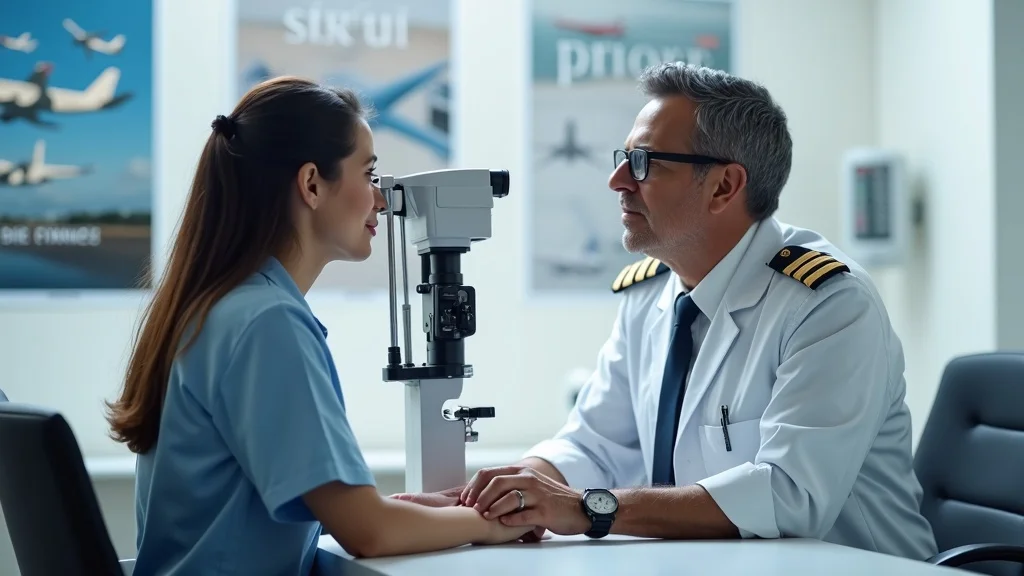
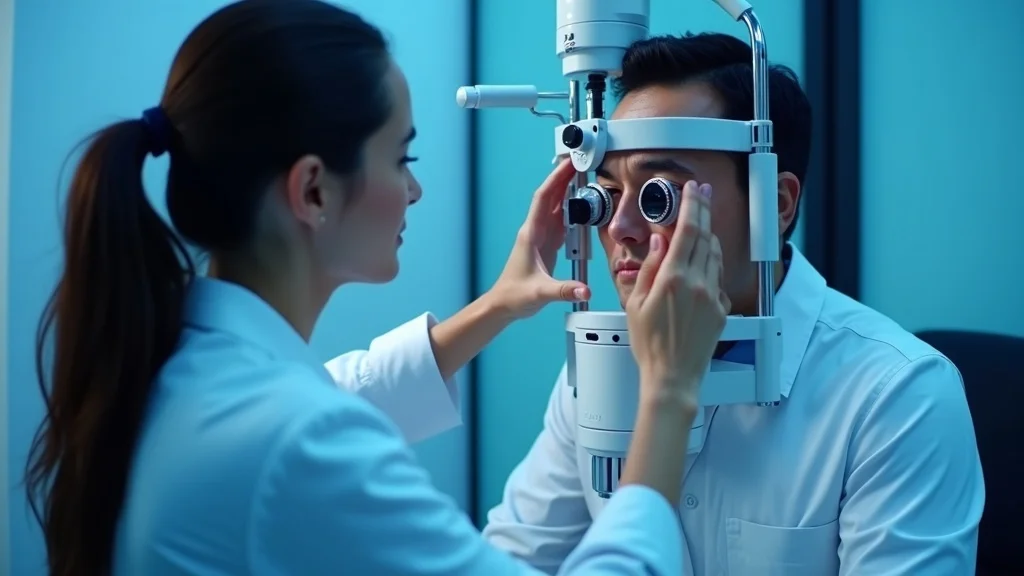
For South Perth pilots, the CASA aviation eye exam is not just a bureaucratic hurdle—it's the gold standard that separates routine vision checks from the specialized scrutiny required for safe, licensed flight. According to Matthew Gregory, Future Vision, the difference lies in the depth and scope of the testing. While a typical optometrist visit might check your prescription and general eye health, a CASA exam goes several steps further. It analyses how your eyes work together, evaluates depth perception critical for judging distances mid-flight, and assesses your peripheral vision, which is vital for situational awareness in the cockpit.
This rigorous assessment means pilots must meet stringent standards—not just for clear vision, but for comprehensive ocular health that meets aviation-specific safety protocols. Gregory emphasizes that the CASA aviation eye exam includes assessments simply not found in routine eye appointments, such as color vision tests for distinguishing cockpit indicators and early identification of eye conditions that could jeopardize a pilot's eligibility. This adaptation of optometric assessment directly supports public safety and reliability in aviation.
"The CASA eye test is special compared to regular eye tests because it includes specific vision and eye health assessments required to hold a pilot license—regular eye exams just don’t cover these." — Matthew Gregory, Future Vision
Understanding CASA Accreditation and Its Critical Importance

CASA-accredited optometrists are a rare and essential breed—especially in regional and even some metropolitan areas like South Perth. As highlighted by Matthew Gregory, not every optometrist can conduct these high-level exams due to the additional training, certification, and ongoing compliance required by CASA. Gregory’s insight underscores that only specifically credentialed professionals are authorized to perform CASA aviation eye exams. They understand the life-and-death nuance of vision standards required for safe flight—making their role critical in the aviation medical pathway.
Importantly, pilots must verify an optometrist’s CASA status well before booking, as falling short can mean repeating the process or, worse, jeopardizing one's licensing timeline. According to Gregory, most major cities have only a handful of such professionals. Proactively confirming this accreditation is a non-negotiable step for both first-timers and those seeking recertification, ensuring they meet regulatory expectations without costly delays.
"Not many optometrists are CASA certified; major cities only have a handful. It's crucial pilots verify their optometrist’s CASA accreditation before booking." — Matthew Gregory, Future Vision
Essential Preparation: What South Perth Pilots Must Bring to CASA Eye Exams
Preparing for a CASA aviation eye exam demands more than just showing up—it requires strategic documentation and thorough organization. The exam process is structured not just for clinical assessment but for ensuring legal and procedural compliance with CASA’s licensing mandates. According to Matthew Gregory, being prepared with the right forms and identification is as crucial as the examination itself.
The paperwork requirements can vary depending on an individual’s licensing pathway, recertification cycle, or whether it's the first or a follow-up exam. Identification such as a government-issued photo ID and recent medical examination reports are standard, but other documents may be necessary depending on the case or organization. Gregory strongly recommends pilots clarify these requirements by checking with their aviation organization and directly contacting the CASA-accredited optometry practice ahead of time.
Verifying ID and Documentation Requirements for CASA Exams

For busy South Perth pilots, missing a critical document can mean delaying your CASA aviation eye exam, disrupting professional commitments, and causing regulatory headaches. Gregory recommends a simple but powerful practice: always call your pilot organization or chosen accredited optometry clinic in advance to ask exactly what you need. This small step can prevent last-minute surprises and keep your licensing process on track.
Most commonly, Australian government-issued identification and official CASA forms are required, but, as Gregory points out, preparation can differ for each individual's specific scenario or licensure renewal. Some organizations might require additional medical documentation or previous exam results. Ensuring your checklist is complete not only demonstrates professionalism but expedites your certification, keeping you focused on your career, not bureaucracy.
"Pilots should contact their pilot organization or the accredited practice directly to confirm the ID and forms they need to bring since requirements can vary." — Matthew Gregory, Future Vision
Key Takeaways: Embracing the CASA Aviation Eye Exam Process for Safety
At its core, the CASA aviation eye exam is designed to protect not just pilots themselves but also passengers and the community at large. Gregory highlights that respecting the process—especially its rigorous testing and the judgment of the highly trained optometrist—is essential for everyone’s safety. For pilots, passing the exam means they are visually fit to navigate complex skies, while for the public, it establishes trust in the regulatory system that keeps air travel safe and reliable.
Sometimes the exam may reveal the need for corrective eyewear, or in rare cases, temporary grounding to address an eye health concern. Gregory stresses that approaching the exam with an open mind helps pilots accept outcomes not as personal setbacks but as critical checks on their professional fitness and responsibility to the broader community.
Respecting the Exam’s Rigorous Testing & Optometrist Expertise
"The CASA exam isn’t just another appointment—it’s a checkpoint for the standards that keep our skies safe," Gregory asserts. CASA-accredited optometrists bring specialized knowledge, ongoing training, and a duty of care that extends well beyond the typical consult. Gregory's view is clear: pilots must go in ready to comply fully with the testing process and respect outcomes—even if that means adapting to corrective recommendations.
According to Gregory, the optometrist’s opinion is grounded in years of additional education and real-world experience in aviation health. Pilots who trust this expertise are not only meeting regulatory demands but safeguarding their own future in aviation and the well-being of those who fly with them.
"It’s important pilots respect the additional testing and the optometrist’s opinion; sometimes glasses or even grounding may be required—all to ensure safety for pilots and the public." — Matthew Gregory, Future Vision
Maintaining a Safety-First Mentality in CASA Vision Assessments
Gregory emphasises that a safety-first mindset is paramount—pilots are entrusted with lives, and the integrity of every visual detail matters in flight. Even minor undetected impairments could trigger disastrous consequences. The CASA exam is essentially a partnership: the pilot brings honesty and preparation, while the optometrist delivers expertise and advanced assessments from Future Vision’s leading-edge diagnostic technology.
Approaching the CASA vision process with composure and respect underscores a pilot’s commitment to their profession. Even if the outcome is unexpected, Gregory notes that each recommendation from a CASA-accredited optometrist is ultimately about ensuring every cockpit is as safe as possible for both pilots and the community.
CASA aviation eye exams require specialized vision tests beyond routine checkups.
Only CASA-accredited optometrists in select locations can conduct these exams.
Pilots must proactively confirm ID and forms needed for their specific exam.
The exam prioritizes safety, sometimes requiring corrective eyewear or pilot grounding.
Frequently Asked Questions About CASA Aviation Eye Exams
What differentiates CASA aviation eye exams from standard eye tests?
CASA exams involve specialized assessments—like depth perception and color vision checks—that directly relate to piloting safety and aren’t included in most routine optometry visits.Where can I find CASA-certified optometrists in South Perth?
According to Matthew Gregory, availability is limited. Use CASA’s official online directory or ask local aviation medical examiners for a trusted referral in your region.What documentation should I bring to my CASA eye exam?
Requirements vary; confirm with your pilot organization or the CASA-accredited clinic beforehand, but plan on bringing government-issued ID, CASA forms, and any related medical paperwork.How often are CASA aviation eye exams required for license renewal?
Frequency depends on license type, age, and health status, but typically ranges from annual to biennial reviews for most commercial pilots.What are the consequences if I don’t meet CASA vision standards?
Failure may necessitate corrective eyewear, further assessment, or, in rare cases, may result in suspension until standards are met—always guided by safety imperatives.
Summary: Your CASA Aviation Eye Exam—A Commitment to Safety and Compliance
CASA aviation eye exams are a vital step for any pilot in South Perth to ensure flight safety.
Engage only with CASA-accredited optometrists and confirm preparation requirements.
Approach exams with a safety mindset respecting the expertise involved.

Take Action Today: Schedule Your Bulk-Billed CASA Aviation Eye Exam
For South Perth pilots, prioritising your CASA aviation eye exam isn’t just about compliance—it’s a statement of commitment to every life you’ll ever carry aloft. Matthew Gregory and the team at Future Vision encourage you to take the next step: confirm your optometrist’s CASA accreditation, clarify your document checklist, and embrace the process that keeps your flying career—and our skies—safe.
Ready to book your bulk-billed, fully accredited examination or call (08) 9367 4726 today from South Perth’s leading preferred provider optometrist at Future Vision.
Future Vision stands ready to guide you through this critical journey with the technical skill, compassion, and experience trusted by pilots and the broader aviation community since 1984.


Write A Comment