Absolute Local Blog
update

[Company Name]

update
  • Homepage
  • Subscribe
  • Contact Us
  • Categories
  • All Posts
  • Reputation Marketing
  • Search Engine Optimisation (SEO)
  • Web Design
  • Content Marketing
  • Social Media Marketing
  • Video Marketing
  • Digital Marketing
  • Email Marketing
  • News & Local Updates
April 22.2026
1 Minute Read

Understanding Optical Coherence Tomography (OCT) Eye Scans and Their Benefits

OCT eye scan device used by optometrist in modern clinic with 3D retinal image displayed on monitor, emphasizing advanced diagnostic technology.

Matthew Gregory’s Core Insight: Why OCT Eye Scans Are Game-Changers in Eye Care

When it comes to safeguarding our vision, the right diagnostic technology can mean the difference between early intervention and irreversible loss. Matthew Gregory of Future Vision, an authority in comprehensive eye care since 1984, emphasizes that too few patients and even some healthcare providers truly grasp the pivotal role OCT eye scans play. Many believe these scans are little more than a routine photograph, perhaps a basic snapshot in the expanding diagnostic toolkit of optometry. But, as Matthew Gregory’s decades of expertise reveal, this misconception could leave sight-threatening conditions undetected until visual symptoms are finally undeniable—and often, too late to reverse.

With the advent of OCT eye scans, the field of eye care has experienced a major technological leap. Unlike standard retina photography, OCT technology creates three-dimensional cross-sections of the retina, allowing clinicians to distinguish individual retinal layers—where tell-tale signs of disease are often first visible. According to Matthew Gregory, this depth of detail powers confident, early diagnoses, helping healthcare professionals not only see what is wrong, but exactly where and how intervention can change a patient’s vision trajectory. The impact is profound for patients and health professionals alike, unlocking a new era of personalized, preventive, and precise eye care.

As Matthew Gregory, of Future Vision, explains: "Many think an OCT eye scan is just a photo of the retina, but it’s actually a detailed 3D cross-section that reveals each individual retinal layer, enabling more confident and earlier diagnosis."

The Critical Role of OCT Eye Scans in Detecting Common and Serious Eye Diseases

At the heart of Future Vision’s clinical excellence is a commitment to early detection—an ethos supercharged by the routine use of OCT eye scans. According to Matthew Gregory, the value of these scans is most striking in diseases that develop silently, often escaping detection in their earliest, most treatable stages. Glaucoma, often called “the sneak thief of sight,” affects millions worldwide, and, remarkably, approximately half of those with glaucoma have no idea they’re affected. This silent progression is exactly why Matthew Gregory considers the widespread adoption of OCT technology in primary care optometry and allied specialties not just an advantage, but a necessity.

With the population aging and chronic conditions like diabetes on the rise, the pressure to identify and manage eye disease before irreversible harm occurs has never been greater. OCT empowers practitioners to pick up subtle, pre-symptomatic changes—such as thinning of the nerve fibers in glaucoma, retinal swelling in diabetes, or the earliest markers of age-related macular degeneration. Gregory’s approach is clear: integrating OCT into regular practice isn’t just about adopting a new gadget; it is about fundamentally transforming eye health outcomes by catching disease where intervention is most powerful—at the very beginning.

As Matthew Gregory, of Future Vision, puts it: "Glaucoma affects many silently, with about 50% undiagnosed; OCT helps us find those cases early, ensuring timely treatment before irreversible damage occurs."

How OCT Advances Diagnosis of Glaucoma, Diabetic Eye Disease, and Macular Degeneration

  • Glaucoma: Detects nerve fiber layer thinning invisible through standard exam
  • Diabetic Macular Edema: Identifies subtle swelling affecting vision needing urgent care
  • Age-related Macular Degeneration: Monitors early changes for prompt intervention
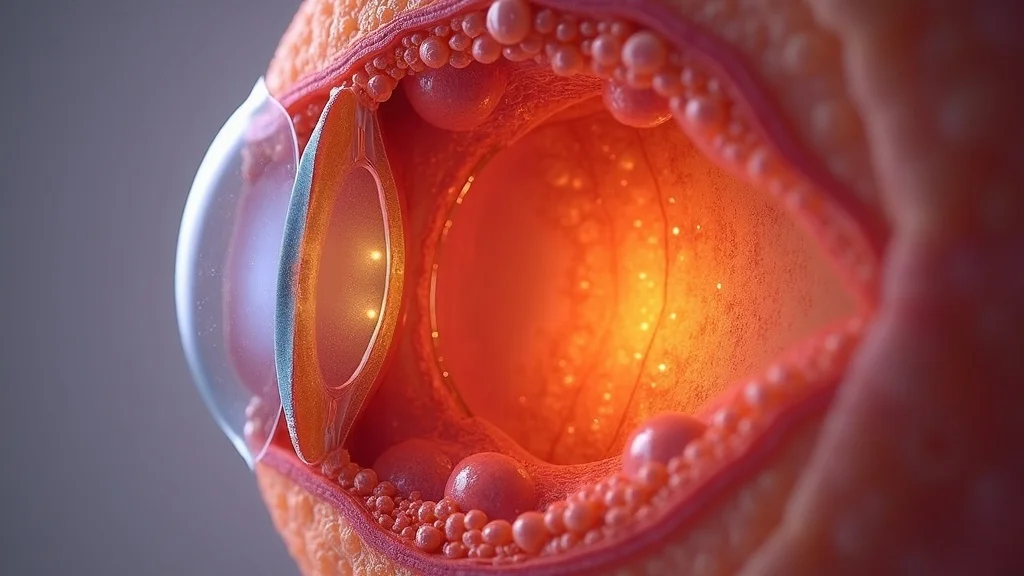
High-resolution OCT scan showing detailed retinal cross-section with highlighted abnormalities - an essential tool for diagnosing glaucoma and diabetic macular edema.

Matthew Gregory shares firsthand accounts that underscore the diagnostic precision of OCT eye scans. Imagine a patient arriving with what appears to be a healthy optic nerve—by all visible signs, their eyes seem in excellent condition. Yet, the OCT scan quietly tells a different story, uncovering nerve fiber loss that signals the onset of glaucoma long before standard tests would raise alarms. Or consider the diabetic patient reporting periodic blurry vision, initially attributed to fluctuations in blood sugar. The OCT quickly pinpoints subtle, yet vision-threatening, macular swelling that demands urgent referral and tailored intervention. These are not just medical “findings”—they are life-changing moments where proactive technology bridges the gap between uncertainty and confident, early treatment.

As Matthew Gregory, of Future Vision, shares: "Patients come in with healthy-looking optic nerves, but the OCT reveals dying nerve density or hidden diabetic macular edema, changing their care entirely."

Demystifying OCT: What Patients and Healthcare Providers Must Know

Despite its transformative capabilities, OCT eye scan technology remains misunderstood—even among some experienced healthcare professionals and patients. According to Matthew Gregory, the most persistent myths are that OCT scans are akin to simple photographs, that they’re prohibitively expensive, or are unnecessary unless vision loss has already begun. This misunderstanding can deter both practitioners from recommending, and patients from requesting, an exam that could change—or save—their vision. Matthew Gregory stresses the need for both clinicians and wellness coordinators to be proactive in dispelling these myths and normalizing OCT as a standard part of preventive care.

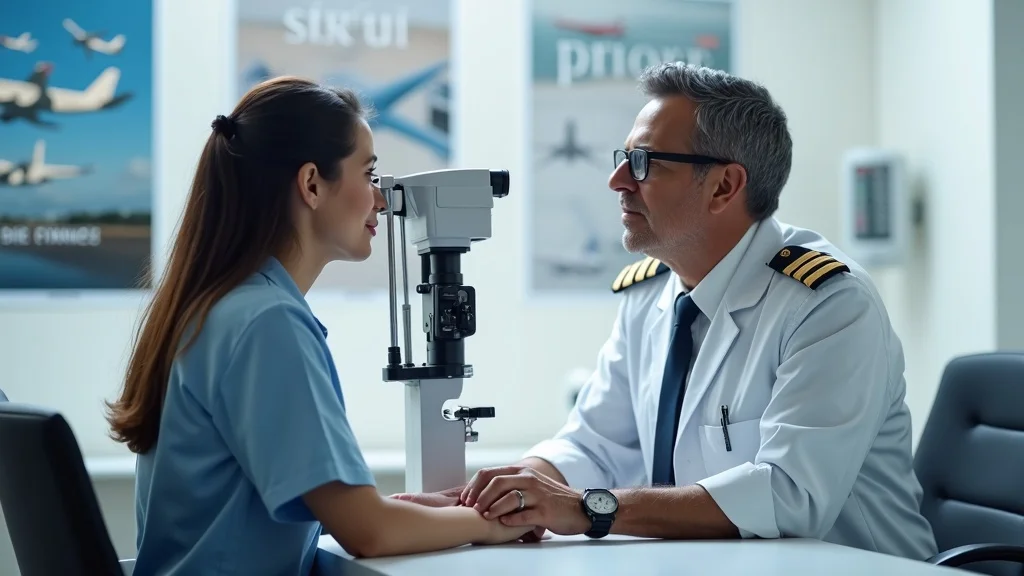
Education is equally crucial for clinic leadership, insurance case managers, and even aviation medical examiners—any role tasked with managing risk in vision health. The real-world benefits of OCT eye scans are unlocked only when everyone along the referral and care pathway recognizes when and why to use this technology, and how it can reshape routine vision health into proactive, life-long preservation of sight.

Common Misconceptions About OCT Eye Scans

  1. It's just a 2D photo of the retina
  2. It’s expensive and not routinely necessary
  3. It only benefits patients with existing vision problems

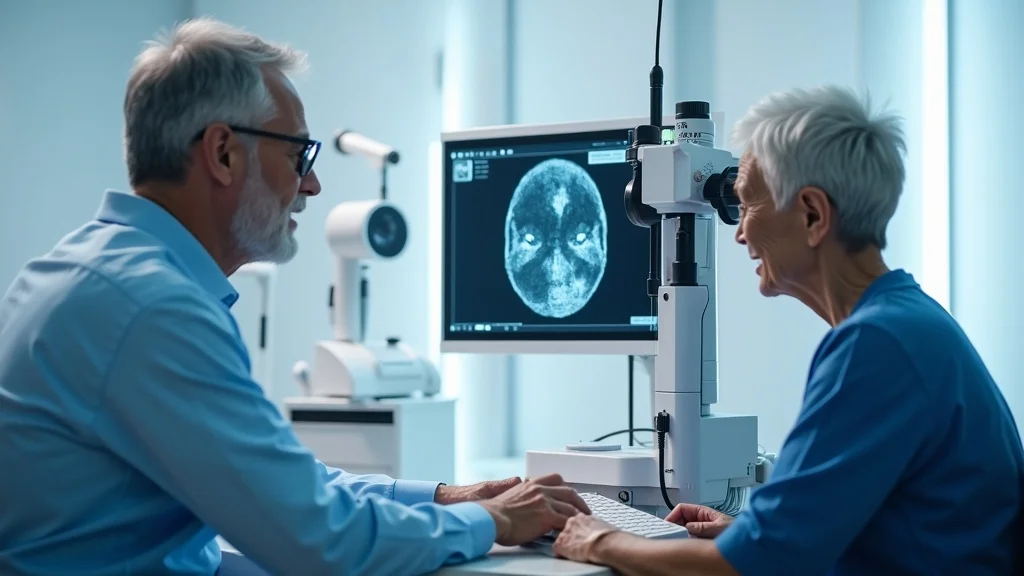
Optometry clinic waiting area with patients engaging with educational OCT scan displays, highlighting routine education and accessibility of advanced eye care technology.

Why Regular OCT Screening Is Essential Even for Asymptomatic Patients

  • Often detects disease before symptoms develop
  • Facilitates early intervention that preserves vision
  • Recommended especially for patients with family history or systemic conditions like diabetes

Multi-generational family in bright living room, smiling and holding an eye care booklet, emphasizing preventative eye health and importance of routine OCT eye scans.

Matthew Gregory strongly encourages both preventive and responsive use of the OCT eye scan, noting that many eye diseases—especially those linked to family history or systemic factors like diabetes—develop insidiously. Early signs detectable only by OCT often emerge before any symptoms alert patients to changes in vision. Even in the absence of symptoms, regular screening, particularly for at-risk groups, enables interventions that can prevent lasting vision loss. According to Gregory, every health provider should educate patients about the “silent progression” of these conditions, making regular OCT scans not just a privilege for the currently unwell, but a cornerstone of true vision wellness for all ages.

Incorporating OCT Eye Scans Into Your Practice: Practical Guidance

  • Ask patients proactively if they've had an OCT scan
  • Offer OCT scans periodically, especially when new symptoms arise
  • Leverage technology to enhance diagnostic confidence and patient education
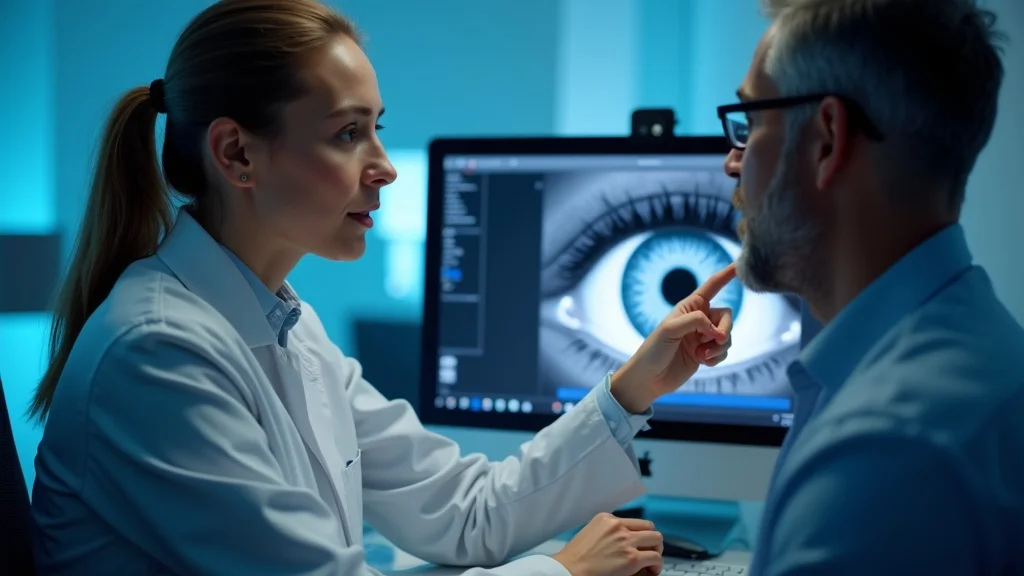
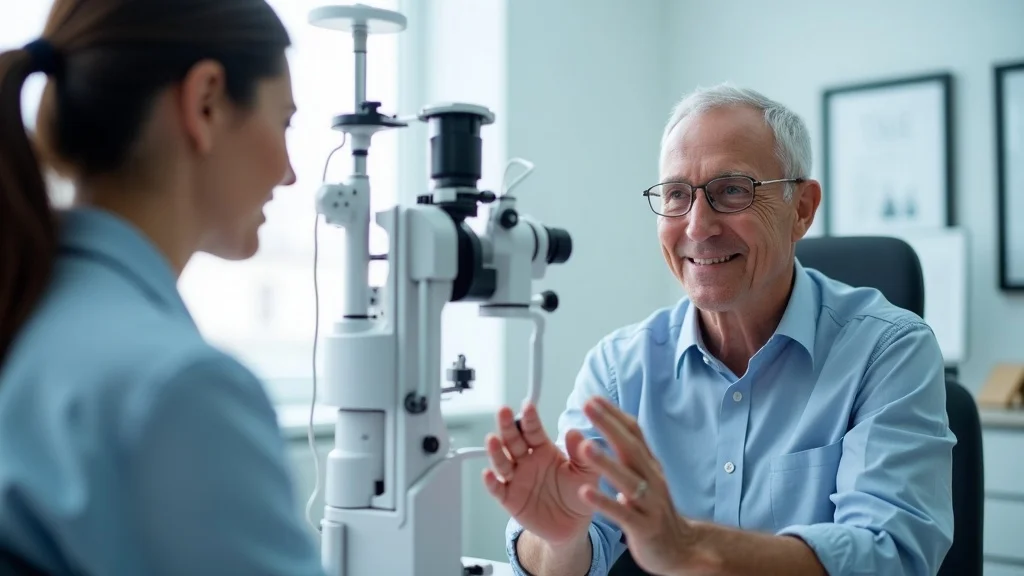
Optometrist and patient reviewing detailed 3D OCT eye scan results in clinical consultation room, demonstrating advanced diagnostic consultation.

Whether you’re managing a medical clinic, a corporate wellness initiative, or a general practice, integrating OCT eye scans into your patient journey transforms not only clinical outcomes but also the patient experience. Matthew Gregory recommends that healthcare providers proactively discuss OCT with all patients, especially when patients present with new eye symptoms or risk factors such as new family diagnoses or systemic disease. For optometry practice referrers, establishing a clear protocol for when and how to refer for OCT eye scans ensures no opportunity for early detection is missed.

Beyond diagnostics, Gregory emphasizes the value of OCT eye scan technology in patient education: the 3D images generated serve as powerful tools to visually explain both the health and subtle disease changes to patients, driving engagement and adherence with care plans. As the technology becomes increasingly accessible and more cost-effective, clinics that leverage OCT are best equipped to provide cutting-edge, patient-centered care. The message from Future Vision’s decades-long commitment to technology-led eye health is clear: the sooner you start, the more vision you save.

Key Takeaway: Make OCT Eye Scans a Routine Part of Vision Health Management

As Matthew Gregory, of Future Vision, advises: "Always ask your optometrist about OCT scans; they’re often affordable or free, and doing one even occasionally can be life-changing for your eyesight."

Summary and Next Steps for Healthcare Providers and Wellness Coordinators

  • Understand the transformative diagnostic power of OCT
  • Integrate OCT referrals into regular patient care pathways
  • Educate patients on the critical benefits of OCT screening

Schedule a Bulk Bill Eye Test with Future Vision Today

Exterior of Future Vision eye clinic in South Perth welcoming patients, highlighting ease of access to comprehensive eye health and OCT scan services.
  • Call (08) 9367 4726 or book online at https://www.futurevision.net.au/book-online
  • Experience expert care from South Perth’s trusted Future Vision Optometrists
  • Get access to state-of-the-art OCT eye scans and comprehensive eye health services
News & Local Updates

0 Views

0 Comments

Write A Comment

*
*
Please complete the captcha to submit your comment.
Related Posts All Posts
04.15.2026

The Benefits of Overnight Vision Correction with Orthokeratology Contact Lenses for Myopia Control

Matthew Gregory’s Expert Insight: Why Overnight Vision Correction is a Game-Changer for Myopia Control Overnight vision correction via orthokeratology contact lenses represents a true breakthrough in the management of myopia, particularly for pediatric patients and their families seeking practical solutions that integrate seamlessly with daily life. According to Matthew Gregory of Future Vision, many traditional pathways for myopia control—such as daytime glasses or contacts—can present real-world obstacles, from children’s comfort to compliance struggles. Gregory emphasizes that overnight vision correction uniquely empowers patients to enjoy a full day free of glasses or contacts, delivering clear vision alongside the critical therapeutic value of myopia progression control. Orthokeratology isn’t just about comfort or convenience—it delivers proven therapeutic benefits that actively control myopia progression while letting patients live glasses-free during the day. — Matthew Gregory, Future Vision Gregory’s approach is underscored by Future Vision’s community legacy: drawing upon advanced technologies and a deep tradition of patient-centered care, their team ensures every orthokeratology solution is tailored, safe, and effective. Especially for families navigating pediatric myopia, the possibility of correcting vision overnight while the patient sleeps eliminates compliance worries and elevates lifestyle satisfaction for both children and parents. For healthcare coordinators, medical clinic managers, and referring professionals, this innovation opens new avenues for supporting sustainable, long-term eye health outcomes—blending cutting-edge science with real-world practicalities. Bridging Therapy and Lifestyle: Practical Benefits for Patients and Parents Orthokeratology is purpose-built to resolve the two major sticking points for myopia management in children and adults: continuous therapeutic effect and lifestyle freedom. As Matthew Gregory explains, a core attraction is the ability for patients to experience comfortable, glasses-free vision throughout the day—without the hassle or self-consciousness of daytime contacts. This is particularly vital for children, who often find contact lenses uncomfortable or difficult to manage while active or at school. Many parents worry their children can’t handle daytime contact lenses, but overnight orthokeratology removes that barrier while ensuring effective myopia treatment. — Matthew Gregory, Future Vision Gregory’s professional experience reveals how overnight vision correction directly addresses the concerns of parents who question whether their child can cope with daily lens routines. By shifting the treatment to nighttime, where the lens is inserted before sleep and removed upon waking, children remain free from discomfort during their waking hours. This model not only enhances compliance but also reduces parental stress—knowing their children’s myopia is being managed actively, yet unobtrusively. Some families even notice an increased enthusiasm in their children’s day-to-day activities thanks to the absence of physical or cosmetic barriers, reinforcing the holistic value of orthokeratology in pediatric care. Therapeutic myopia control through corneal reshaping Cosmetic freedom without daytime glasses or contacts Comfort advantage by eliminating daytime contact lens wear Improved compliance and satisfaction among pediatric patients Clinical Precision: How Future Vision Ensures Effective Orthokeratology Wear At Future Vision, delivering exceptional outcomes with overnight vision correction begins with leveraging advanced diagnostic technologies and clinical expertise. According to Matthew Gregory, the use of corneal topography is a central pillar in ensuring both the safety and effectiveness of every orthokeratology lens. The practice meticulously tailors each lens to the unique corneal shape and needs of the patient—optimizing therapeutic performance while minimizing risk. With advanced corneal topography and personalized fitting, we ensure each orthokeratology lens offers both safety and efficacy tailored to individual eye profiles. — Matthew Gregory, Future Vision This commitment to precision allows Future Vision to confidently address a spectrum of patient profiles, including complex corneal shapes and challenging pediatric cases. Gregory points out that the combination of hands-on experience, robust data from topography, and ongoing follow-ups forms the backbone of their patient management protocol. The result? Maximum clinical benefit for myopia control, matched with high patient satisfaction and long-term safety. For medical professionals and referring clinics, partnering with such specialized practices fosters confidence in the continuity and outcome quality of their patients' overnight vision correction journey. Addressing Common Misconceptions About Overnight Vision Correction Myth: Orthokeratology is only for vision correction, not myopia control Fact: It provides significant therapeutic benefits slowing myopia progression Myth: Contacts worn overnight can't be safe or comfortable Fact: Proper fitting and advanced technology mitigate risks and maximize comfort Despite mounting evidence and decades of positive outcomes, overnight vision correction persists as a topic clouded by misconceptions among patients and occasionally among healthcare providers. Matthew Gregory underscores the crucial distinction: orthokeratology is not merely a cosmetic fix; it is a therapeutic medical device scientifically validated for pediatric myopia control, significantly slowing the rate of progression and reducing long-term vision risks. Another persistent myth addresses safety and comfort—specifically, concerns around wearing lenses overnight. Gregory stresses that with state-of-the-art fitting technology, robust hygiene education, and modern lens materials, risks such as infection or discomfort are dramatically reduced. His approach at Future Vision combines cutting-edge corneal mapping with vigilant aftercare to foster consistent, safe results even for very young patients. For clinic managers and referring professionals, staying informed about the clinical realities of orthokeratology is key to offering advanced, evidence-based options to families seeking more than standard vision correction. Key Takeaways for Healthcare Providers and Medical Professionals Overnight vision correction via orthokeratology offers a dual benefit of therapy and lifestyle ease. It enhances pediatric patient compliance by removing daytime contact concerns. Specialized clinics, like Future Vision, utilize high-tech diagnostics to optimize lens fitting and outcomes. For those guiding clinical protocols, managing group practices, or supporting corporate and aviation eye health, the practical and therapeutic advantages of overnight vision correction cannot be overstated. According to Matthew Gregory, championing this model enhances both patient compliance and treatment efficacy—particularly in pediatric myopia management, where the stakes include lifelong eye health. Clinics equipped with advanced diagnostics such as corneal topographers can offer highly personalized care, ensuring that each orthokeratology lens aligns with the patient’s anatomical and lifestyle requirements. This synergy between medical rigor and patient-centered convenience enables providers to raise the standard of care across broad community, occupational, and pediatric populations. Empowering Your Patients: Integrating Overnight Vision Correction into Myopia Management Plans Educate patients and parents on the safety and efficacy of orthokeratology. Highlight cosmetic and comfort advantages to improve acceptance. Coordinate with specialized eye care providers for personalized fitting and monitoring. Incorporating overnight vision correction into your myopia management offerings requires a multifaceted approach. Gregory recommends that practitioners stay proactive—regularly dispelling myths, discussing both short- and long-term benefits, and demystifying the process for children, parents, and adult patients alike. By emphasizing both the medical therapy and the day-to-day freedom orthokeratology enables, providers can drive greater acceptance and compliance. Coordination with specialized optometric clinics, such as Future Vision, is critical for success. These partnerships ensure access to advanced fitting technologies and comprehensive patient support—delivering not just superior outcomes, but also peace of mind for referrers and recipients. As public awareness of myopia risks grows, professionals who understand and champion effective preventive options will remain at the forefront of excellence in modern eye health. Conclusion: Why Overnight Vision Correction is Essential in Modern Myopia Control Orthokeratology keeps children happy and parents reassured, all while delivering critical myopia control benefits in a convenient, lifestyle-friendly way. — Matthew Gregory, Future Vision In today’s landscape of escalating myopia rates, especially among digitally engaged children and young adults, timely intervention matters. Overnight vision correction with orthokeratology does more than meet the needs of the present—it paves a path to healthier, clearer futures by integrating evidence-based therapy with genuine ease of living. Healthcare teams, case managers, and optometric leaders who recognize and facilitate this form of customized care deliver not just vision correction, but long-term well-being and fulfillment for their patients and communities. Take the Next Step: Expert Eye Care Solutions from Future Vision Access cutting-edge orthokeratology fitting technologies Benefit from decades of trusted eye care expertise Provide patients with a proven, night-time vision correction alternative that safeguards eye health To learn more or to coordinate advanced overnight vision correction care for your patients, connect with the team at Future Vision—your partners in pioneering the next generation of myopia control.

04.08.2026

Myopia Management Strategies: How South Perth Optometrists Are Slowing Childhood Vision Loss

Matthew Gregory's Urgent Call: Why Myopia Management Matters More Than Ever Vision loss in children is on the rise, presenting a new set of challenges for healthcare providers, clinic managers, and those responsible for preventative health initiatives. In the heart of South Perth, experts at Future Vision are witnessing—and actively addressing—the alarming acceleration of childhood myopia. Myopia management has never been more crucial, given the compounding effects of digital lifestyles and increased educational demands. Matthew Gregory, of Future Vision Optometrists, brings a frontline clinician’s perspective to this urgent issue. Drawing on a legacy established in 1984, Gregory and his team combine decades of community-dedicated service with state-of-the-art diagnostics and tailored care. “Myopia is increasing rapidly, driven by more screen time and near work, and unchecked progression can lead to severe eye diseases later in life. ” "Myopia is increasing rapidly, driven by more screen time and near work, and unchecked progression can lead to severe eye diseases later in life." — Matthew Gregory, Future Vision Proven Myopia Management Strategies Used in South Perth In clinics like Future Vision, optometrists utilize a multi-pronged approach to slow the progression of childhood myopia. Gregory emphasizes that effective myopia management is neither passive nor one-size-fits-all—it’s an active collaboration between practitioner, patient, and family. Let’s explore the tools and tactics currently delivering results in South Perth. The cornerstone? Education. “The most important initial step is teaching families about visual hygiene—encouraging more time outdoors and less recreational screen time,” shares Gregory. But beyond lifestyle, South Perth’s optometrists now leverage advanced optical treatments to alter the eye’s growth, actively slowing myopia’s march. Visual Hygiene: Outdoor Time and Screen Breaks According to Gregory, the simplest but most powerful advice begins outside the clinic walls: more sunlight and less non-essential screen time. Both research and real-world clinical experience show that children who spend additional hours outdoors, especially in bright, natural light, experience slower myopia progression. Outside time aids healthy eye growth, while excessive close-up work—particularly with digital devices not related to schoolwork—accelerates it. Gregory’s approach centers on making eye health accessible for families: “Education about increasing outdoor sun exposure and reducing excessive non-educational screen time is foundational in slowing myopia progression. ” This focus enables parents to make incremental daily changes with outsize, long-term benefits for their children. "Education about increasing outdoor sun exposure and reducing excessive non-educational screen time is foundational in slowing myopia progression." — Matthew Gregory Innovative Optical Treatments: Meosmart Glasses and Specialized Contact Lenses When environmental changes aren’t enough—or when a child is at higher risk due to genetic or lifestyle factors—advanced myopia control treatments step in. Gregory highlights Meosmart glasses, cutting-edge soft contact lenses, and orthokeratology lenses as game-changers in the fight against childhood myopia acceleration. These options are more than corrective—they actively alter how light is focused onto the retina, which in turn influences eye growth. Implemented under expert supervision, these specialized lenses can significantly slow myopia’s progression in children already affected by the condition. Meosmart Glasses: Activating Eye Growth Pathways Meosmart glasses represent one of the latest advances in myopia management. They work by gently encouraging the eye to grow in a healthier pattern, reducing the rate at which myopia increases. Gregory describes their role as “activating the eye’s growth pathways in a way that reduces the speed of myopia development while maintaining clear vision for school and daily life. ” This technology empowers clinicians to do more than simply correct vision—it enables active management of future risk. According to industry studies and supporting evidence, these glasses are particularly useful for younger children and those in the initial stages of myopia, amplifying the effect of environmental modifications such as increased time outdoors. Soft Contact Lenses and Orthokeratology: Effective Myopia Control For many families, soft daily disposable contact lenses designed for myopia control offer a convenient, proven solution. These lenses gently reshape the light’s focus on the retina, helping to slow the axial elongation of the eye—the root cause of myopia’s worsening. Particularly for active children or those preferring glasses-free vision, contact lens options can integrate seamlessly into their routines. Orthokeratology (Ortho-K), in which specially designed hard lenses are worn overnight to reshape the cornea temporarily, provides another highly effective strategy. Gregory explains that Ortho-K is “a powerful tool for both correcting vision by day and slowing myopia progression overnight—especially beneficial for motivated families and children engaged in sports or activities where daytime lenses are less practical. ” Key Insights on Managing Childhood Myopia Effectively According to Matthew Gregory, the key to long-term vision health is both early intervention and realistic expectations. The majority of myopia management plans hinge on two principles: regular monitoring and individualized strategies. The expert’s perspective is that staying vigilant through regular eye exams—ideally every 1 to 2 years—enables clinicians to adjust interventions as needed and catch progression before it can contribute to more serious retinal or optic nerve compromise. "Regular eye exams every 1 to 2 years are critical. Following your optometrist’s myopia control recommendations can significantly reduce progression and long-term risks." — Matthew Gregory Setting Realistic Expectations: Myopia Control vs. Cure Gregory is careful to manage parent and provider expectations: “Myopia control strategies help reduce progression but do not cure or reverse myopia. ” He warns against miracle claims, reminding families that current technology controls worsening but cannot yet eradicate the condition. That said, every point of reduction—no matter how small—is meaningful. “Even it can be disheartening if your child already has myopia…reducing that risk is still very important and very beneficial to your child's long term eye health,” Gregory notes. For providers and parents alike, this underscores the long-term health rationale behind consistent management, early intervention, and adherence to custom plans. Myopia control strategies help reduce progression but do not cure or reverse myopia. Even if myopia is already present, reducing its progression lowers the risk of serious eye diseases. Consistent follow-up and adherence to management plans are essential for effective outcomes. Enhancing Eye Health Outcomes with Future Vision's Expertise The Future Vision team leverages advanced diagnostic tools—such as retinal imaging and Optical Coherence Tomography (OCT) scans—to detect subtle changes in the retina and monitor myopia progression with unprecedented precision. This technology allows for early detection of changes that may increase a child’s risk profile, enabling timely adjustments to management strategies. Beyond technology, Gregory emphasizes individualized plans. “No two children are alike, and neither are their eyes. Personalized management ensures every child benefits from strategies tailored to their risk, lifestyle, and clinical history,” he shares. The practice also offers specialized lens fitting, including for orthokeratology and complex corneal diseases, embodying a uniquely comprehensive approach to pediatric eye care in South Perth. Advanced Diagnostic Tools for Early Detection and Monitoring Digital diagnostics are at the heart of modern myopia management. Retinal imaging, corneal topography, and OCT enable Future Vision to catch issues invisible during routine exams, empowering optometrists to personalize every child’s care trajectory and benchmark the impact of ongoing interventions. These technological capabilities, paired with the practice’s experience in myopia-related disorders and credentialed specialty eye exams, set Future Vision apart as a leader in the field and a reliable partner for families, generalist providers, and referral sources across South Perth and beyond. Personalized Myopia Management Tailored to Each Child’s Needs While best practices inform the framework for myopia management, each intervention must suit the individual child. Gregory and his team review each patient’s risk factors such as family history, lifestyle, and current eye health profile before recommending a management plan. This personalized approach builds trust and engagement, resulting in higher compliance and better outcomes. By supporting both the child’s and the family’s understanding throughout the process, Future Vision ensures each step taken is both evidence-based and achievable in daily family life. Common Myopia Myths Debunked and Practical Tips for Parents Myth: Myopia can be cured with glasses alone. Truth: Glasses correct vision but specialized strategies are needed to slow progression. Tip: Encourage outdoor activity and limit recreational screen time. Tip: Schedule regular eye check-ups following expert advice. Summary: The Path Forward in Myopia Management for Safer Childhood Vision Looking ahead, the goal of every myopia management plan is clear: reduce progression early to prevent vision-threatening complications. A collaborative effort between parents, healthcare professionals, and optometry specialists like those at Future Vision can truly shift the outlook for South Perth’s youngest patients. Gregory’s experience brings hope and clarity: “The goal is to reduce myopia progression early to prevent future vision-threatening complications and ensure long-term eye health. ” For all stakeholders—from clinic managers to concerned parents—the message is consistent: early intervention and expert guidance will safeguard the future of childhood vision. "The goal is to reduce myopia progression early to prevent future vision-threatening complications and ensure long-term eye health." — Matthew Gregory Take Action for Your Child’s Eye Health Today Book regular comprehensive eye exams. Ask your optometrist about personalized myopia management strategies. Stay informed and proactive – early intervention is vital. Are you ready to protect the future of your child’s sight? Contact Future Vision in South Perth today to discuss the most effective myopia management strategies tailored to your needs, and make early prevention your child’s advantage.

04.01.2026

Leveraging Retinal Imaging Services for Early Detection of Diabetic Eye Disease in South Perth

Why Retinal Imaging Services Are Vital for Early Detection in South Perth “Retinal imaging is less about diagnosing diabetes itself and more about detecting the damage caused by long-term diabetes.” – Matthew Gregory, Future Vision For healthcare providers and medical managers across South Perth, the importance of a robust retinal imaging service has never been more pronounced. As diabetes rates continue to climb—fueled by lifestyle shifts and delayed diagnosis—the silent progression of diabetic eye disease poses a mounting threat to community health. Matthew Gregory of Future Vision sheds light on a crucial misconception: many patients believe diabetes is routinely caught during eye checks, when in reality, retinal imaging is designed to detect the cumulative impact of long-term diabetes rather than diagnose the condition itself. The expert perspective, deeply rooted in years of clinical experience at Future Vision Optometrists, underscores that retinal damage occurs over decades, often before noticeable symptoms emerge. In South Perth’s diverse community, timely intervention is vital—especially for patients at high risk or those with longstanding diabetes. Retinal imaging services stand as an essential frontline tool, empowering practitioners to identify early disease indicators and initiate protective measures before vision loss occurs. According to Matthew Gregory, early detection relies not just on technology, but on education and consistent engagement with vulnerable populations, including Indigenous Australians who statistically face higher rates of both diabetes and related eye disease. Diabetes’ Silent Progression and Retinal Damage: A Growing Concern “It takes decades for diabetes to cause retinal damage, but with rising prevalence and delayed diagnoses, retinal imaging becomes critical.” – Matthew Gregory, Future Vision A key challenge in fighting diabetic eye disease is the often silent progression of diabetes itself. As Matthew Gregory explains, many individuals live with diabetes for years—or even decades—before any direct impact on the retina becomes apparent. The window between undiagnosed diabetes and detectable retinal damage underscores a pivotal truth: without regular and proactive retinal imaging services, countless cases may go unnoticed until vision is irrevocably compromised. The situation is further complicated by the shifting health landscape in South Perth and beyond. With society moving toward an obesogenic environment and social media sometimes sowing mistrust in traditional medical advice, the odds of diabetes remaining undetected are rising. Gregory emphasizes that in his extensive work with Indigenous Australians, the stakes are even higher. These communities experience a disproportionate burden of diabetes, reinforcing the need for accessible, high-quality screening programs and culturally tailored outreach. The role of regular retinal imaging thus becomes dual: it is not only a clinical imperative but also a cornerstone for health equity and community trust. Understand diabetes often goes undiagnosed for years. Recognize retinal imaging as an essential annual screening tool. Focus on vulnerable groups, including Indigenous Australians, with higher disease rates. Expert Insights: How Retinal Imaging Enhances Diabetic Eye Disease Management “Yearly retinal checks are strictly recommended once diagnosed with diabetes for effective monitoring.” – Matthew Gregory, Future Vision According to Matthew Gregory, embracing scheduled annual retinal imaging services is non-negotiable for anyone living with diabetes. Future Vision leverages state-of-the-art diagnostic technology, including Optical Coherence Tomography, to detect microvascular changes, enable real-time monitoring, and offer immediate insights into the patient’s retinal health. For proactive medical managers and corporate wellness coordinators, this means earlier intervention, fewer progression cases, and reduced instances of irreversible vision loss among employees and patients. Gregory’s experience highlights not just the clinical effectiveness but also the practical accessibility of modern retinal screening. “Yearly retinal checks are strictly recommended once diagnosed with diabetes for effective monitoring,” he stresses. By embedding imaging into diabetes care protocols, clinics and corporate programs in South Perth can move from a model of reactive treatment to one of preventive care. This strategic shift makes all the difference when managing chronic conditions that silently deteriorate patient well-being. Addressing Barriers: Overcoming Mistrust and Increasing Screening Uptake Despite its clear benefits, retinal imaging service uptake sometimes falters due to deeply rooted mistrust in doctors and health systems—a dynamic magnified by misinformation on social media. Recognizing and addressing this mistrust is part of what sets Future Vision’s approach apart. According to Matthew Gregory, empathetic engagement and culturally sensitive consultation, especially with Indigenous communities, are essential for breaking down barriers to care. By creating patient-centered environments—where reassurance, understanding, and representation are the norm—Future Vision helps demystify eye health technology and build enduring trust. This isn’t just about better bedside manner; it directly translates into more frequent annual screenings, earlier detection, and improved long-term outcomes across South Perth’s demographic spectrum. For healthcare providers, this means adapting communication and outreach strategies to not just inform, but also empower and reassure every patient. Tailored Care for South Perth’s Diverse Community Leveraging advanced retinal imaging technology at Future Vision Optometrists. Supporting Indigenous populations with targeted screening programs. Bulk-billed retinal imaging services enhancing access and affordability. Future Vision’s retinal imaging service extends well beyond the average check-up. By harnessing advanced technologies and bulk-billed service models, they maximize both the clinical impact and accessibility for South Perth’s diverse population. Matthew Gregory points out, “Bulk-billing allows more frequent and equitable screening, which is critical for at-risk groups. ” This deliberate commitment to affordability and inclusivity supports proactive management, particularly among those least likely to seek care due to financial barriers or cultural mistrust. The availability of OCT scans and digital imaging creates a comprehensive ecosystem where no patient’s risk is overlooked, and timely intervention becomes the standard rather than the exception. The Role of Retinal Imaging Services in Corporate and Clinical Settings Integrating Retinal Imaging in Workplace Wellness and Aviation Health In an era where workplace health initiatives are fast becoming a benchmark of organizational responsibility, integrating retinal imaging services into corporate wellness programs offers distinct advantages. As Matthew Gregory notes, early detection through eye screening not only preserves individual health, but also reduces absenteeism and long-term disability claims. Employers in South Perth, including aviation medical examiners and insurance case managers, now routinely partner with specialized optometry providers for tailored on-site screenings and ongoing vision care management. For aviation professionals, in particular, maintaining optimal vision is a legal and operational necessity. Future Vision's credentialed aviation eye exams, compliant with CASA standards, exemplify how advanced retinal imaging services can safeguard both careers and public safety. In every instance, the message is clear: workplace-integrated eye health screening drives both personal well-being and organizational resilience. Enhancing Medical Clinic and Insurance Case Management via Early Detection Accessible retinal imaging services are equally transformative for medical clinics and insurance providers. By incorporating routine retinal scans into diabetes management protocols, clinics detect emerging eye conditions earlier, enabling timely intervention, reducing costly complications, and improving quality of life for patients. Insurance case managers benefit from the additional layer of medical certainty; early documentation of diabetic eye changes streamlines claims processing and underlines a proactive healthcare approach that mitigates risks before they escalate. According to Matthew Gregory, advancing early detection is more than a clinical imperative—it’s a strategic asset for all stakeholders. Whether you operate a clinic, manage a patient roster, or oversee insurance cases, investing in retinal imaging aligns clinical goals with financial stewardship and patient-centered care. Key Takeaways for Healthcare Providers and Medical Managers on Retinal Imaging Service Early detection reduces vision loss from diabetic eye disease. Annual retinal imaging is an indispensable tool in diabetes care. Accessible and bulk-bill options make regular screening feasible. Schedule Regular Retinal Imaging: Safeguard Vision in South Perth “If you get diabetes, it’s always important to get a diet eye check with retinal checks every year strictly.” – Matthew Gregory, Future Vision As diabetes continues its quiet advance across South Perth, the gap between healthy vision and permanent sight loss often comes down to one thing: vigilance. According to Matthew Gregory, “Annual eye checks using advanced retinal imaging are non-negotiable for anyone with a diabetes diagnosis. ” Now more than ever, healthcare providers, clinic managers, and corporate wellness planners have a powerful, accessible tool at their disposal. Proactively scheduling and promoting these services is more than just a standard of care—it's a lifeline for patients and a mark of leadership for anyone charged with managing their well-being. By leveraging retinal imaging services—with tailored support from the expert team at Future Vision—South Perth’s health professionals can lead the charge against diabetic eye disease, protecting eyesight and transforming lives for years to come. Ready to prioritize vision health in your community or organization? Schedule a comprehensive retinal imaging service today at Future Vision in South Perth and commit to early detection, equity, and exceptional patient care.

Terms of Service

Privacy Policy

Core Modal Title

Sorry, no results found

You Might Find These Articles Interesting

T
Please Check Your Email
We Will Be Following Up Shortly
*
*
*