Add Row
Add Element
Absolute Local Blog
update

[Company Name]

update
Add Element
  • Homepage
  • Subscribe
  • Contact Us
  • Categories
  • All Posts
  • Reputation Marketing
  • Search Engine Optimisation (SEO)
  • Web Design
  • Content Marketing
  • Social Media Marketing
  • Video Marketing
  • Digital Marketing
  • Email Marketing
  • News & Local Updates
April 08.2026
1 Minute Read

Myopia Management Strategies: How South Perth Optometrists Are Slowing Childhood Vision Loss

Matthew Gregory's Urgent Call: Why Myopia Management Matters More Than Ever

Vision loss in children is on the rise, presenting a new set of challenges for healthcare providers, clinic managers, and those responsible for preventative health initiatives. In the heart of South Perth, experts at Future Vision are witnessing—and actively addressing—the alarming acceleration of childhood myopia. Myopia management has never been more crucial, given the compounding effects of digital lifestyles and increased educational demands.

Matthew Gregory, of Future Vision Optometrists, brings a frontline clinician’s perspective to this urgent issue. Drawing on a legacy established in 1984, Gregory and his team combine decades of community-dedicated service with state-of-the-art diagnostics and tailored care. “Myopia is increasing rapidly, driven by more screen time and near work, and unchecked progression can lead to severe eye diseases later in life. ”

"Myopia is increasing rapidly, driven by more screen time and near work, and unchecked progression can lead to severe eye diseases later in life." — Matthew Gregory, Future Vision
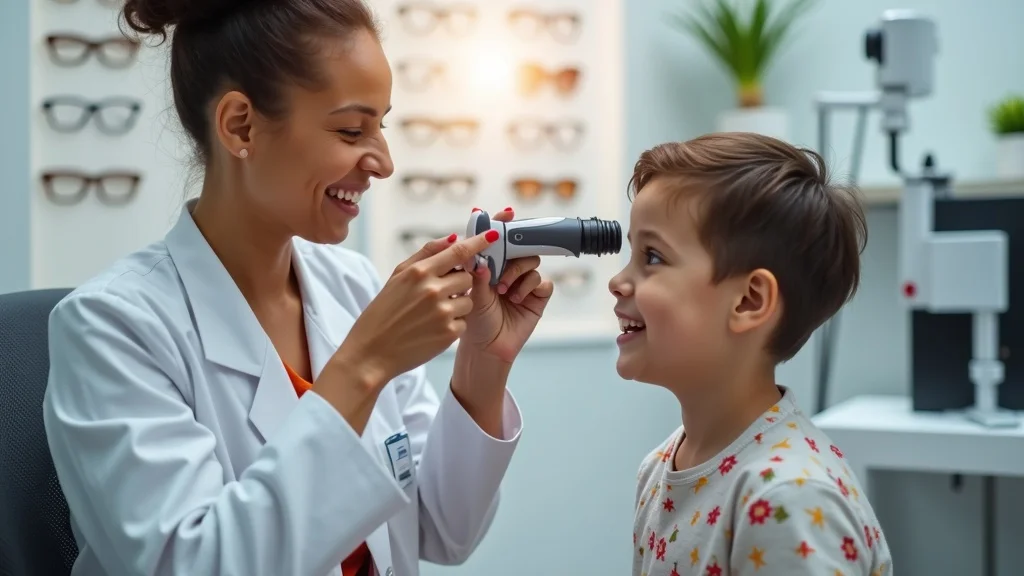
Child having a comprehensive eye exam with a South Perth optometrist focused on myopia management

Proven Myopia Management Strategies Used in South Perth

In clinics like Future Vision, optometrists utilize a multi-pronged approach to slow the progression of childhood myopia. Gregory emphasizes that effective myopia management is neither passive nor one-size-fits-all—it’s an active collaboration between practitioner, patient, and family. Let’s explore the tools and tactics currently delivering results in South Perth.

The cornerstone? Education. “The most important initial step is teaching families about visual hygiene—encouraging more time outdoors and less recreational screen time,” shares Gregory. But beyond lifestyle, South Perth’s optometrists now leverage advanced optical treatments to alter the eye’s growth, actively slowing myopia’s march.

Visual Hygiene: Outdoor Time and Screen Breaks

According to Gregory, the simplest but most powerful advice begins outside the clinic walls: more sunlight and less non-essential screen time. Both research and real-world clinical experience show that children who spend additional hours outdoors, especially in bright, natural light, experience slower myopia progression. Outside time aids healthy eye growth, while excessive close-up work—particularly with digital devices not related to schoolwork—accelerates it.

Gregory’s approach centers on making eye health accessible for families: “Education about increasing outdoor sun exposure and reducing excessive non-educational screen time is foundational in slowing myopia progression. ” This focus enables parents to make incremental daily changes with outsize, long-term benefits for their children.

"Education about increasing outdoor sun exposure and reducing excessive non-educational screen time is foundational in slowing myopia progression." — Matthew Gregory

Children playing in the sunshine in South Perth park as part of myopia management strategy

Innovative Optical Treatments: Meosmart Glasses and Specialized Contact Lenses

When environmental changes aren’t enough—or when a child is at higher risk due to genetic or lifestyle factors—advanced myopia control treatments step in. Gregory highlights Meosmart glasses, cutting-edge soft contact lenses, and orthokeratology lenses as game-changers in the fight against childhood myopia acceleration.

These options are more than corrective—they actively alter how light is focused onto the retina, which in turn influences eye growth. Implemented under expert supervision, these specialized lenses can significantly slow myopia’s progression in children already affected by the condition.

Meosmart Glasses: Activating Eye Growth Pathways

Meosmart glasses represent one of the latest advances in myopia management. They work by gently encouraging the eye to grow in a healthier pattern, reducing the rate at which myopia increases. Gregory describes their role as “activating the eye’s growth pathways in a way that reduces the speed of myopia development while maintaining clear vision for school and daily life. ” This technology empowers clinicians to do more than simply correct vision—it enables active management of future risk.

According to industry studies and supporting evidence, these glasses are particularly useful for younger children and those in the initial stages of myopia, amplifying the effect of environmental modifications such as increased time outdoors.

Child adjusting Meosmart glasses as part of advanced myopia management in Perth

Soft Contact Lenses and Orthokeratology: Effective Myopia Control

For many families, soft daily disposable contact lenses designed for myopia control offer a convenient, proven solution. These lenses gently reshape the light’s focus on the retina, helping to slow the axial elongation of the eye—the root cause of myopia’s worsening. Particularly for active children or those preferring glasses-free vision, contact lens options can integrate seamlessly into their routines.

Orthokeratology (Ortho-K), in which specially designed hard lenses are worn overnight to reshape the cornea temporarily, provides another highly effective strategy. Gregory explains that Ortho-K is “a powerful tool for both correcting vision by day and slowing myopia progression overnight—especially beneficial for motivated families and children engaged in sports or activities where daytime lenses are less practical. ”

Key Insights on Managing Childhood Myopia Effectively

According to Matthew Gregory, the key to long-term vision health is both early intervention and realistic expectations. The majority of myopia management plans hinge on two principles: regular monitoring and individualized strategies.

The expert’s perspective is that staying vigilant through regular eye exams—ideally every 1 to 2 years—enables clinicians to adjust interventions as needed and catch progression before it can contribute to more serious retinal or optic nerve compromise.

"Regular eye exams every 1 to 2 years are critical. Following your optometrist’s myopia control recommendations can significantly reduce progression and long-term risks." — Matthew Gregory

Setting Realistic Expectations: Myopia Control vs. Cure

Gregory is careful to manage parent and provider expectations: “Myopia control strategies help reduce progression but do not cure or reverse myopia. ” He warns against miracle claims, reminding families that current technology controls worsening but cannot yet eradicate the condition.

That said, every point of reduction—no matter how small—is meaningful. “Even it can be disheartening if your child already has myopia…reducing that risk is still very important and very beneficial to your child's long term eye health,” Gregory notes. For providers and parents alike, this underscores the long-term health rationale behind consistent management, early intervention, and adherence to custom plans.

  • Myopia control strategies help reduce progression but do not cure or reverse myopia.
  • Even if myopia is already present, reducing its progression lowers the risk of serious eye diseases.
  • Consistent follow-up and adherence to management plans are essential for effective outcomes.
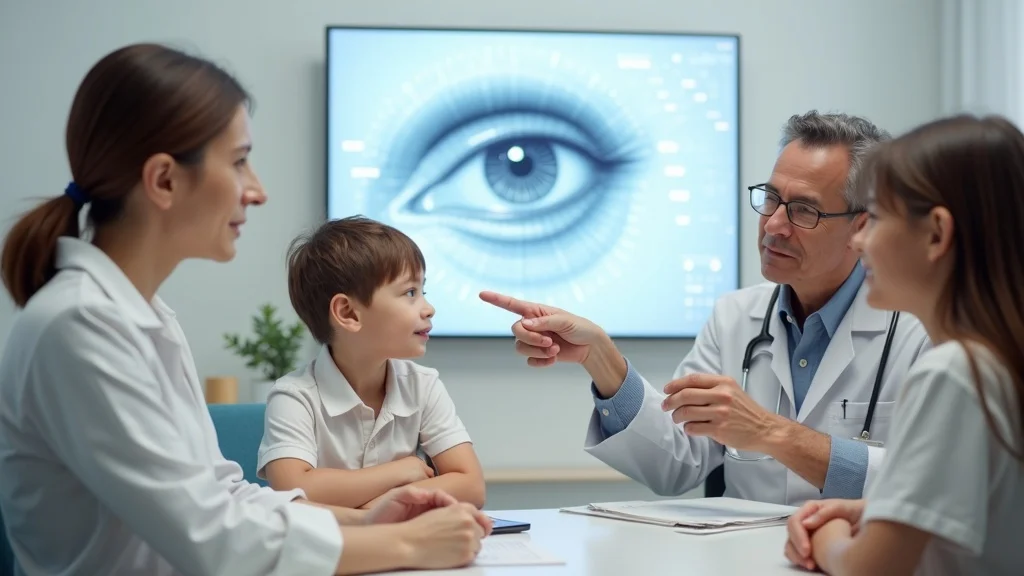
Optometrist discussing child myopia management plan with parents in South Perth clinic

Enhancing Eye Health Outcomes with Future Vision's Expertise

The Future Vision team leverages advanced diagnostic tools—such as retinal imaging and Optical Coherence Tomography (OCT) scans—to detect subtle changes in the retina and monitor myopia progression with unprecedented precision. This technology allows for early detection of changes that may increase a child’s risk profile, enabling timely adjustments to management strategies.

Beyond technology, Gregory emphasizes individualized plans. “No two children are alike, and neither are their eyes. Personalized management ensures every child benefits from strategies tailored to their risk, lifestyle, and clinical history,” he shares. The practice also offers specialized lens fitting, including for orthokeratology and complex corneal diseases, embodying a uniquely comprehensive approach to pediatric eye care in South Perth.

Advanced Diagnostic Tools for Early Detection and Monitoring

Digital diagnostics are at the heart of modern myopia management. Retinal imaging, corneal topography, and OCT enable Future Vision to catch issues invisible during routine exams, empowering optometrists to personalize every child’s care trajectory and benchmark the impact of ongoing interventions.

These technological capabilities, paired with the practice’s experience in myopia-related disorders and credentialed specialty eye exams, set Future Vision apart as a leader in the field and a reliable partner for families, generalist providers, and referral sources across South Perth and beyond.
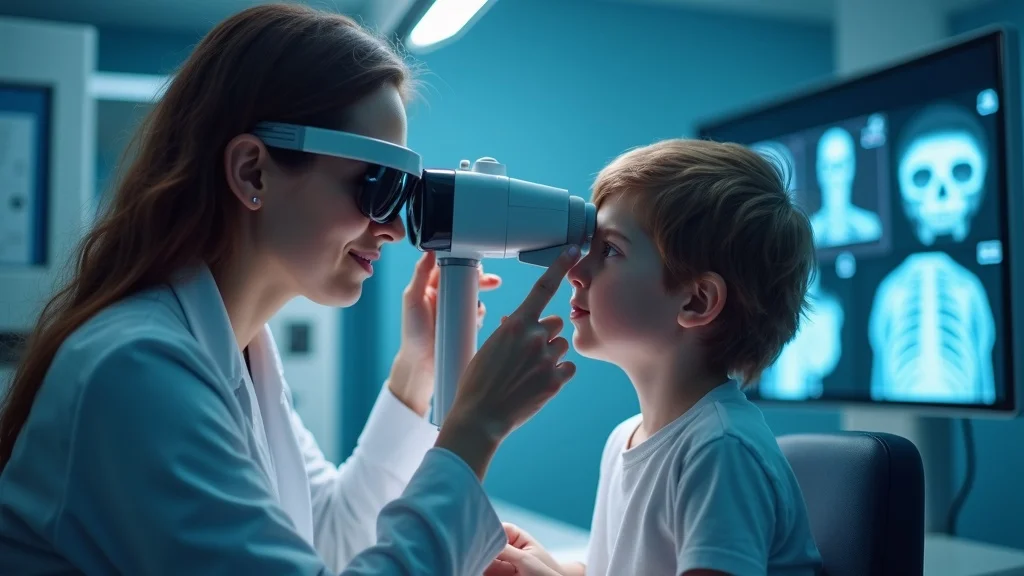
Optometrist using OCT scan for early childhood myopia detection in South Perth

Personalized Myopia Management Tailored to Each Child’s Needs

While best practices inform the framework for myopia management, each intervention must suit the individual child. Gregory and his team review each patient’s risk factors such as family history, lifestyle, and current eye health profile before recommending a management plan.

This personalized approach builds trust and engagement, resulting in higher compliance and better outcomes. By supporting both the child’s and the family’s understanding throughout the process, Future Vision ensures each step taken is both evidence-based and achievable in daily family life.

Common Myopia Myths Debunked and Practical Tips for Parents

  1. Myth: Myopia can be cured with glasses alone.
  2. Truth: Glasses correct vision but specialized strategies are needed to slow progression.
  3. Tip: Encourage outdoor activity and limit recreational screen time.
  4. Tip: Schedule regular eye check-ups following expert advice.

Summary: The Path Forward in Myopia Management for Safer Childhood Vision

Looking ahead, the goal of every myopia management plan is clear: reduce progression early to prevent vision-threatening complications. A collaborative effort between parents, healthcare professionals, and optometry specialists like those at Future Vision can truly shift the outlook for South Perth’s youngest patients.

Gregory’s experience brings hope and clarity: “The goal is to reduce myopia progression early to prevent future vision-threatening complications and ensure long-term eye health. ” For all stakeholders—from clinic managers to concerned parents—the message is consistent: early intervention and expert guidance will safeguard the future of childhood vision.

"The goal is to reduce myopia progression early to prevent future vision-threatening complications and ensure long-term eye health." — Matthew Gregory

Take Action for Your Child’s Eye Health Today

  • Book regular comprehensive eye exams.
  • Ask your optometrist about personalized myopia management strategies.
  • Stay informed and proactive – early intervention is vital.

Are you ready to protect the future of your child’s sight? Contact Future Vision in South Perth today to discuss the most effective myopia management strategies tailored to your needs, and make early prevention your child’s advantage.

News & Local Updates

0 Views

0 Comments

Write A Comment

*
*
Please complete the captcha to submit your comment.
Related Posts All Posts
04.01.2026

Leveraging Retinal Imaging Services for Early Detection of Diabetic Eye Disease in South Perth

Why Retinal Imaging Services Are Vital for Early Detection in South Perth “Retinal imaging is less about diagnosing diabetes itself and more about detecting the damage caused by long-term diabetes.” – Matthew Gregory, Future Vision For healthcare providers and medical managers across South Perth, the importance of a robust retinal imaging service has never been more pronounced. As diabetes rates continue to climb—fueled by lifestyle shifts and delayed diagnosis—the silent progression of diabetic eye disease poses a mounting threat to community health. Matthew Gregory of Future Vision sheds light on a crucial misconception: many patients believe diabetes is routinely caught during eye checks, when in reality, retinal imaging is designed to detect the cumulative impact of long-term diabetes rather than diagnose the condition itself. The expert perspective, deeply rooted in years of clinical experience at Future Vision Optometrists, underscores that retinal damage occurs over decades, often before noticeable symptoms emerge. In South Perth’s diverse community, timely intervention is vital—especially for patients at high risk or those with longstanding diabetes. Retinal imaging services stand as an essential frontline tool, empowering practitioners to identify early disease indicators and initiate protective measures before vision loss occurs. According to Matthew Gregory, early detection relies not just on technology, but on education and consistent engagement with vulnerable populations, including Indigenous Australians who statistically face higher rates of both diabetes and related eye disease. Diabetes’ Silent Progression and Retinal Damage: A Growing Concern “It takes decades for diabetes to cause retinal damage, but with rising prevalence and delayed diagnoses, retinal imaging becomes critical.” – Matthew Gregory, Future Vision A key challenge in fighting diabetic eye disease is the often silent progression of diabetes itself. As Matthew Gregory explains, many individuals live with diabetes for years—or even decades—before any direct impact on the retina becomes apparent. The window between undiagnosed diabetes and detectable retinal damage underscores a pivotal truth: without regular and proactive retinal imaging services, countless cases may go unnoticed until vision is irrevocably compromised. The situation is further complicated by the shifting health landscape in South Perth and beyond. With society moving toward an obesogenic environment and social media sometimes sowing mistrust in traditional medical advice, the odds of diabetes remaining undetected are rising. Gregory emphasizes that in his extensive work with Indigenous Australians, the stakes are even higher. These communities experience a disproportionate burden of diabetes, reinforcing the need for accessible, high-quality screening programs and culturally tailored outreach. The role of regular retinal imaging thus becomes dual: it is not only a clinical imperative but also a cornerstone for health equity and community trust. Understand diabetes often goes undiagnosed for years. Recognize retinal imaging as an essential annual screening tool. Focus on vulnerable groups, including Indigenous Australians, with higher disease rates. Expert Insights: How Retinal Imaging Enhances Diabetic Eye Disease Management “Yearly retinal checks are strictly recommended once diagnosed with diabetes for effective monitoring.” – Matthew Gregory, Future Vision According to Matthew Gregory, embracing scheduled annual retinal imaging services is non-negotiable for anyone living with diabetes. Future Vision leverages state-of-the-art diagnostic technology, including Optical Coherence Tomography, to detect microvascular changes, enable real-time monitoring, and offer immediate insights into the patient’s retinal health. For proactive medical managers and corporate wellness coordinators, this means earlier intervention, fewer progression cases, and reduced instances of irreversible vision loss among employees and patients. Gregory’s experience highlights not just the clinical effectiveness but also the practical accessibility of modern retinal screening. “Yearly retinal checks are strictly recommended once diagnosed with diabetes for effective monitoring,” he stresses. By embedding imaging into diabetes care protocols, clinics and corporate programs in South Perth can move from a model of reactive treatment to one of preventive care. This strategic shift makes all the difference when managing chronic conditions that silently deteriorate patient well-being. Addressing Barriers: Overcoming Mistrust and Increasing Screening Uptake Despite its clear benefits, retinal imaging service uptake sometimes falters due to deeply rooted mistrust in doctors and health systems—a dynamic magnified by misinformation on social media. Recognizing and addressing this mistrust is part of what sets Future Vision’s approach apart. According to Matthew Gregory, empathetic engagement and culturally sensitive consultation, especially with Indigenous communities, are essential for breaking down barriers to care. By creating patient-centered environments—where reassurance, understanding, and representation are the norm—Future Vision helps demystify eye health technology and build enduring trust. This isn’t just about better bedside manner; it directly translates into more frequent annual screenings, earlier detection, and improved long-term outcomes across South Perth’s demographic spectrum. For healthcare providers, this means adapting communication and outreach strategies to not just inform, but also empower and reassure every patient. Tailored Care for South Perth’s Diverse Community Leveraging advanced retinal imaging technology at Future Vision Optometrists. Supporting Indigenous populations with targeted screening programs. Bulk-billed retinal imaging services enhancing access and affordability. Future Vision’s retinal imaging service extends well beyond the average check-up. By harnessing advanced technologies and bulk-billed service models, they maximize both the clinical impact and accessibility for South Perth’s diverse population. Matthew Gregory points out, “Bulk-billing allows more frequent and equitable screening, which is critical for at-risk groups. ” This deliberate commitment to affordability and inclusivity supports proactive management, particularly among those least likely to seek care due to financial barriers or cultural mistrust. The availability of OCT scans and digital imaging creates a comprehensive ecosystem where no patient’s risk is overlooked, and timely intervention becomes the standard rather than the exception. The Role of Retinal Imaging Services in Corporate and Clinical Settings Integrating Retinal Imaging in Workplace Wellness and Aviation Health In an era where workplace health initiatives are fast becoming a benchmark of organizational responsibility, integrating retinal imaging services into corporate wellness programs offers distinct advantages. As Matthew Gregory notes, early detection through eye screening not only preserves individual health, but also reduces absenteeism and long-term disability claims. Employers in South Perth, including aviation medical examiners and insurance case managers, now routinely partner with specialized optometry providers for tailored on-site screenings and ongoing vision care management. For aviation professionals, in particular, maintaining optimal vision is a legal and operational necessity. Future Vision's credentialed aviation eye exams, compliant with CASA standards, exemplify how advanced retinal imaging services can safeguard both careers and public safety. In every instance, the message is clear: workplace-integrated eye health screening drives both personal well-being and organizational resilience. Enhancing Medical Clinic and Insurance Case Management via Early Detection Accessible retinal imaging services are equally transformative for medical clinics and insurance providers. By incorporating routine retinal scans into diabetes management protocols, clinics detect emerging eye conditions earlier, enabling timely intervention, reducing costly complications, and improving quality of life for patients. Insurance case managers benefit from the additional layer of medical certainty; early documentation of diabetic eye changes streamlines claims processing and underlines a proactive healthcare approach that mitigates risks before they escalate. According to Matthew Gregory, advancing early detection is more than a clinical imperative—it’s a strategic asset for all stakeholders. Whether you operate a clinic, manage a patient roster, or oversee insurance cases, investing in retinal imaging aligns clinical goals with financial stewardship and patient-centered care. Key Takeaways for Healthcare Providers and Medical Managers on Retinal Imaging Service Early detection reduces vision loss from diabetic eye disease. Annual retinal imaging is an indispensable tool in diabetes care. Accessible and bulk-bill options make regular screening feasible. Schedule Regular Retinal Imaging: Safeguard Vision in South Perth “If you get diabetes, it’s always important to get a diet eye check with retinal checks every year strictly.” – Matthew Gregory, Future Vision As diabetes continues its quiet advance across South Perth, the gap between healthy vision and permanent sight loss often comes down to one thing: vigilance. According to Matthew Gregory, “Annual eye checks using advanced retinal imaging are non-negotiable for anyone with a diabetes diagnosis. ” Now more than ever, healthcare providers, clinic managers, and corporate wellness planners have a powerful, accessible tool at their disposal. Proactively scheduling and promoting these services is more than just a standard of care—it's a lifeline for patients and a mark of leadership for anyone charged with managing their well-being. By leveraging retinal imaging services—with tailored support from the expert team at Future Vision—South Perth’s health professionals can lead the charge against diabetic eye disease, protecting eyesight and transforming lives for years to come. Ready to prioritize vision health in your community or organization? Schedule a comprehensive retinal imaging service today at Future Vision in South Perth and commit to early detection, equity, and exceptional patient care.

03.25.2026

Maximizing the Benefits of Bulk Billed Optometry Services in South Perth

Matthew Gregory Reveals the Truth About Bulk Billed Optometry"People think that you're only entitled to 1 bulk bill eye test in a certain given time, but actually, you can visit multiple times and it will always be bulk billed with different item codes."– Matthew Gregory, Future VisionIn the realm of bulk billed optometry, few people truly recognize how accessible world-class eye care can be—especially in South Perth. For healthcare providers, clinic managers, insurance case coordinators, and wellness officers, understanding the fine print of Medicare’s bulk billing is not just an administrative box-tick—it’s a real lever for improving patient outcomes. According to Matthew Gregory of Future Vision, there’s a prevailing myth: “Most believe eligibility limits you to one covered eye test every few years. But if a new concern arises or your vision changes, you can access bulk billed services more often, as different item codes cover various appointments. ” This misconception not only keeps patients away, but it delays early intervention that can be critical for long-term eye health.Gregory’s experience at Future Vision, a leading optometry clinic established in 1984 in South Perth, gives him a ground-level perspective on how bulk billed optometry can change lives. Their approach combines advanced diagnostics—from retinal imaging to Optical Coherence Tomography (OCT)—with a patient-first philosophy that prioritizes proactive care. It is here, within their welcoming practice, that patients discover there’s no need to delay an appointment for fear of out-of-pocket costs, a message that Gregory is on a mission to amplify for the benefit of community health and care teams alike.Why Understanding Bulk Billed Optometry Is Crucial for Healthcare Providers and Coordinators Today"With the current tough economy, knowing there’s no financial burden for eye tests encourages timely eye care to maintain optimal health."– Matthew Gregory, Future VisionBulk billed optometry isn’t just a policy discussion—it’s a frontline issue in a climate where misinformation and cost anxieties lead patients to forgo critical eye checks. As Matthew Gregory points out, “A lot of misinformation out there… so it’s always good to clarify key points that give people the best eye health outcomes. ” This is especially important now, as cost-of-living pressures mount and Australians worry about healthcare expenses.According to Gregory, the right information can be transformative. When care managers, aviation medical examiners, and insurance case managers are equipped with factual, up-to-date guidance about bulk billing, they can empower patients to act sooner, rather than wait until symptoms worsen. The ability to reassure patients—“you will not face a financial barrier for essential eye exams”—is a vital tool in reducing missed diagnoses and supporting overall wellbeing. In fact, Gregory’s team at Future Vision constantly reinforces that early intervention through accessible, bulk billed diagnostics means ocular diseases are detected when they’re most treatable, ultimately reducing the long-term burden on both patients and healthcare systems.Expert Anecdote: How Misconceptions Delay Critical Eye Care"A recent patient was unsure if they could get tested again before the usual interval. We reminded them that bulk billing applies anytime there’s a new issue — early detection can be life-changing."– Matthew Gregory, Future VisionStories on the ground often reveal how critical clear communication is. Gregory recalls a case where a patient hesitated to book a follow-up for emerging symptoms—fearing their last bulk billed appointment disqualified them until “the right year rolled around. ” The reality, as Gregory’s team gently explained, is that new symptoms or vision changes unlock further Medicare coverage, a detail that could mean catching sight-threatening diseases early.The expert’s perspective is that every instance of delayed care—driven by misconception—could equate to missed chances for intervention. Too many patients, especially those managing chronic conditions like diabetes or those exposed to occupational eye strain, hesitate when a new problem arises. By debunking these myths, care coordinators and referring doctors can encourage timely action that preserves vision and, frequently, quality of life.Navigating Bulk Billed Optometry: What Every Medical Clinic Manager and Insurance Case Manager Should KnowBulk billing is available multiple times — not limited to one test every few years.Certain optometry services like work reports may not be bulk billed.Patients should always feel empowered to ask if bulk billing applies.Future Vision is a leading bulk billed optometry provider with advanced diagnostic care in South Perth.For practice managers and case coordinators, these bulk billed optometry regulations can make or break a patient’s willingness to seek care. Matthew Gregory emphasizes that repeated, medically justified visits aren’t penalized by Medicare—each encounter can be claimed with the appropriate diagnostic code. Where confusion arises is outside the core domain of eye health: work-related vision reports and certain specialty assessments may fall outside the bulk billing framework. Gregory encourages all coordinators to remind clients that while most tests and scans are covered, it’s always wise to check beforehand and avoid unexpected charges.What does stand out, however, is the importance of patient confidence and transparency. “It’s okay to ask a practice if they bulk bill,” Gregory reiterates, underlining that proactive communication is a vital step towards equitable eye healthcare. Clinics like Future Vision, known for their longstanding commitment to Medicare coverage, build trust by explaining these nuances in plain language—and by partnering closely with major health funds for any services that do not fall under standard bulk billing.How Future Vision Combines Clinical Expertise with Bulk Billed AccessibilityComprehensive eye exams powered by retinal imaging and OCT scans for early detection of eye diseases.Stylish eyewear options tailored to patients’ lifestyles and health needs.Specialized services including aviation eye exams and orthokeratology lens fittings.Commitment to accessible care by partnering with major health funds and bulk billing all eligible services.Where many clinics see bulk billing as a limitation, Future Vision has turned it into a cornerstone of their practice. According to Matthew Gregory, “We leverage the full spectrum of diagnostic tools—retinal imaging, OCT, corneal topography—to provide medical excellence, no matter the patient’s financial situation. ” This commitment ensures that neither routine eye care nor advanced interventions are restricted by the upfront cost—a key message for workplace health coordinators and insurance partners eager to support best-in-class care.Future Vision doesn’t stop at diagnostics. Their approach incorporates ongoing education, personalized aftercare, and a handpicked selection of premium eyewear that reflects each patient’s style and occupational needs. Their experience with specialized demands—such as aviation and occupational vision standards—positions them as a hub for patients who require more than basic “sight tests. ” Their team works closely with major health funds, offering the reassurance of affordable care coupled with professional excellence.Key Takeaway: Empower Your Patients to Prioritize Eye Health Without Financial Barriers"It can always be bulk billed — patients must be encouraged to ask as bulk billing isn’t always widespread but it should never prevent timely care."– Matthew Gregory, Future VisionThe central insight, driven by Matthew Gregory’s extensive experience, is unequivocal: financial misunderstandings must never stand between a patient and vital eye care. In his words, “It can always be bulk billed,” but patients and their support networks must be diligent in confirming coverage for each service, especially where less-common procedures or specific occupational requirements are concerned. The most powerful tool in a healthcare coordinator’s kit is clear, proactive communication—making it explicitly known that help is available and cost won’t be a barrier.By championing this message, clinic managers, wellness consultants, and referring doctors can drive a fundamental shift in eye health behaviour. “Encourage your patients to ask,” Gregory urges, “so they don’t delay care that could prevent permanent vision loss. ” This simple step can unlock not just short-term care advantages, but long-lasting improvements in public health outcomes across South Perth and beyond.FAQs: Clearing Up Bulk Billed Optometry MisconceptionsQ: Can a patient receive multiple bulk billed eye tests within a year?A: Yes, especially if issues arise requiring prompt attention.Q: Are all optometry services covered under bulk billing?A: No, some services such as work-related reports are excluded.Q: How can patients confirm if their optometry provider bulk bills?A: Simply ask the practice directly; transparency is key.Take the Next Step with Future Vision: Accessible Bulk Billed Optometry in South PerthSchedule your bulk bill eye test today at Future Vision for comprehensive, affordable care.Access advanced diagnostics and eye health management with trusted professionals.The takeaway is simple, but transformative: challenge misconceptions, communicate clearly, and prioritize accessible eye care. As Matthew Gregory and the team at Future Vision have demonstrated, bulk billed optometry in South Perth isn’t just about cost savings—it’s about making sight-saving healthcare universally available when it matters most.Ready to help your patients take this vital step? Contact Future Vision today for advanced, bulk billed eye exams that prioritise both convenience and clinical excellence—and empower your clients to take charge of their eye health, unhindered by financial barriers.

Terms of Service

Privacy Policy

Core Modal Title

Sorry, no results found

You Might Find These Articles Interesting

T
Please Check Your Email
We Will Be Following Up Shortly
*
*
*