


Matthew Gregory’s Expert Insight: Why Overnight Vision Correction is a Game-Changer for Myopia Control
Overnight vision correction via orthokeratology contact lenses represents a true breakthrough in the management of myopia, particularly for pediatric patients and their families seeking practical solutions that integrate seamlessly with daily life. According to Matthew Gregory of Future Vision, many traditional pathways for myopia control—such as daytime glasses or contacts—can present real-world obstacles, from children’s comfort to compliance struggles. Gregory emphasizes that overnight vision correction uniquely empowers patients to enjoy a full day free of glasses or contacts, delivering clear vision alongside the critical therapeutic value of myopia progression control.
Orthokeratology isn’t just about comfort or convenience—it delivers proven therapeutic benefits that actively control myopia progression while letting patients live glasses-free during the day.
— Matthew Gregory, Future Vision
Gregory’s approach is underscored by Future Vision’s community legacy: drawing upon advanced technologies and a deep tradition of patient-centered care, their team ensures every orthokeratology solution is tailored, safe, and effective. Especially for families navigating pediatric myopia, the possibility of correcting vision overnight while the patient sleeps eliminates compliance worries and elevates lifestyle satisfaction for both children and parents. For healthcare coordinators, medical clinic managers, and referring professionals, this innovation opens new avenues for supporting sustainable, long-term eye health outcomes—blending cutting-edge science with real-world practicalities.
Bridging Therapy and Lifestyle: Practical Benefits for Patients and Parents

Orthokeratology is purpose-built to resolve the two major sticking points for myopia management in children and adults: continuous therapeutic effect and lifestyle freedom. As Matthew Gregory explains, a core attraction is the ability for patients to experience comfortable, glasses-free vision throughout the day—without the hassle or self-consciousness of daytime contacts. This is particularly vital for children, who often find contact lenses uncomfortable or difficult to manage while active or at school.
Many parents worry their children can’t handle daytime contact lenses, but overnight orthokeratology removes that barrier while ensuring effective myopia treatment.
— Matthew Gregory, Future Vision
Gregory’s professional experience reveals how overnight vision correction directly addresses the concerns of parents who question whether their child can cope with daily lens routines. By shifting the treatment to nighttime, where the lens is inserted before sleep and removed upon waking, children remain free from discomfort during their waking hours. This model not only enhances compliance but also reduces parental stress—knowing their children’s myopia is being managed actively, yet unobtrusively. Some families even notice an increased enthusiasm in their children’s day-to-day activities thanks to the absence of physical or cosmetic barriers, reinforcing the holistic value of orthokeratology in pediatric care.
Therapeutic myopia control through corneal reshaping
Cosmetic freedom without daytime glasses or contacts
Comfort advantage by eliminating daytime contact lens wear
Improved compliance and satisfaction among pediatric patients
Clinical Precision: How Future Vision Ensures Effective Orthokeratology Wear
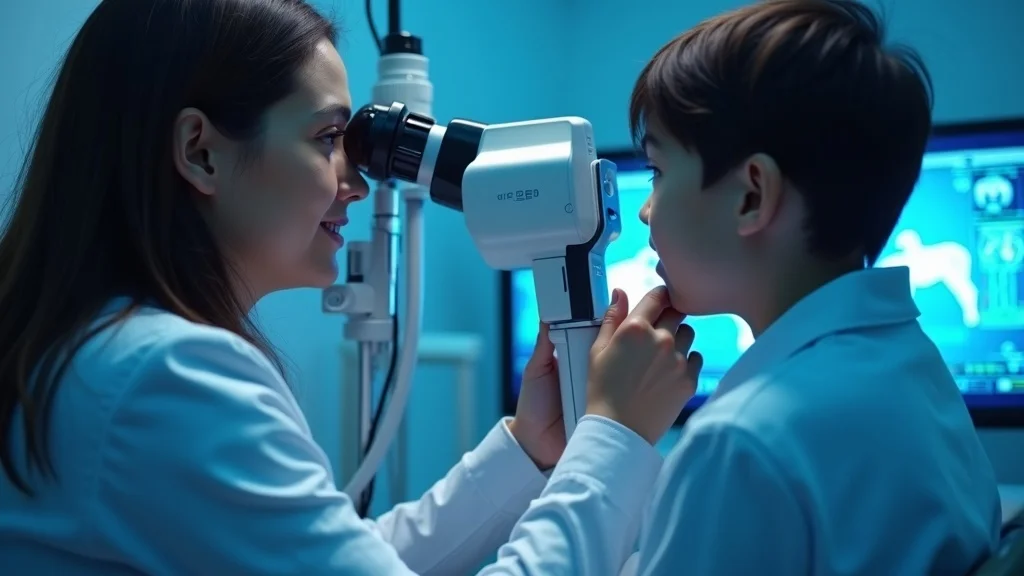
At Future Vision, delivering exceptional outcomes with overnight vision correction begins with leveraging advanced diagnostic technologies and clinical expertise. According to Matthew Gregory, the use of corneal topography is a central pillar in ensuring both the safety and effectiveness of every orthokeratology lens. The practice meticulously tailors each lens to the unique corneal shape and needs of the patient—optimizing therapeutic performance while minimizing risk.
With advanced corneal topography and personalized fitting, we ensure each orthokeratology lens offers both safety and efficacy tailored to individual eye profiles.
— Matthew Gregory, Future Vision
This commitment to precision allows Future Vision to confidently address a spectrum of patient profiles, including complex corneal shapes and challenging pediatric cases. Gregory points out that the combination of hands-on experience, robust data from topography, and ongoing follow-ups forms the backbone of their patient management protocol. The result? Maximum clinical benefit for myopia control, matched with high patient satisfaction and long-term safety. For medical professionals and referring clinics, partnering with such specialized practices fosters confidence in the continuity and outcome quality of their patients' overnight vision correction journey.
Addressing Common Misconceptions About Overnight Vision Correction
Myth: Orthokeratology is only for vision correction, not myopia control
Fact: It provides significant therapeutic benefits slowing myopia progression
Myth: Contacts worn overnight can't be safe or comfortable
Fact: Proper fitting and advanced technology mitigate risks and maximize comfort
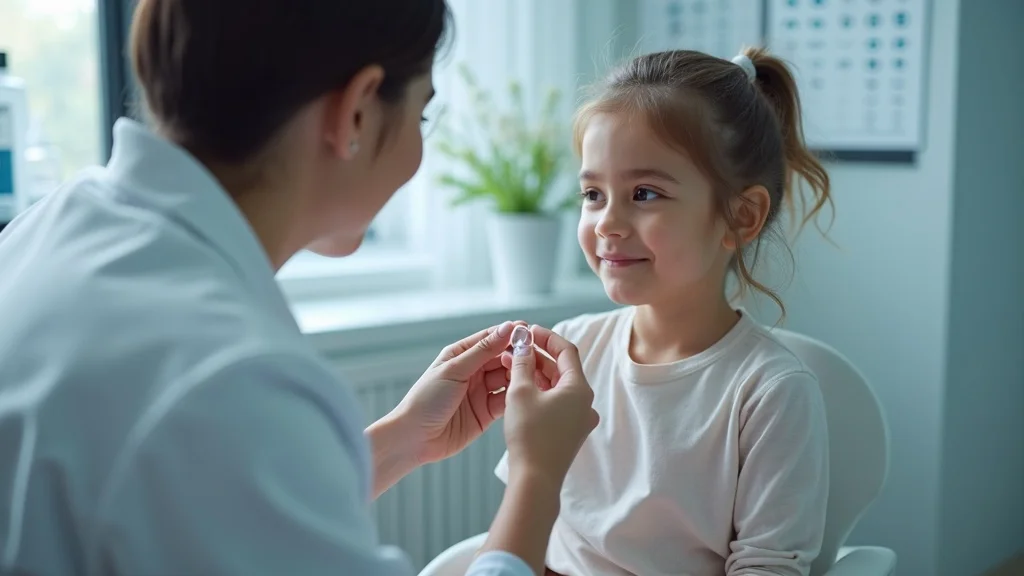
Despite mounting evidence and decades of positive outcomes, overnight vision correction persists as a topic clouded by misconceptions among patients and occasionally among healthcare providers. Matthew Gregory underscores the crucial distinction: orthokeratology is not merely a cosmetic fix; it is a therapeutic medical device scientifically validated for pediatric myopia control, significantly slowing the rate of progression and reducing long-term vision risks.
Another persistent myth addresses safety and comfort—specifically, concerns around wearing lenses overnight. Gregory stresses that with state-of-the-art fitting technology, robust hygiene education, and modern lens materials, risks such as infection or discomfort are dramatically reduced. His approach at Future Vision combines cutting-edge corneal mapping with vigilant aftercare to foster consistent, safe results even for very young patients. For clinic managers and referring professionals, staying informed about the clinical realities of orthokeratology is key to offering advanced, evidence-based options to families seeking more than standard vision correction.
Key Takeaways for Healthcare Providers and Medical Professionals
Overnight vision correction via orthokeratology offers a dual benefit of therapy and lifestyle ease.
It enhances pediatric patient compliance by removing daytime contact concerns.
Specialized clinics, like Future Vision, utilize high-tech diagnostics to optimize lens fitting and outcomes.

For those guiding clinical protocols, managing group practices, or supporting corporate and aviation eye health, the practical and therapeutic advantages of overnight vision correction cannot be overstated. According to Matthew Gregory, championing this model enhances both patient compliance and treatment efficacy—particularly in pediatric myopia management, where the stakes include lifelong eye health.
Clinics equipped with advanced diagnostics such as corneal topographers can offer highly personalized care, ensuring that each orthokeratology lens aligns with the patient’s anatomical and lifestyle requirements. This synergy between medical rigor and patient-centered convenience enables providers to raise the standard of care across broad community, occupational, and pediatric populations.
Empowering Your Patients: Integrating Overnight Vision Correction into Myopia Management Plans
Educate patients and parents on the safety and efficacy of orthokeratology.
Highlight cosmetic and comfort advantages to improve acceptance.
Coordinate with specialized eye care providers for personalized fitting and monitoring.
Incorporating overnight vision correction into your myopia management offerings requires a multifaceted approach. Gregory recommends that practitioners stay proactive—regularly dispelling myths, discussing both short- and long-term benefits, and demystifying the process for children, parents, and adult patients alike. By emphasizing both the medical therapy and the day-to-day freedom orthokeratology enables, providers can drive greater acceptance and compliance.
Coordination with specialized optometric clinics, such as Future Vision, is critical for success. These partnerships ensure access to advanced fitting technologies and comprehensive patient support—delivering not just superior outcomes, but also peace of mind for referrers and recipients. As public awareness of myopia risks grows, professionals who understand and champion effective preventive options will remain at the forefront of excellence in modern eye health.
Conclusion: Why Overnight Vision Correction is Essential in Modern Myopia Control
Orthokeratology keeps children happy and parents reassured, all while delivering critical myopia control benefits in a convenient, lifestyle-friendly way.
— Matthew Gregory, Future Vision
In today’s landscape of escalating myopia rates, especially among digitally engaged children and young adults, timely intervention matters. Overnight vision correction with orthokeratology does more than meet the needs of the present—it paves a path to healthier, clearer futures by integrating evidence-based therapy with genuine ease of living. Healthcare teams, case managers, and optometric leaders who recognise and facilitate this form of customised care deliver not just vision correction, but long-term well-being and fulfillment for their patients and communities.
Take the Next Step: Expert Eye Care Solutions from Future Vision
Access cutting-edge orthokeratology fitting technologies
Benefit from decades of trusted eye care expertise
Provide patients with a proven, night-time vision correction alternative that safeguards eye health
To learn more or to coordinate advanced overnight vision correction care for your patients, connect with the team at Future Vision—your partners in pioneering the next generation of myopia control.
Ready to book your bulk-billed, fully accredited examination or call (08) 9367 4726
.


Write A Comment