Absolute Local Blog
update

[Company Name]

update
  • Homepage
  • Subscribe
  • Contact Us
  • Categories
  • All Posts
  • Reputation Marketing
  • Search Engine Optimisation (SEO)
  • Web Design
  • Content Marketing
  • Social Media Marketing
  • Video Marketing
  • Digital Marketing
  • Email Marketing
  • News & Local Updates
May 06.2026
1 Minute Read

How Future Vision’s Bulk Billed Optometry Services Improve Eye Care Accessibility in South Perth

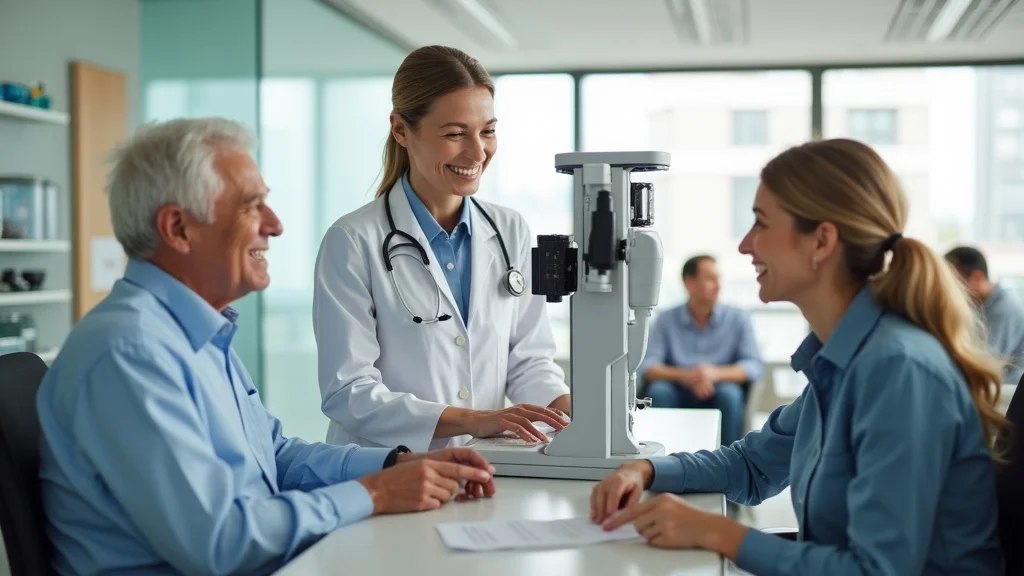
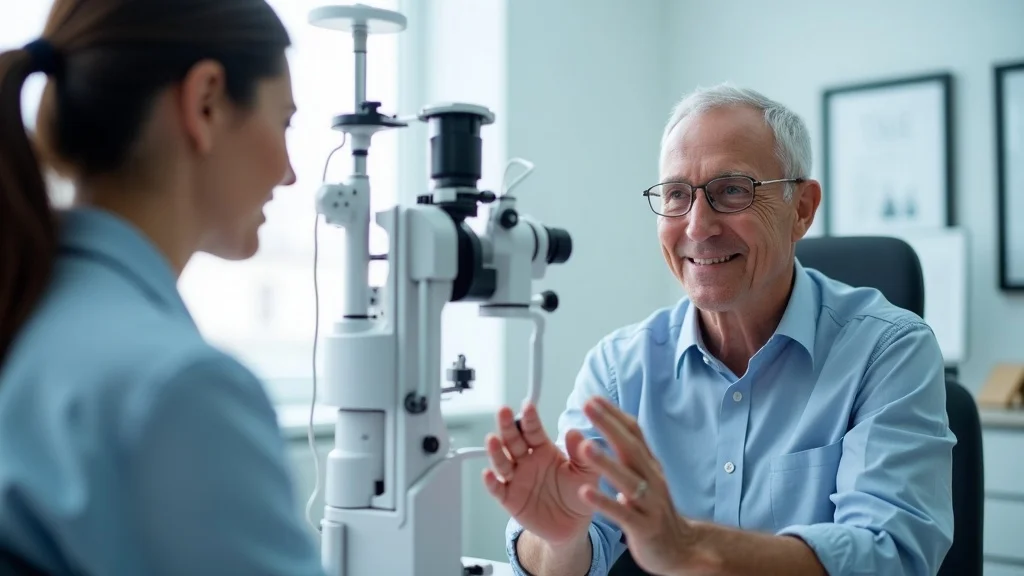
Bulk billed optometry clinic in South Perth with optometrist and elderly patient, featuring advanced eye-testing equipment and diverse patients in a modern setting

Matthew Gregory on Why Bulk Billed Optometry is Vital for South Perth's Eye Health

As Matthew Gregory, of Future Vision, explains: "A lot of eye diseases won’t show symptoms early, so regular bulk billed eye checks are crucial for early detection leading to better treatment outcomes."

In the dynamic landscape of healthcare, bulk billed optometry stands as a powerful tool for fostering accessible, preventative eye care. Matthew Gregory draws attention to a reality that often escapes public awareness: many sight-threatening diseases advance silently, showing no symptoms until irreversible damage has occurred. By offering regular, comprehensive eye checks under a bulk billing model, Future Vision lowers the barriers that traditionally prevent patients from seeking routine care. According to Matthew Gregory, early detection not only maximizes successful treatment options but also can mean the crucial difference between lifelong vision and preventable sight loss. This commitment is especially relevant in South Perth, a community known for its diverse, aging population.

Gregory emphasizes that **affordable, regular screening** captures ocular diseases at their most treatable stage, providing families peace of mind and empowering individuals to take proactive control of their eye health. In South Perth, where the population skews older, many residents are at an elevated risk for conditions such as glaucoma, diabetic retinopathy, and age-related macular degeneration. Bulk billing, therefore, isn't simply a billing practice—it's a clinical imperative. Gregory’s perspective resonates deeply with those who have witnessed loved ones struggle with late-stage diagnosis, and it serves as a call to action for individuals and referring healthcare professionals alike: make routine eye health checks an essential part of preventive care strategies.

Targeting South Perth’s Older Demographic With Accessible Eye Care

As Matthew Gregory, of Future Vision, notes: "South Perth has an older population more prone to eye diseases – bulk billing ensures they can access essential checks without financial barriers."

For South Perth’s aging residents, the impact of **accessible, bulk billed optometry** extends far beyond affordability. As Matthew Gregory points out, age is one of the strongest risk factors for numerous complex eye conditions, many of which require advanced technologies for early detection and management. Older adults face not only clinical barriers but also logistical and financial obstacles that may discourage them from prioritizing eye health. Bulk billed services help dismantle these barriers, thereby markedly increasing the uptake of preventive eye care within this demographic.

Gregory further explains that the routine nature of these checks—supported by Medicare and integrated into every aspect of the patient experience at Future Vision—translates to **greater rates of screening and follow-up**. Residents can seek care proactively, whether for routine vision correction or specialized diagnostic testing, without hesitation about unexpected out-of-pocket costs. This environment of **trust and transparency** also encourages honest dialogue, inviting patients to ask questions and actively participate in their healthcare decisions. For referrers, corporate wellness coordinators, and medical clinic managers, such accessibility becomes a cornerstone in designing effective community health strategies that truly reach at-risk groups.
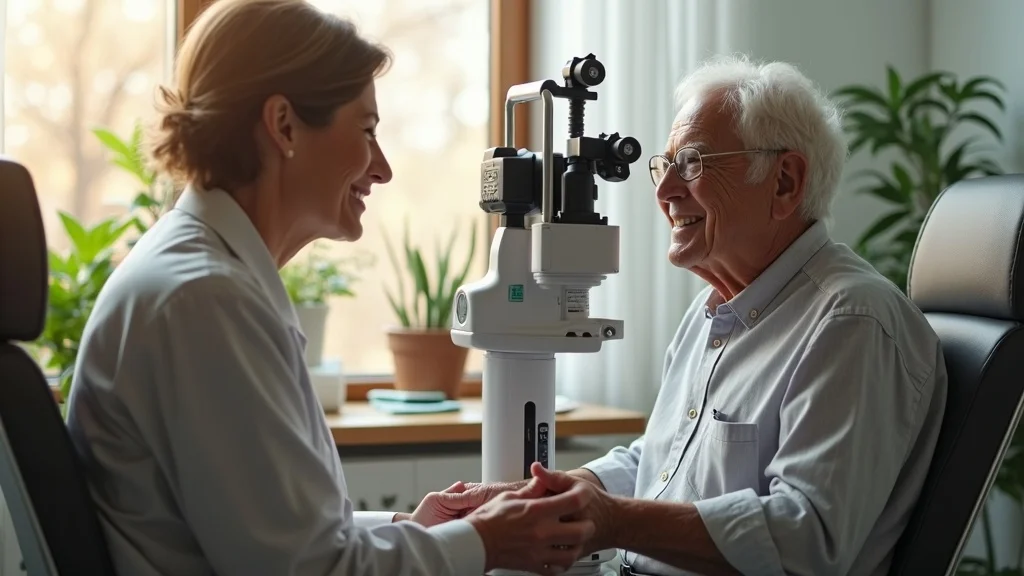
Elderly patient receiving bulk billed eye care from optometrist in South Perth, emphasizing comfort and advanced diagnostic equipment

Comprehensive Bulk Billed Services at Future Vision: Advanced Diagnostics No One Can Miss

As Matthew Gregory, of Future Vision, affirms: "Future Vision bulk bills all essential tests including retinal imaging, OCT scans, and visual fields under Medicare to ensure no one in South Perth is left behind."

The hallmark of Future Vision’s approach is its commitment to make **advanced diagnostics universally accessible through bulk billed optometry**. Matthew Gregory underscores that every essential diagnostic tool—retinal imaging, OCT scans, visual field tests, and corneal topography—is included in the bulk billing framework. This is not a selective offering but a comprehensive standard, ensuring that age, background, or financial status never limits access to state-of-the-art testing.

According to Gregory, this medical inclusivity is particularly vital for South Perth, where chronic conditions like diabetes and glaucoma are prevalent. By leveraging Medicare-aligned bulk billing for all major diagnostics, Future Vision eliminates selective rationing and guarantees that each patient receives a full suite of preventative and monitoring services. “Our philosophy is simple,” Gregory asserts: every person deserves the same high level of care without fearing the cost. This democratization of advanced diagnostics not only supports better immediate outcomes but also leads to long-term reductions in preventable blindness community-wide.

How Bulk Billed Optometry Expands Preventative Eye Care Reach

  • Retinal imaging for early disease detection
  • Optical Coherence Tomography (OCT) for detailed retinal scans
  • Visual field testing to monitor glaucoma and other conditions
  • Corneal topography for precise contact lens fitting

Gregory details how **bulk billing covers advanced technologies** that were once reserved for only the most privileged patients. Retinal imaging is crucial in the early diagnosis of sight-threatening diseases, often before symptoms appear. OCT scans allow clinicians like Gregory to examine microscopic changes in retinal tissue, identifying diabetic or myopic degeneration long before vision is lost. Visual field testing provides vital data in detecting and monitoring glaucoma, helping forecast progression and tailor treatment plans accordingly. Corneal topography, meanwhile, facilitates accurate fitting of specialty lenses, improving the quality of life for patients with corneal diseases.

Every element of this diagnostic ecosystem is geared toward maximizing health outcomes. According to Gregory, by providing these services within a **bulk billed optometry context**, Future Vision ensures even complex clinical needs are met—from preventive screening to specialized fitting—without compromise or exclusion. This level of accessibility reinforces South Perth’s position as a model community for integrated, technologically advanced eye care.
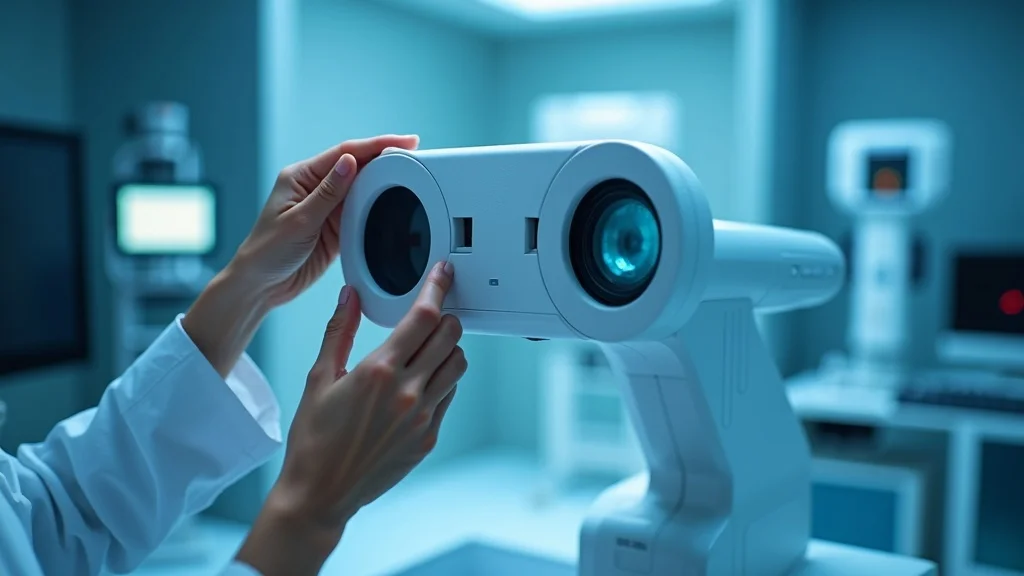
Advanced OCT scanning and diagnostic tools for bulk billed optometry in South Perth

Encouraging South Perth Residents: Don’t Hesitate to Use Bulk Billed Eye Checks

Matthew Gregory’s Key Advice for Patients

As Matthew Gregory, of Future Vision, recommends: "Always come in for a checkup—it never hurts to ask questions. If you don’t have Medicare, we can discuss the best options for you."

Making regular eye checks a habit is essential for lasting vision and peace of mind. Gregory's central message is one of **openness and reassurance**. He wants every South Perth resident to understand that an eye check is not a commitment to treatment—it is an invitation to start a dialogue. According to Gregory, “It never hurts to ask questions,” and this simple ethos reflects Future Vision’s dedication to patient empowerment. For those unsure about eligibility or coverage, the team welcomes honest, transparent discussions to find a path forward, whether through Medicare or alternative arrangements.

This non-judgmental approach has been integral to building trust with patients, especially those new to eye health or facing uncertain diagnoses. Gregory stresses that early intervention and timely questioning prevent missed opportunities for sight preservation. By opting for bulk billed optometry, patients lower the hurdles to an eye exam, gain access to immediate answers, and receive tailored recommendations from an experienced, community-centered team. For healthcare providers and referring partners, this approachable model ensures no patient is left behind due to uncertainty or financial concern.

Building Trust Through Transparent Bulk Billed Eye Care

Gregory highlights that trust is built not just on clinical skill but on a foundation of **transparency and communication**. Patients are actively invited to express concerns, challenge their care plans, and obtain second opinions—all at no additional expense. This policy is more than a courtesy; it’s a clinical best practice that enhances outcomes and patient satisfaction. According to Gregory, the openness around billing—clarifying exactly what’s covered, what’s recommended, and what options are available for those lacking Medicare—positions Future Vision as a true partner in community health.

For South Perth’s healthcare ecosystem, this approach acts as a *blueprint for equitable access*. Medical clinic managers, corporate wellness leaders, and aviation medical examiners can refer patients with confidence, knowing they will be met with compassion, clarity, and no financial surprises. Gregory’s model demonstrates that sustainable, community-wide eye health improvements depend on more than just technology or infrastructure—they hinge on a deep-seated commitment to the patient’s personal journey.

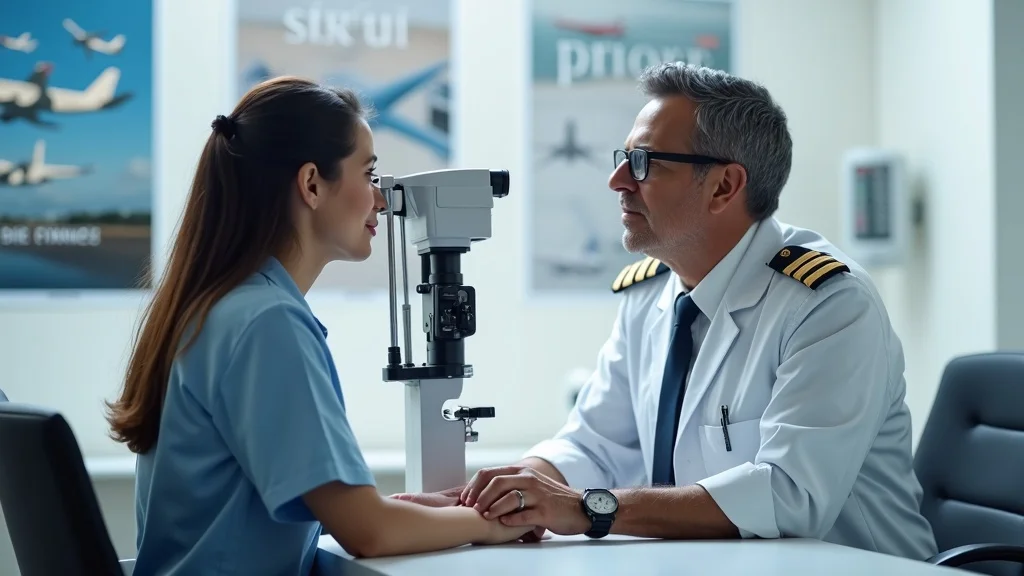
Trust-building handshake between optometrist and patient after a bulk billed eye appointment in South Perth

Background: The Critical Role of Bulk Billed Optometry in Community Health

  1. Bulk billing removes cost barriers, increasing eye exam uptake
  2. Early detection through regular screenings reduces vision loss
  3. South Perth’s aging population benefits disproportionately from preventive care
  4. Future Vision’s Medicare-aligned services set a community standard

Gregory’s philosophy reflects industry evidence that **bulk billed optometry** drives up the frequency and regularity of clinical visits, especially in at-risk groups. Financial obstacles are a well-documented deterrent to timely screenings across all sectors of healthcare. By removing such barriers, Future Vision ensures that even individuals typically hesitant to seek care—whether due to age, isolation, or income constraints—become proactive participants in their vision health.

Additionally, having deeply integrated **Medicare-aligned bulk billing** as a practice norm sets a new standard for optometric referral and collaborative healthcare delivery in South Perth. For medical professionals and corporate health managers, this means that every referral is a step toward better population health, not just for individual patients but for the broader community. Gregory’s approach yields measurable reductions in preventable blindness while reinforcing the value of preventive eye care as a civic responsibility.

Demystifying Bulk Billed Optometry for Healthcare Providers and Referrers

Matthew Gregory encourages healthcare providers, insurance case managers, and wellness program leaders to familiarize themselves with the structure and breadth of **bulk billed optometry**. Many remain unaware of how comprehensive these services can be, mistakenly associating bulk billing with basic or limited offerings. Gregory’s practice disrupts this notion: across South Perth, advanced diagnostics, high-quality lenses, and ongoing clinical support form the bedrock of what Medicare-supported eye care should look like. For referrers and allied health teams, this means a richer palette of clinical options, streamlined continuity of care, and consistently high standards of patient experience.

Corporate and aviation medical professionals, in particular, benefit from aligning with practices like Future Vision that prioritize availability, specialist compliance (such as CASA credentialed exams), and ongoing education for patients in diverse occupational contexts. This broadens the impact of bulk billed optometry from individual well-being to whole-organization health and regulatory compliance.

Health professionals collaborating on bulk billed optometry integration for South Perth community eye health initiatives

Integrating Bulk Billed Services into Corporate and Aviation Wellness Programs

Integrating **bulk billed optometry** into corporate wellness and aviation regulatory programs adds substantial value for both employers and employees. Gregory highlights how Future Vision’s experience with regulatory frameworks (such as those required by CASA for aviation medicals) positions the practice to serve industries where regular, high-quality eye checks are not only beneficial but mandated. For organizations, partnering with a provider that delivers advanced diagnostics and transparent billing can streamline compliance, support workplace safety, and bolster staff retention by enhancing well-being.

Matthew Gregory emphasizes that by leveraging comprehensive bulk billed services, airlines, logistics companies, and other corporate providers reduce administrative hurdles while ensuring that professionals—from pilots to support staff—have unrivaled access to essential eye care. This symbiosis between regulatory compliance and employee health serves as a forward-thinking model for wider adoption across industry sectors.

The Future Vision Commitment: Combining Clinical Excellence with Accessibility

  • Decades of trusted service since 1984 in South Perth
  • Cutting-edge technology enabling early and precise diagnoses
  • Wide eyewear selection supporting patient lifestyle and style
  • Dedicated to bulk billed services that enhance community health

Gregory's unwavering commitment to combining clinical excellence with **universal accessibility** underpins every aspect of Future Vision’s practice. With roots dating back to 1984, the clinic’s reputation for personalized care, innovative diagnostic tools, and a patient-first ethic is well-earned. Patients and referring professionals alike benefit from a team that blends deep expertise with a comprehensive, transparent billing model. This is supplemented by attention to lifestyle needs—from curated eyewear collections to specialized clinical services—ensuring that every visit to Future Vision is tailored, reassuring, and effective.

For the South Perth community, this legacy is more than historical—it is a living standard. Matthew Gregory and his team continually reinvest in both technology and human connection, broadening the reach of **bulk billed optometry** so that no patient is excluded, regardless of age, occupation, or circumstance. This model demonstrates the profound impact of combining technical skill with true accessibility, a message that resonates powerfully with patients, practitioners, and policy-makers alike.

Summary & Next Steps: Elevate Eye Care Access with Bulk Billed Optometry

As Matthew Gregory of Future Vision reflects: "Bulk billed eye care isn’t just about affordability; it’s about ensuring timely, high-quality care that leads to better outcomes for all South Perth residents."
  • Prioritize regular bulk billed eye checks
  • Leverage Future Vision’s advanced diagnostic services
  • Promote awareness within your healthcare and corporate network

Consistent with Gregory’s closing message, now is the time to champion bulk billed optometry as a foundational pillar of community health. For South Perth residents, medical referrers, and corporate health partners, the next step is clear: make regular, advanced eye checks a routine aspect of every health regimen. Engage with Future Vision’s suite of diagnostic and preventive services, and educate your communities on the critical role of early intervention and open communication.

Gregory invites patients and partners alike to embrace the transformational impact of transparent, compassionate eye care—for today’s peace of mind and tomorrow’s vision. Contact Future Vision to discuss tailored solutions for your clinic, practice, business, or family, and join the movement to make high-quality eye health accessible for everyone in South Perth.

News & Local Updates

0 Views

0 Comments

Write A Comment

*
*
Please complete the captcha to submit your comment.
Related Posts All Posts
04.29.2026

Designer Eyeglass Frames in South Perth: Balancing Style and Vision Correction

When it comes to designer eyeglass frames, most people think of flashy logos and imposing price tags. But is there more to the story than cost? For healthcare professionals, medical clinic managers, and wellness coordinators in South Perth, understanding the real impact of eyewear selection is vital. According to Matthew Gregory of Future Vision, choosing the right frames can profoundly influence a patient’s experience—not just in terms of style, but also in vision correction, comfort, and even compliance. Read on as we unpack how today’s premium frames offer much more than meets the eye and what it means for practitioners helping patients make the best choice. Matthew Gregory on Why Designer Eyeglass Frames Matter for Effective Vision Correction Having served the South Perth community for decades, Matthew Gregory understands that the conversation around designer eyeglass frames is about far more than luxury. “Many patients default to their health fund’s basic options, but often overlook how quality frames transform both look and day-to-day wearability,” he says. The practice at Future Vision is about bridging the gap between the clinical reasons for proper eyewear and the holistic benefits of finding a frame you genuinely want to wear. Gregory’s philosophy puts patient satisfaction, compliance, and health outcomes at the forefront—a perspective rooted in both clinical excellence and practical reality. "Many people think designer frames are infinitely more expensive, but there’s a spectrum. You can find well-known brands at reasonable prices that offer better quality and durability than generic frames." – Matthew Gregory, Future Vision Dispelling Myths: Cost Versus Quality in Designer Frames According to Matthew Gregory, one persistent myth surrounding designer eyeglass frames is their cost—they’re often perceived as unattainably expensive. But Gregory points out that “there’s always a spectrum. You can get branded, well-known options that aren’t as costly as the premium luxury lines. ” The reality, he emphasizes, is that the difference in investment is often reflected directly in quality. Materials such as durable acetate, lightweight titanium, and advanced hinges deliver a frame that not only lasts longer, but also enhances comfort and fit throughout everyday use. Patients who assume all premium eyewear is out of reach often miss out on brands that straddle affordability and lasting quality, says Gregory. The expert’s perspective is that the misconception about price prevents many from exploring options that may be just a small step up in cost, but a giant leap in satisfaction and longevity. According to Gregory, patients usually find that the “extra investment pays off rapidly in comfort, durability, and how the glasses hold up to constant wear and tear. ” This is not just about luxury—it’s about value for money, especially when compared with frames that break, lose shape, or become uncomfortable after just a few months. For medical decision-makers, reframing the conversation around accessible quality can help more patients get the most from their prescription. The Benefits of Investing in Quality Frames: Durability, Optics, and Style Quality isn’t just a buzzword for designer eyeglass frames; it’s the central reason why providers like Future Vision advocate for considering them. Gregory routinely sees firsthand the difference that durable hinges, solid construction, and optically superior lenses make—not just in vision clarity, but in reducing the micro frustrations patients encounter with ill-fitting or fragile frames. “Most of the time, designer frames last longer and have better optical qualities,” Gregory explains, leading to a more reliable and enjoyable patient experience. Beyond their resilience, designer frames also address another crucial need: encouraging patients to view their glasses as a valued accessory, not just a medical device. “Frames that patients love are frames they want to wear,” Gregory notes. This means better daily usage and improved outcomes, especially for those who need their glasses to manage symptoms such as blurry vision, headaches, and eye strain. When healthcare providers encourage patients to invest in frames that meet practical and aesthetic needs, they facilitate greater satisfaction and compliance—two factors that often determine the overall success of vision correction strategies. How Choosing Designer Eyeglass Frames Enhances Wearer Commitment and Eye Health What determines whether a patient consistently wears their glasses? Matthew Gregory insists it comes down to emotional engagement and perceived value. According to him, people “who invest a little extra in frames they truly like tend to wear their glasses more often,” leading to more consistent relief from symptoms and better long-term eye health. When patients view their eyewear with pride, they’re less likely to leave them gathering dust or risk breakage through careless handling. "People who invest a little extra in frames they truly like tend to wear their glasses more often, leading to better symptom relief like reduced headaches and eye strain." – Matthew Gregory, Future Vision The Psychological Impact of Frame Choice on Usage and Vision Correction Delving deeper, Gregory highlights an often overlooked aspect: the psychology behind wearing glasses. He observes that patients, particularly younger ones or those on a budget, may default to cheaper frames but rarely develop an attachment to them. “They put them in a drawer and forget about them,” Gregory shares. In contrast, when patients select frames that resonate with their personal taste, they’re far more likely to wear them daily, maintaining the intended therapeutic benefit of their corrective prescription. The expert emphasizes that compliance isn’t just about vision—it impacts confidence, mental health, and success in everyday activities. For students or professionals, the simple act of loving how they look in their glasses can translate into stronger commitment, fewer missed wear days, and greater life satisfaction. Healthcare providers, Gregory urges, can drive better clinical results by helping patients make choices that delight, not just function. Addressing Common Symptoms: Blurry Vision, Headaches, and Eye Strain For South Perth’s optometrists and clinic managers, the most immediate goal is symptom relief: clear vision, comfort, and a life unhindered by headaches or sore eyes. Gregory references a common scenario where patients, especially those facing computer vision syndrome, report rapid improvement once they’ve upgraded to quality eyewear. He notes, “The goal is to give you a solution and help those symptoms go away. If you love wearing your glasses, you’ll wear them more—and that’s how symptoms actually resolve. ” According to Gregory, this is the practical reality of everyday optometry. Instead of viewing eyewear merely as a means to deliver a prescription, frame choice becomes part of a holistic care plan that improves patient adherence and faster recovery from visual discomfort. Ensuring patients see the link between loving their frames and wearing them consistently provides a winning edge both clinically and financially. Real-Life Success: Designer Frames Improving Academic Performance and Comfort The effect of designer frames on everyday life is perhaps best illustrated through patient stories. Gregory shares, “Young patients overcoming computer vision syndrome show markedly better outcomes when they select designer frames they feel passionate about, resulting in better focus and more enjoyment studying. ” Often, patients who invest in a frame they truly relish not only overcome their vision issues but go on to improve in school or workplace performance, underscoring the significance of daily satisfaction in medical adherence. "Young patients overcoming computer vision syndrome show markedly better outcomes when they select designer frames they feel passionate about, resulting in better focus and more enjoyment studying." – Matthew Gregory, Future Vision Gregory reports that for many students, the slight premium paid on a branded frame fades quickly as the benefits accumulate. Whether it’s increased screen time comfort or minimized eye strain, the quality and pride of ownership associated with designer frames translate into tangible academic and lifestyle improvements. For healthcare coordinators—especially those working with young adults or visually reliant professionals—this insight is crucial for shaping patient education and choosing in-practice offerings. Top 3 Reasons to Choose Designer Eyeglass Frames Superior material quality that enhances comfort and durability. Enhanced optical performance for clearer, more accurate vision correction. Personal style alignment, resulting in greater emotional investment and usage. Key Symptoms Improved by Proper Eyewear Reduction of headaches associated with digital eye strain. Elimination of blurry or fluctuating vision throughout the day. Decrease in frequency and severity of eye fatigue. How Quality Frames Encourage Consistent Use Frames patients love become part of their daily routine—not an afterthought. Better durability means less downtime or interruption due to repairs. Greater pride of ownership increases wear compliance and treatment success. Expert Recommendation: Make Your Eyewear Purchase an Investment in Quality of Life So, is the extra cost worth it? According to Matthew Gregory, it’s a resounding yes—if that investment leads to greater enjoyment, longer use, and, most importantly, symptomatic relief. “The goal of an eye test is symptom relief. If spending a bit more on a frame you love means you wear your glasses more and improve your quality of life, that’s a small price to pay. ” For those guiding patients, the message is clear: highlight not just the function, but also the emotional and lifestyle benefits of premium frames. "The goal of an eye test is symptom relief. If spending a bit more on a frame you love means you wear your glasses more and improve your quality of life, that’s a small price to pay." – Matthew Gregory, Future Vision Choosing Frames That Match Your Lifestyle and Vision Needs Gregory’s approach is always tailored: there’s no one-size-fits-all in designer eyeglass frames. For the busy professional, durability and understated elegance may be key. For the style-conscious teen, bold brands and modern silhouettes might spark the confidence needed for consistent wear. For sports enthusiasts, lightweight, impact-resistant frames can make all the difference. According to Gregory, “Taking the time to pair frames with lifestyle means higher satisfaction and fewer future adjustments or replacements. ” The expert emphasizes matching material, style, and fit to each patient’s unique needs. He notes that “frames must match the functional requirements of daily activities, but also capture the wearer’s personality. ” Whether your client is an executive in a corporate setting, an athlete, or a creative, tailored frame selection ensures that eyewear is a joy to wear—not a chore. Maintaining Eyewear: Why Quality Material Makes a Difference Another key consideration is maintenance and longevity. Gregory notes that patients who invest in quality rarely face the recurring issues of worn-out hinges, warped arms, or cloudy lenses that plague cheaper alternatives. “Quality frames stand up to daily handling, travel, and the unexpected drops or bumps that come with real life,” he says. This also directly impacts how long patients remain satisfied with their purchase—minimizing unnecessary replacements or adjustments. For medical and wellness providers, promoting products that reduce long-term maintenance aligns with cost-saving goals for patients and practices alike. Gregory urges providers to help patients factor in the true replacement cycle of low-cost frames versus the one-time investment in a thoughtfully chosen designer pair. Summary: Designer Eyeglass Frames—Where Style Meets Effective Vision Correction in South Perth The journey to better vision doesn’t end with a prescription. By helping patients find designer eyeglass frames that combine sophistication and advanced optical engineering, providers improve adherence, satisfaction, and eye health outcomes in South Perth. At Future Vision, this philosophy is lived every day: empowering patients to see—and feel—their very best. Key Takeaways: Unlocking the Full Potential of Your Eyewear Ultimately, the decision to invest in premium eyewear isn’t just about aesthetics or status—it’s about unlocking the full benefits of clear vision, comfort, and well-being in everyday life. Gregory asserts that “enjoying your glasses encourages better care and consistent use, translating into significant long-term benefits for your vision and overall eye health. ” For professionals managing patient care, advocating for quality is a small adjustment with outsized impact. "Enjoying your glasses encourages better care and consistent use, translating into significant long-term benefits for your vision and overall eye health." – Matthew Gregory, Future Vision Next Steps for Healthcare Providers and Wellness Coordinators: Facilitate Patient Awareness on Frame Choices Educate patients about the spectrum of designer frames available Highlight the health benefits associated with proper eyewear usage Encourage investment in quality frames tailored to lifestyle Book Your Bulk Bill Eye Test at Future Vision Today Take the next step in elevating your clients’ vision and confidence. Encourage patients to book their bulk bill eye test at Future Vision and discover how the perfect blend of style and advanced vision correction can transform their daily life. Investing in designer eyeglass frames is more than a fashion statement—it’s an act of self-care and a foundation for long-term wellbeing.

04.22.2026

Understanding Optical Coherence Tomography (OCT) Eye Scans and Their Benefits

Matthew Gregory’s Core Insight: Why OCT Eye Scans Are Game-Changers in Eye Care When it comes to safeguarding our vision, the right diagnostic technology can mean the difference between early intervention and irreversible loss. Matthew Gregory of Future Vision, an authority in comprehensive eye care since 1984, emphasizes that too few patients and even some healthcare providers truly grasp the pivotal role OCT eye scans play. Many believe these scans are little more than a routine photograph, perhaps a basic snapshot in the expanding diagnostic toolkit of optometry. But, as Matthew Gregory’s decades of expertise reveal, this misconception could leave sight-threatening conditions undetected until visual symptoms are finally undeniable—and often, too late to reverse. With the advent of OCT eye scans, the field of eye care has experienced a major technological leap. Unlike standard retina photography, OCT technology creates three-dimensional cross-sections of the retina, allowing clinicians to distinguish individual retinal layers—where tell-tale signs of disease are often first visible. According to Matthew Gregory, this depth of detail powers confident, early diagnoses, helping healthcare professionals not only see what is wrong, but exactly where and how intervention can change a patient’s vision trajectory. The impact is profound for patients and health professionals alike, unlocking a new era of personalized, preventive, and precise eye care. As Matthew Gregory, of Future Vision, explains: "Many think an OCT eye scan is just a photo of the retina, but it’s actually a detailed 3D cross-section that reveals each individual retinal layer, enabling more confident and earlier diagnosis." The Critical Role of OCT Eye Scans in Detecting Common and Serious Eye Diseases At the heart of Future Vision’s clinical excellence is a commitment to early detection—an ethos supercharged by the routine use of OCT eye scans. According to Matthew Gregory, the value of these scans is most striking in diseases that develop silently, often escaping detection in their earliest, most treatable stages. Glaucoma, often called “the sneak thief of sight,” affects millions worldwide, and, remarkably, approximately half of those with glaucoma have no idea they’re affected. This silent progression is exactly why Matthew Gregory considers the widespread adoption of OCT technology in primary care optometry and allied specialties not just an advantage, but a necessity. With the population aging and chronic conditions like diabetes on the rise, the pressure to identify and manage eye disease before irreversible harm occurs has never been greater. OCT empowers practitioners to pick up subtle, pre-symptomatic changes—such as thinning of the nerve fibers in glaucoma, retinal swelling in diabetes, or the earliest markers of age-related macular degeneration. Gregory’s approach is clear: integrating OCT into regular practice isn’t just about adopting a new gadget; it is about fundamentally transforming eye health outcomes by catching disease where intervention is most powerful—at the very beginning. As Matthew Gregory, of Future Vision, puts it: "Glaucoma affects many silently, with about 50% undiagnosed; OCT helps us find those cases early, ensuring timely treatment before irreversible damage occurs." How OCT Advances Diagnosis of Glaucoma, Diabetic Eye Disease, and Macular Degeneration Glaucoma: Detects nerve fiber layer thinning invisible through standard exam Diabetic Macular Edema: Identifies subtle swelling affecting vision needing urgent care Age-related Macular Degeneration: Monitors early changes for prompt intervention Matthew Gregory shares firsthand accounts that underscore the diagnostic precision of OCT eye scans. Imagine a patient arriving with what appears to be a healthy optic nerve—by all visible signs, their eyes seem in excellent condition. Yet, the OCT scan quietly tells a different story, uncovering nerve fiber loss that signals the onset of glaucoma long before standard tests would raise alarms. Or consider the diabetic patient reporting periodic blurry vision, initially attributed to fluctuations in blood sugar. The OCT quickly pinpoints subtle, yet vision-threatening, macular swelling that demands urgent referral and tailored intervention. These are not just medical “findings”—they are life-changing moments where proactive technology bridges the gap between uncertainty and confident, early treatment. As Matthew Gregory, of Future Vision, shares: "Patients come in with healthy-looking optic nerves, but the OCT reveals dying nerve density or hidden diabetic macular edema, changing their care entirely." Demystifying OCT: What Patients and Healthcare Providers Must Know Despite its transformative capabilities, OCT eye scan technology remains misunderstood—even among some experienced healthcare professionals and patients. According to Matthew Gregory, the most persistent myths are that OCT scans are akin to simple photographs, that they’re prohibitively expensive, or are unnecessary unless vision loss has already begun. This misunderstanding can deter both practitioners from recommending, and patients from requesting, an exam that could change—or save—their vision. Matthew Gregory stresses the need for both clinicians and wellness coordinators to be proactive in dispelling these myths and normalizing OCT as a standard part of preventive care. Education is equally crucial for clinic leadership, insurance case managers, and even aviation medical examiners—any role tasked with managing risk in vision health. The real-world benefits of OCT eye scans are unlocked only when everyone along the referral and care pathway recognizes when and why to use this technology, and how it can reshape routine vision health into proactive, life-long preservation of sight. Common Misconceptions About OCT Eye Scans It's just a 2D photo of the retina It’s expensive and not routinely necessary It only benefits patients with existing vision problems Why Regular OCT Screening Is Essential Even for Asymptomatic Patients Often detects disease before symptoms develop Facilitates early intervention that preserves vision Recommended especially for patients with family history or systemic conditions like diabetes Matthew Gregory strongly encourages both preventive and responsive use of the OCT eye scan, noting that many eye diseases—especially those linked to family history or systemic factors like diabetes—develop insidiously. Early signs detectable only by OCT often emerge before any symptoms alert patients to changes in vision. Even in the absence of symptoms, regular screening, particularly for at-risk groups, enables interventions that can prevent lasting vision loss. According to Gregory, every health provider should educate patients about the “silent progression” of these conditions, making regular OCT scans not just a privilege for the currently unwell, but a cornerstone of true vision wellness for all ages. Incorporating OCT Eye Scans Into Your Practice: Practical Guidance Ask patients proactively if they've had an OCT scan Offer OCT scans periodically, especially when new symptoms arise Leverage technology to enhance diagnostic confidence and patient education Whether you’re managing a medical clinic, a corporate wellness initiative, or a general practice, integrating OCT eye scans into your patient journey transforms not only clinical outcomes but also the patient experience. Matthew Gregory recommends that healthcare providers proactively discuss OCT with all patients, especially when patients present with new eye symptoms or risk factors such as new family diagnoses or systemic disease. For optometry practice referrers, establishing a clear protocol for when and how to refer for OCT eye scans ensures no opportunity for early detection is missed. Beyond diagnostics, Gregory emphasizes the value of OCT eye scan technology in patient education: the 3D images generated serve as powerful tools to visually explain both the health and subtle disease changes to patients, driving engagement and adherence with care plans. As the technology becomes increasingly accessible and more cost-effective, clinics that leverage OCT are best equipped to provide cutting-edge, patient-centered care. The message from Future Vision’s decades-long commitment to technology-led eye health is clear: the sooner you start, the more vision you save. Key Takeaway: Make OCT Eye Scans a Routine Part of Vision Health Management As Matthew Gregory, of Future Vision, advises: "Always ask your optometrist about OCT scans; they’re often affordable or free, and doing one even occasionally can be life-changing for your eyesight." Summary and Next Steps for Healthcare Providers and Wellness Coordinators Understand the transformative diagnostic power of OCT Integrate OCT referrals into regular patient care pathways Educate patients on the critical benefits of OCT screening Schedule a Bulk Bill Eye Test with Future Vision Today Call (08) 9367 4726 or book online at https://www.futurevision.net.au/book-online Experience expert care from South Perth’s trusted Future Vision Optometrists Get access to state-of-the-art OCT eye scans and comprehensive eye health services

04.15.2026

The Benefits of Overnight Vision Correction with Orthokeratology Contact Lenses for Myopia Control

Matthew Gregory’s Expert Insight: Why Overnight Vision Correction is a Game-Changer for Myopia Control Overnight vision correction via orthokeratology contact lenses represents a true breakthrough in the management of myopia, particularly for pediatric patients and their families seeking practical solutions that integrate seamlessly with daily life. According to Matthew Gregory of Future Vision, many traditional pathways for myopia control—such as daytime glasses or contacts—can present real-world obstacles, from children’s comfort to compliance struggles. Gregory emphasizes that overnight vision correction uniquely empowers patients to enjoy a full day free of glasses or contacts, delivering clear vision alongside the critical therapeutic value of myopia progression control. Orthokeratology isn’t just about comfort or convenience—it delivers proven therapeutic benefits that actively control myopia progression while letting patients live glasses-free during the day. — Matthew Gregory, Future Vision Gregory’s approach is underscored by Future Vision’s community legacy: drawing upon advanced technologies and a deep tradition of patient-centered care, their team ensures every orthokeratology solution is tailored, safe, and effective. Especially for families navigating pediatric myopia, the possibility of correcting vision overnight while the patient sleeps eliminates compliance worries and elevates lifestyle satisfaction for both children and parents. For healthcare coordinators, medical clinic managers, and referring professionals, this innovation opens new avenues for supporting sustainable, long-term eye health outcomes—blending cutting-edge science with real-world practicalities. Bridging Therapy and Lifestyle: Practical Benefits for Patients and Parents Orthokeratology is purpose-built to resolve the two major sticking points for myopia management in children and adults: continuous therapeutic effect and lifestyle freedom. As Matthew Gregory explains, a core attraction is the ability for patients to experience comfortable, glasses-free vision throughout the day—without the hassle or self-consciousness of daytime contacts. This is particularly vital for children, who often find contact lenses uncomfortable or difficult to manage while active or at school. Many parents worry their children can’t handle daytime contact lenses, but overnight orthokeratology removes that barrier while ensuring effective myopia treatment. — Matthew Gregory, Future Vision Gregory’s professional experience reveals how overnight vision correction directly addresses the concerns of parents who question whether their child can cope with daily lens routines. By shifting the treatment to nighttime, where the lens is inserted before sleep and removed upon waking, children remain free from discomfort during their waking hours. This model not only enhances compliance but also reduces parental stress—knowing their children’s myopia is being managed actively, yet unobtrusively. Some families even notice an increased enthusiasm in their children’s day-to-day activities thanks to the absence of physical or cosmetic barriers, reinforcing the holistic value of orthokeratology in pediatric care. Therapeutic myopia control through corneal reshaping Cosmetic freedom without daytime glasses or contacts Comfort advantage by eliminating daytime contact lens wear Improved compliance and satisfaction among pediatric patients Clinical Precision: How Future Vision Ensures Effective Orthokeratology Wear At Future Vision, delivering exceptional outcomes with overnight vision correction begins with leveraging advanced diagnostic technologies and clinical expertise. According to Matthew Gregory, the use of corneal topography is a central pillar in ensuring both the safety and effectiveness of every orthokeratology lens. The practice meticulously tailors each lens to the unique corneal shape and needs of the patient—optimizing therapeutic performance while minimizing risk. With advanced corneal topography and personalized fitting, we ensure each orthokeratology lens offers both safety and efficacy tailored to individual eye profiles. — Matthew Gregory, Future Vision This commitment to precision allows Future Vision to confidently address a spectrum of patient profiles, including complex corneal shapes and challenging pediatric cases. Gregory points out that the combination of hands-on experience, robust data from topography, and ongoing follow-ups forms the backbone of their patient management protocol. The result? Maximum clinical benefit for myopia control, matched with high patient satisfaction and long-term safety. For medical professionals and referring clinics, partnering with such specialized practices fosters confidence in the continuity and outcome quality of their patients' overnight vision correction journey. Addressing Common Misconceptions About Overnight Vision Correction Myth: Orthokeratology is only for vision correction, not myopia control Fact: It provides significant therapeutic benefits slowing myopia progression Myth: Contacts worn overnight can't be safe or comfortable Fact: Proper fitting and advanced technology mitigate risks and maximize comfort Despite mounting evidence and decades of positive outcomes, overnight vision correction persists as a topic clouded by misconceptions among patients and occasionally among healthcare providers. Matthew Gregory underscores the crucial distinction: orthokeratology is not merely a cosmetic fix; it is a therapeutic medical device scientifically validated for pediatric myopia control, significantly slowing the rate of progression and reducing long-term vision risks. Another persistent myth addresses safety and comfort—specifically, concerns around wearing lenses overnight. Gregory stresses that with state-of-the-art fitting technology, robust hygiene education, and modern lens materials, risks such as infection or discomfort are dramatically reduced. His approach at Future Vision combines cutting-edge corneal mapping with vigilant aftercare to foster consistent, safe results even for very young patients. For clinic managers and referring professionals, staying informed about the clinical realities of orthokeratology is key to offering advanced, evidence-based options to families seeking more than standard vision correction. Key Takeaways for Healthcare Providers and Medical Professionals Overnight vision correction via orthokeratology offers a dual benefit of therapy and lifestyle ease. It enhances pediatric patient compliance by removing daytime contact concerns. Specialized clinics, like Future Vision, utilize high-tech diagnostics to optimize lens fitting and outcomes. For those guiding clinical protocols, managing group practices, or supporting corporate and aviation eye health, the practical and therapeutic advantages of overnight vision correction cannot be overstated. According to Matthew Gregory, championing this model enhances both patient compliance and treatment efficacy—particularly in pediatric myopia management, where the stakes include lifelong eye health. Clinics equipped with advanced diagnostics such as corneal topographers can offer highly personalized care, ensuring that each orthokeratology lens aligns with the patient’s anatomical and lifestyle requirements. This synergy between medical rigor and patient-centered convenience enables providers to raise the standard of care across broad community, occupational, and pediatric populations. Empowering Your Patients: Integrating Overnight Vision Correction into Myopia Management Plans Educate patients and parents on the safety and efficacy of orthokeratology. Highlight cosmetic and comfort advantages to improve acceptance. Coordinate with specialized eye care providers for personalized fitting and monitoring. Incorporating overnight vision correction into your myopia management offerings requires a multifaceted approach. Gregory recommends that practitioners stay proactive—regularly dispelling myths, discussing both short- and long-term benefits, and demystifying the process for children, parents, and adult patients alike. By emphasizing both the medical therapy and the day-to-day freedom orthokeratology enables, providers can drive greater acceptance and compliance. Coordination with specialized optometric clinics, such as Future Vision, is critical for success. These partnerships ensure access to advanced fitting technologies and comprehensive patient support—delivering not just superior outcomes, but also peace of mind for referrers and recipients. As public awareness of myopia risks grows, professionals who understand and champion effective preventive options will remain at the forefront of excellence in modern eye health. Conclusion: Why Overnight Vision Correction is Essential in Modern Myopia Control Orthokeratology keeps children happy and parents reassured, all while delivering critical myopia control benefits in a convenient, lifestyle-friendly way. — Matthew Gregory, Future Vision In today’s landscape of escalating myopia rates, especially among digitally engaged children and young adults, timely intervention matters. Overnight vision correction with orthokeratology does more than meet the needs of the present—it paves a path to healthier, clearer futures by integrating evidence-based therapy with genuine ease of living. Healthcare teams, case managers, and optometric leaders who recognize and facilitate this form of customized care deliver not just vision correction, but long-term well-being and fulfillment for their patients and communities. Take the Next Step: Expert Eye Care Solutions from Future Vision Access cutting-edge orthokeratology fitting technologies Benefit from decades of trusted eye care expertise Provide patients with a proven, night-time vision correction alternative that safeguards eye health To learn more or to coordinate advanced overnight vision correction care for your patients, connect with the team at Future Vision—your partners in pioneering the next generation of myopia control.

Terms of Service

Privacy Policy

Core Modal Title

Sorry, no results found

You Might Find These Articles Interesting

T
Please Check Your Email
We Will Be Following Up Shortly
*
*
*