Add Row
Add Element
Absolute Local Blog
update

[Company Name]

update
Add Element
  • Homepage
  • Subscribe
  • Contact Us
  • Categories
  • All Posts
  • Reputation Marketing
  • Search Engine Optimisation (SEO)
  • Web Design
  • Content Marketing
  • Social Media Marketing
  • Video Marketing
  • Digital Marketing
  • Email Marketing
  • News & Local Updates
December 26.2025
1 Minute Read

Is Digital Marketing Trends Your Game-Changer This Year?

Did you know? By 2026, over 90% of businesses are projected to boost their investments in digital marketing trends

A New Era: Why Digital Marketing Trends Matter in 2026

The landscape of digital marketing trends is evolving faster than ever before, fueled by rapid advances in AI tools, shifts in consumer behavior, and the emergence of new media platforms. These innovations aren’t just helpful—they are now essential to every marketing strategy. Businesses that fail to adapt risk falling behind their competition, as marketing trends promise to reshape everything from customer engagement to campaign execution.

Understanding and leveraging these digital marketing trends is critical in 2026. The way consumers interact with brands is transforming: voice search is gaining traction, video content is now a key driver of engagement, and machine learning powers personalized shopping experiences at scale. By adopting new marketing trends, your business can anticipate changes, stay competitive, and deepen connections with today's digitally savvy customers. Being proactive today ensures you can reap the rewards of tomorrow’s leading-edge marketing strategies.

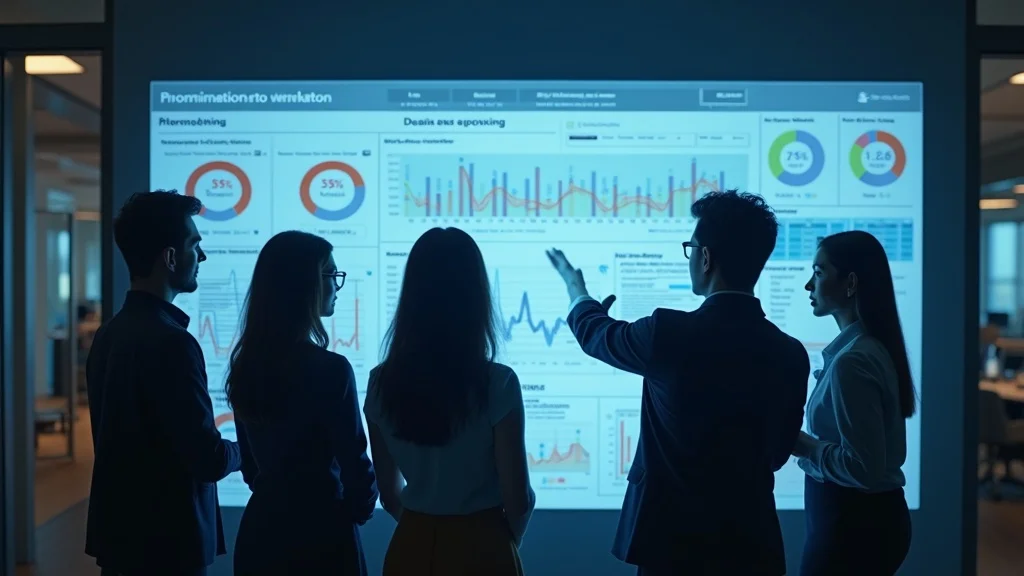
Dynamic business team gathered around laptops and digital displays showing marketing analytics for digital marketing trends

"By 2026, over 90% of businesses are projected to increase spending on digital marketing trends — are you prepared to capitalise on these innovations?"

The Stats Behind Today’s Digital Marketing Trends

Data highlights just how fundamental these key trends are. For instance, over 60% of 2025’s top-performing businesses credited AI tool adoption as a main driver of their marketing results. Meanwhile, recent studies show that voice search now accounts for more than 20% of all search engine queries, and that engaging video content yields up to 49% higher user interaction compared to static posts.

As social media platforms and marketing campaigns become increasingly data-driven, organizations are relying more on machine learning for campaign optimization, customer relationships, and content personalization. These stats underline the growing gap between proactive brands and those trying to catch up—making it clear: the right digital marketing trend can truly be your game-changer this year.

Infographic showing digital marketing trend statistics and analytics for 2026

How Keeping Up with Marketing Trends Benefits Your Business

Adapting to the latest marketing trends isn’t just about following the crowd—it’s about gaining a genuine edge. Businesses that integrate cutting-edge digital marketing strategies can react more swiftly to market changes, reach their target audience more efficiently, and build more personalized relationships through tailored content marketing across various media platforms.

Ultimately, keeping pace with key trends like AI-powered automation, personalized shopping experiences, and influencer marketing can help elevate your business by improving customer experience, streamlining marketing processes, and maximizing the ROI of every marketing campaign. Staying informed ensures you can pivot quickly, whether you're revamping a campaign or exploring new social media platform features.

What You'll Learn in This Digital Marketing Trends Guide

  • The essential digital marketing trends shaping 2026 and beyond
  • How digital marketing trends are revolutionising customer engagement
  • Why integrating new marketing trends can future-proof your strategy
  • Actionable tips to apply these trends in your own marketing campaigns

Top Digital Marketing Trends to Watch in 2026

Artificial Intelligence: AI Tools and Machine Learning Redefining Marketing

Artificial intelligence and machine learning are the engines propelling today’s digital marketing transformation. AI tools allow for fast data analysis, campaign automation, and the seamless creation of personalized content at scale. By automating tedious tasks, marketers gain more time to focus on creative strategy, campaign refinement, and direct engagement with their target audience.

What sets AI-powered marketing apart is its ability to learn from every customer interaction. Predictive analytics can anticipate what your shoppers need even before they know it, creating hyper-personalized shopping experiences. The most agile marketing teams are now leveraging AI tools as an essential part of their marketing strategies—improving campaign efficiency and eliminating guesswork in content marketing.

AI-powered marketing dashboard with marketer using AI tools and digital marketing trend analytics

"AI tools and machine learning are rapidly transforming the way businesses approach digital marketing strategy and campaign execution."

Best AI Tools for Digital Marketing

  • Automated campaign management systems
  • AI-powered content creation platforms
  • Predictive analytics software

Voice Search and the Rise of Conversational Content

The growing popularity of smart assistants and voice-enabled devices is changing how people search for information online. Voice search usage is rising quickly, and adapting your digital marketing strategy for this shift goes far beyond simple keywords. Today, voice queries are more conversational and specific—creating new opportunities (and challenges) for marketers.

To harness this marketing trend, businesses must optimize for voice search by providing clear, concise answers through their website content, local SEO strategies, and product descriptions. Emphasizing natural language and addressing "near me" or question-based queries gives your brand better visibility in search engine results—especially on mobile phones and connected devices.

Consumer using smartphone voice assistant for search queries and digital marketing trend optimization

Optimising Your Digital Marketing for Voice Search

  • Use natural language and conversational phrases in your web content
  • Incorporate long-tail keywords and question-based queries
  • Prioritize local SEO to capture “near me” searches
  • Structure content for featured snippets and quick answers

Engaging Audiences with Video Content

High-quality video content remains at the heart of leading marketing trends. Platforms like TikTok, YouTube, and Instagram Reels have made short-form video central to how brands communicate, share knowledge, and connect emotionally with their audience.

Video content drives higher engagement and retention, with statistics showing that viewers retain 95% of a message when they watch it in a video, compared to just 10% when reading text. To maximize impact, marketing teams must integrate storytelling, product demos, and live sessions into their video strategies—making content both informative and memorable.

Why Video Content Remains a Marketing Trend Leader

  • Delivers the highest engagement rates among digital marketing content types
  • Facilitates brand storytelling, authenticity, and audience trust
  • Supports product launches, behind-the-scenes, and interactive Q&A content

Young creators filming video content as a leading digital marketing trend in 2026

The Influence of Social Media Marketing Trends

No digital marketing strategy is complete without a robust approach to social media. Social media platforms drive community engagement, brand awareness, and customer sentiment. By 2026, visual-first and short-form media will continue to dominate, and algorithms will favor consistent, relevant posting and generated content that sparks conversation.

To build a strong presence, marketers must select the right social media platforms for their target demographic, craft platform-specific content, and engage actively with followers. Emerging networks and features—like shoppable posts, live streams, and AR filters—are reshaping how brands connect with their audience and measure impact.

Social Media Platforms to Prioritise in 2026

  • Instagram Reels and Stories
  • TikTok for trend-driven, viral content
  • YouTube Shorts for educational and brand storytelling
  • LinkedIn for B2B thought leadership and networking
  • Emerging platforms offering immersive, interactive features

Generated Content: Human + AI Collaboration

A defining development within digital marketing trends is the rise of generated content created through collaboration between human marketers and generative AI tools. These systems can write, design, and produce social posts, ads, and even emails in seconds, freeing up creative teams while accelerating campaign delivery.

However, balancing speed and authenticity is crucial. Brands must carefully review and refine AI-generated content to maintain their unique voice, ensure quality, and meet compliance standards. The winning formula involves letting AI handle repetitive or data-heavy aspects, while humans shape messaging, emotional resonance, and strategic brand alignment.

Marketing professional collaborating with AI for generated content as a digital marketing trend

Maintaining Authenticity in AI-Generated Content

  • Review and edit AI-generated drafts to match brand tone
  • Blend machine efficiency with human empathy & creativity
  • Use AI tools to refine but not fully replace original content

Influencer Marketing: Building Trust Through Social Proof

Influencer marketing has matured from experimental to essential. In 2026, marques are partnering with niche and micro-influencers to drive authentic engagement and social proof, especially on visual-first social media platforms. Influencer marketing bridges the gap between brands and communities, leveraging real voices to boost credibility and conversion.

Today, influencer campaigns are measured, data-driven, and fully integrated into comprehensive marketing strategies. Collaboration goes beyond simple product placement; it’s about building lasting relationships, mutual value, and genuine endorsements that resonate with followers’ values, behaviors, and aspirations.

Influencer engaging with followers as a key digital marketing trend in 2026

Selecting the Right Influencers for Your Marketing Campaign

  • Analyze audience demographics and engagement rates
  • Seek influencers who align with your brand values
  • Favour long-term collaborations over one-off posts

Personalised Shopping Experiences and Customer Journeys

Modern shopping experiences hinge on relevance and personal attention. By leveraging data and machine learning, brands can segment audiences, predict preferences, and serve personalized offers or content—leading to higher satisfaction and conversion.

Mapping out sophisticated customer journeys—across devices, channels, and touchpoints—is now essential. Custom recommendations, AI-powered chat, and loyalty programs cater to every stage of the customer lifecycle, deepening engagement and repeat business.

Happy shopper interacting with a personalised online store as part of digital marketing trends in 2026

Mapping the New Customer Journey: Key Tactics

  • Collect and use customer data for smarter personalization
  • Automate product recommendations and support interactions
  • Customize messaging across email, SMS, and in-app channels

Adopting Digital Marketing Trends: Transforming Your Marketing Strategy

Embracing and implementing these leading digital marketing trends is core to building resilient, high-impact campaigns in 2026. Forward-thinking businesses invest in ongoing upskilling for teams, experimentation with new technologies, and measurement frameworks to gauge ROI from every marketing trend tested.

The winning marketing strategy in 2026 is agile, customer-centric, and data-empowered. By aligning team skills, integrating new tools, and learning from analytics, brands can seize opportunity—while competitors are still catching up.

Marketing team brainstorming new digital marketing trends and strategies in 2026

Integrating Digital Marketing Trends Into Your Marketing Campaign

To future-proof your marketing campaign, start with a readiness audit: assess existing strengths, skills gaps, and data infrastructure. Next, experiment with one or two trends—such as AI-powered content creation or social video—to see clear results without overstretching resources. Use a mix of in-house training, external experts, and software solutions to keep your marketing team agile and competitive.

Establish feedback loops across departments to quickly spot what’s working, and pivot when necessary. Sharing wins, learnings, and insights internally ensures that your entire team remains focused, motivated, and transformation-ready.

Aligning Team Skills with Emerging Marketing Trends

Adopting new digital marketing trends starts with fostering a culture of continuous learning. Upskill your marketing team through certifications, workshops, and courses focused on emerging tech, data, AI tool usage, and content creation for new social media platforms. Encourage cross-functional collaboration by forming project-based squads, mixing creative, analytical, and tech talents.

Regularly update job roles and responsibilities to include skills like AI prompt engineering or video storytelling, and link professional growth incentives to the adoption and application of new marketing strategies. This keeps your workforce proactive and ready to lead in a fast-evolving market.

Measuring Success: KPIs and Analytics in Digital Marketing

Every digital marketing trend must be measured to prove effectiveness. Key Performance Indicators (KPIs) tailored to each channel and tactic allow you to track ROI, engagement, reach, and campaign efficiency. Invest in robust analytics tools that offer real-time reporting on critical data points—from campaign automation rates to customer journey milestones.

Frequent analysis and data-driven decision-making ensure that your brand capitalizes on what works and cuts what doesn’t. This discipline transforms digital marketing from guesswork into a finely tuned, results-oriented process that drives real revenue and loyalty.

Sample Table: Key Metrics for Different Digital Marketing Trends

Digital Marketing Trend Core Metric Sample KPI
AI Tool Integration Campaign Automation Rate Decrease in Manual Hours (%)
Voice Search Optimisation Voice Traffic Share Increase in Voice-Driven Conversions
Video Content Engagement Rate Avg. View Duration
Influencer Marketing Brand Mentions Growth in Unique Social Reach

People Also Ask: Digital Marketing Trends in 2026

Digital marketing trends FAQ with marketer browsing questions on a tablet

What is the biggest trend in digital marketing?

Answer: Explore why AI tools and machine learning continue to dominate as the most significant digital marketing trend, driving automation and personalisation across all marketing campaigns.

The biggest trend in digital marketing is the integration of AI tools and machine learning. These technologies enable brands to automate routine tasks, analyze large datasets instantly, and provide highly personalized customer experiences. Marketing campaigns powered by AI are more adaptive, cost-efficient, and effective in delivering the right message to the right audience—at the right time. As businesses keep pushing the boundaries, expect this trend to continue leading the way in transforming marketing strategies in 2026.

What is the 70 20 10 rule in digital marketing?

Answer: Learn how the 70 20 10 rule helps marketers allocate resources — 70% on core tactics, 20% on evolving strategies like video content or social media, and 10% on experimental digital marketing trends.

The 70 20 10 rule guides marketers on resource allocation within a marketing strategy: spend 70% of your time and budget on proven, core tactics; 20% on emerging strategies (such as video content or new social media platforms); and 10% on testing fresh, experimental digital marketing trends. This approach ensures a solid foundation while allowing room for innovation—keeping your brand both stable and future-ready.

What are the top 7 types of digital marketing?

Answer: Discover the seven pillars: content marketing, social media, influencer marketing, email, SEO, paid advertising, and AI-driven digital marketing.

The top seven types of digital marketing shaping the industry are: content marketing (blog posts, videos, guides), social media marketing (platform outreach and engagement), influencer marketing (authority partnerships), email marketing (newsletters, nurture sequences), SEO (organic search optimization), paid advertising (PPC, display, social ads), and AI-driven digital marketing (automation and personalisation). Combining these marketing trends allows brands to create diverse, powerful, and expansive campaigns.

What is the future of digital marketing in 2027?

Answer: Data-driven, AI-empowered, and customer experience-centric—digital marketing trends in 2027 will focus on predictive analytics, immersive media, and hyper-personalisation.

Looking ahead to 2027, digital marketing will become even more data-driven, leveraging predictive analytics and personalized content at every step of the customer journey. AI and immersive media—like AR/VR—will drive higher engagement, and marketing strategies will focus on delivering seamless, end-to-end customer experiences across all digital touchpoints.

Watch: Real-World Applications of AI Tools in Digital Marketing Campaigns

See how leading marketing teams use AI tools, interactive dashboards, video shoots, and influencer collaborations to launch highly effective campaigns—driving deeper audience connection and measurable growth.

Trends in Social Media and Video Content: Visual Marketing in 2026

Short-form video content—15- to 60-second clips tailored for platforms like TikTok, Instagram Reels, and YouTube Shorts—will dominate visual marketing. Brands should focus on creativity, storytelling, and authenticity to capture fleeting attention spans and boost engagement. Investing in video creation skills, tools, and strategies is no longer optional—it's a key requirement for digital marketing growth in 2026 and beyond.

Digital Marketing Trends Lists and Key Takeaways

  • AI tools are reshaping content creation and campaign automation
  • Voice search is changing how users interact with brands
  • Video content leads overall user engagement
  • Social media platforms remain essential for audience growth
  • Influencer marketing is maturing for credibility and outreach
  • Personalised shopping experiences drive customer loyalty

Key Takeaways from 2024 Digital Marketing Trends

  1. Stay updated with emerging digital marketing trends to remain competitive.
  2. Adopt AI tools and machine learning to streamline your marketing campaigns.
  3. Optimise for voice search and video content to match audience expectations.
  4. Embrace influencer marketing and personalised shopping experiences to deepen customer relationships.

FAQs on Digital Marketing Trends

How often do digital marketing trends change?

Digital marketing trends evolve rapidly—some monthly, many annually—driven by technology shifts, algorithm updates, and changing consumer expectations. Staying informed enables you to act on new opportunities faster than your competitors.

What industries benefit most from current marketing trends?

Industries with strong online customer bases—such as retail, e-commerce, travel, entertainment, and finance—see the greatest benefits. However, nearly every sector can leverage digital marketing trends to improve brand presence and growth.

Is it expensive to incorporate digital marketing trends?

Costs vary widely. Many effective strategies, like improving content or social engagement, require more time than budget. Investments in AI tools or media production may be costlier upfront but often result in significant ROI over time.

Conclusion: Defining Your Digital Marketing Strategy with 2026 Trends

"Tomorrow’s marketing success is decided by today’s speed of change. Embracing digital marketing trends isn’t optional—it’s essential."

Adapting to emerging digital marketing trends puts your brand at the forefront of the market. By blending creativity, technology, and insight, you can drive lasting customer relationships, deliver breakthrough results, and redefine what’s possible in 2026.

Are you ready to optimise your local business for unique searches? Contact us today to learn how we can help you dominate local SEO with tailored content strategies designed to capture your ideal customers.

Digital Marketing

1 Views

0 Comments

Write A Comment

*
*
Related Posts All Posts
12.26.2025

Stop Losing Leads—Increase Traffic Conversion Rates Now

The good news? You don’t need a bigger marketing budget—just a smarter approach to traffic conversion rates Unveiling the Truth: Why Traffic Conversion Rates Hold the Key to Business Growth “Businesses that optimize their traffic conversion rates can see up to a 200% increase in revenue—without spending a dollar more on ads.” Businesses thrive not by simply increasing their traffic but by converting more of their current visitors into buyers or leads. Traffic conversion rates directly measure the percentage of potential customers completing your desired action, making them one of your most important metrics. Even if your site attracts thousands of visitors a day, a weak conversion rate means wasted opportunity and lost revenue. By focusing on higher conversion rates, your existing marketing efforts become exponentially more effective. Every customer gained from your current pool of website visitors increases sales without raising your advertising budget. This approach to growth isn’t just about numbers—it’s about creating a seamless user experience that guides prospects from interest to action. Whether in ecommerce conversion or any online business, elevating the conversion rate is a proven strategy for outperforming competitors. No matter your industry or product or service, improving conversion rates transforms site traffic into real results, fueling consistent business growth and strengthening your brand’s market position. What the Data Says About Traffic Conversion Rates According to multiple industry studies, the average conversion rate across landing pages and online businesses hovers between 2% and 5%. That means for every 100 visitors, only a handful complete your goal—be it making a purchase, subscribing to a newsletter, or requesting more information. Leading companies, however, routinely achieve conversion rates of 10% or more. This data underlines the vast difference between businesses that actively pursue conversion rate optimization and those that don’t—showing why keeping an eye on your rate measures is vital. Research also reveals that minor improvements to landing page design, faster load speeds, and clearer Calls to Action (CTAs) can increase conversion rates by over 40%. The effect compounds: higher conversion rates translate into more sales, better lead generation, and lasting customer relationships—all without the added cost of acquiring more site traffic. The Startling Reality of Poor Traffic Conversion Rates Most websites underperform in turning visitors into customers. Companies often focus solely on increasing the total number of visitors or spending heavily on social media ads without realizing that a weak conversion rate means those investments deliver little return. If your site averages a 1% conversion rate, a boost to just 2% would double your results—transforming every digital effort you make. Ignoring this metric means allowing your competitors, who focus on rate optimization, to capture market share from right under your nose. The good news? By understanding and addressing these factors, you can quickly flip the script—retaining more leads and unlocking the true value of your site traffic What You'll Learn About Traffic Conversion Rates The definition of traffic conversion rates and why they matter Key strategies to improve your landing page effectiveness How to benchmark your conversion rate Proven techniques for conversion rate optimization How to interpret average conversion rates for your industry By the end of this article, you'll have actionable insights and a clear roadmap for turning more of your site traffic into customers, leads, and engaged users—all through understanding and enhancing your traffic conversion rates. Traffic Conversion Rates: The Core Concepts Understanding Landing Page Effectiveness and Its Impact on Traffic Conversion Rates At the heart of every high-performing website is an effective landing page—the focused entry point designed to convert visitors into customers or leads. Your landing page serves as the digital front door, and its design, message, and call to action all play critical roles in boosting traffic conversion rates. Unlike a homepage, which caters to a broad audience, landing pages are built around a single, targeted goal and a clear, compelling path for site visitors to follow. Strong landing pages use crisp headlines, persuasive copy, simple forms, and unmistakable CTAs. They build trust with testimonials, trust signals, and transparent explanations. When you optimize these elements, your conversion rate jumps—sometimes dramatically. Landing page effectiveness comes from removing friction and distractions, making it easy for potential customers to take the desired action. Effective landing pages consistently outperform generic homepages and are essential for any successful lead generation or commerce conversion strategy. How Conversion Rate and Conversion Rates Differ—A Closer Look Key terms: conversion rate, conversion rates, landing page, rate benchmark What makes a good conversion rate? The term conversion rate typically refers to the percentage of visitors who complete a specific desired action, such as making a purchase or filling out a form, in a single instance—often tied to a distinct landing page or campaign. By contrast, conversion rates (plural) may refer to this metric across multiple campaigns, product pages, or customer segments, offering a broader view of performance. Understanding this difference helps you target your optimization efforts more effectively, tailoring strategies for each type of landing page or product or service on your site. A “good” conversion rate depends on your industry and the complexity of your offer, but most businesses aim for at least 2%–5%. Elite performers with optimized user journeys and rate benchmarks regularly surpass 10%. The key is ongoing measurement and steady improvement—what works for one landing page or segment may be different for another, so continual review keeps your results rising. Benchmarking Your Traffic Conversion Rates: Where Do You Stand? Average Conversion Rate: Industry Benchmarks for Landing Pages Average Conversion Rates by Industry Industry Average Conversion Rate Ecommerce 2.0% – 3.0% Finance 4.5% – 6.0% Legal 4.0% – 6.0% Education 3.5% – 5.0% Real Estate 2.8% – 4.6% B2B Services 2.0% – 4.0% Industry benchmarks help you gauge performance and identify opportunities for growth. While a 2% ecommerce conversion rate is considered standard, sectors like finance or legal may see average conversion rates of 5% or higher. Comparing your numbers to these benchmarks shows if your landing pages and campaigns are delivering—or if there’s room (often significant) to improve conversion. Always track your metrics over time and adjust your targets as your strategies evolve. Conversion Rate Benchmark: How to Measure Your Success A conversion rate benchmark is a reference point for evaluating your landing pages or campaigns. Set a baseline by measuring the number of conversions against the total number of visitors (e.g., 200 conversions from 10,000 visitors = 2% conversion rate). Review historical data, monitor spikes or dips, and compare to both your own past performance and to industry averages. Success means consistent improvement and outperforming your own previous campaigns—an achievable goal when you treat rate measures as a central business metric. Tools like Google Analytics, heatmaps, and A/B testing platforms can help you accurately track conversion rates and spot what’s working. Remember: the “right” benchmark is one you can steadily improve on, not just a static industry average. The true measure of success is exceeding your own best results. Ecommerce Conversion Rates vs. Commerce Conversion Rate Ecommerce conversion rates specifically relate to the percentage of online store visitors who make a purchase. This is crucial for retailers competing in a crowded digital marketplace. On the other hand, a general commerce conversion rate may refer to any conversion relevant to your business goals—appointments booked, forms completed, or calls scheduled. Both metrics are vital: they reveal how well your site turns interest into action at every stage of the customer journey, and they pinpoint which landing pages or offers need the most attention for rate optimization. Monitor both metrics so you can target improvements that impact your business’s bottom line. Even a small jump in ecommerce conversion can mean thousands in additional revenue each month. Benchmark and measure routinely for insight-driven decisions that fuel sustainable business growth. The Anatomy of a High-Converting Landing Page Optimizing Landing Pages for Higher Traffic Conversion Rates Essential landing page elements: headlines, CTAs, trust signals Landing pages vs. homepages: where to focus? Effective landing pages are the engines of higher conversion rates. Unlike your site’s homepage, which serves diverse goals and audiences, landing pages have one focus—a single desired action like buying, signing up, or requesting a demo. Key elements include a clear, benefit-driven headline, concise explainer text, a bold CTA button, and trust signals (such as testimonials, security badges, or case studies). Each element should funnel site visitors toward taking action while removing distractions or confusion. A dedicated landing page for each campaign or ad group increases relevance, personalizes messaging, and provides direct pathways for conversion. The more tailored and focused your landing pages, the higher your overall traffic conversion rates, as potential customers experience less friction and more confidence in completing their journey. Best Practices for Landing Page Design and Conversion Rate Improvement "The right landing page can double your conversion rates overnight." To maximize conversion rates, observe these best practices: first, minimize required information—short forms convert better. Second, make your CTA button impossible to miss but easy to understand (“Get My Free Demo” is clearer than “Submit”). Third, leverage social proof, like customer testimonials or real-time purchase notifications. These tactics build trust and reinforce value. For rate optimization, continuously test new headlines, images, and CTAs, using data to fine-tune results. Lastly, never underestimate page speed—faster pages encourage more conversions. By adhering to these guidelines and using targeted, campaign-specific landing pages, you’ll dramatically improve conversion and ensure your traffic conversion rates continually trend upward above the industry’s average conversion rate. Proven Strategies to Improve Traffic Conversion Rates Conversion Rate Optimization Techniques A/B testing for rate optimization Personalization strategies for landing pages Simplification and speed enhancements Conversion rate optimization (CRO) blends science and creativity to unlock your site’s full potential. A/B testing—comparing variations of headlines, images, or CTAs—pinpoints what resonates most with site visitors and delivers quantifiable rate improvements. Personalization comes next: dynamic landing pages that greet repeat visitors by name or display offers based on their interests routinely trump generic content. Finally, simplification is key—a streamlined user experience, with minimal forms and fast load times, directly correlates with higher conversion rates. The most successful businesses treat CRO as an ongoing process rather than a one-off project. With continuous testing and adjustment to your campaigns, you can eliminate bottlenecks, respond to changing audience preferences, and ensure every modification works toward maximizing conversions and revenue growth. Leveraging User Behavior Analytics to Improve Conversion Rates Understanding how visitors interact with your landing pages uncovers valuable opportunities for optimization. Use analytics tools to study where users click, how far they scroll, and where they drop off before converting. Google Analytics provides deep insights on traffic sources, bounce rates, and top-converting pages, while heatmap software visually highlights friction points that hinder conversions. Monitor conversion paths to pinpoint where potential customers lose focus or confidence. This enables highly targeted tweaks that improve conversion: a clearer CTA, a streamlined checkout process, or removal of unnecessary fields. The more you learn from your data, the smarter your conversion rate decisions become—and the faster your results start climbing. Practical Examples: Transforming Your Traffic Conversion Rates Case Study: Ecommerce Conversion Rate Optimization Consider an online retailer struggling with a 1.5% ecommerce conversion rate. By redesigning key landing pages—shortening the purchase form, adding real-time customer reviews, and increasing page speed—they raised their conversion rate to 3.2% in three months. The result: double the sales and stronger lead generation—all from the same number of site visitors. It’s a vivid illustration of how targeting landing page bottlenecks and following industry best practices can transform commerce conversion rate performance. Successful businesses routinely run similar experiments, checking their rate benchmarks, monitoring performance, and doubling down on what delivers the best return. The results speak for themselves: steady, compounding gains in revenue and customer loyalty, all driven by smarter rate optimization rather than bigger ad budgets. Quick Wins: Simple Changes That Improve Conversion Instantly "Sometimes, reducing a landing page’s form fields from four to two can increase conversion rates by 45%." Simple changes often have outsized impact. Start by reducing the number of required form fields—only ask for what you truly need to complete a conversion. Swap generic headlines for action-driven ones that focus on concrete benefits. Make sure your CTA is the only clickable button above the fold. Remove unnecessary menu items from landing pages to keep users focused. Test a trust badge or guarantee statement near the CTA to eliminate last-minute hesitancy. Each modification is a step towards a higher conversion rate—repeat these quick wins and your results will accelerate. Analyzing Metrics: How to Monitor and Interpret Traffic Conversion Rates Tools to Track Conversion Rates Effectively Google Analytics Conversion rate software solutions Tracking conversion rates is straightforward with the right analytics tools. Google Analytics not only measures site traffic and conversion goals but also reveals valuable context, such as which marketing channels yield the most qualified visitors. Specialized conversion rate software further automates A/B testing, heatmap analysis, and funnel visualization, so you can spot winning elements and replicate them across landing pages. The best tools display trends over time, making it easy to know if you’re improving and to identify sudden drops that need attention. Make it a habit to check these dashboards regularly—daily for active campaigns, weekly for broader performance reviews. Proactive monitoring is the foundation of reliable, ongoing conversion growth. Setting and Adjusting Your Rate Benchmark Set your conversion rate benchmark based on industry data, your historical averages, and your campaign’s unique goals. As you gather more performance data, adjust your benchmarks upward: if your previous best for a landing page was 2.5%, set your new target at 3%. Celebrate small wins and incremental improvements; consistency creates long-term, compounding growth. Always aim to outperform your own previous best, using data and feedback from your analytics tools to drive your next steps. Be realistic—industry benchmarks provide useful context, but your most important competitor is your own past performance. Regularly set, review, and increase your target conversion rates for continual improvement. People Also Ask About Traffic Conversion Rates What is a traffic conversion rate? Answer: A traffic conversion rate measures the percentage of visitors to a landing page or website who complete a desired action, such as making a purchase or signing up for a newsletter. High traffic conversion rates indicate effective marketing and website design. Is a 30% conversion rate good? Answer: Generally, a 30% conversion rate is considered exceptionally high, depending on your industry and average conversion rate. Most landing pages average between 2% and 5%, so 30% is significantly above standard rate benchmarks. What's the difference between CTR and conversion rate? Answer: Click-through rate (CTR) measures the percentage of people who click a link compared to those who view it, while conversion rate measures the percentage of those visitors who complete a desired goal after clicking. Both are useful for understanding the effectiveness of your marketing funnel. What does a 2% conversion rate mean? Answer: A 2% conversion rate means that out of every 100 visitors to your website or landing page, 2 complete your desired action. This is often within the average range for many industries. A short explainer video, animated with a modern aesthetic, shows how visitors become conversions: from arriving on a page, clicking CTAs, and watching graph numbers rise. Smooth transitions, upbeat music, and diverse character animations highlight key points of optimizing conversion. FAQs About Traffic Conversion Rates, Landing Page Optimization, and Rate Benchmarks How often should I test my landing page for conversion? What factors impact ecommerce conversion rates the most? Are there optimal times to improve conversion rates during the year? How often should I test my landing page for conversion? You should test your landing page at least once per quarter, or whenever you launch a new major campaign or make significant design changes What factors impact ecommerce conversion rates the most? Key factors include landing page clarity, fast load speeds, simple checkout processes, strong trust signals (like security badges and testimonials), and targeted product recommendations Are there optimal times to improve conversion rates during the year? Yes—peak sales periods like holidays or promotional events are prime opportunities Key Takeaways: Maximizing Your Traffic Conversion Rates for Stellar Results Traffic conversion rates are vital to unlocking business growth. Understanding benchmarks and industry standards is critical. Continuous optimization and testing drive sustainable improvement. Next Steps: Start Optimizing Your Traffic Conversion Rates Today Are you ready to optimise your local business for unique searches? Contact us today to learn how we can help you dominate local SEO with tailored content strategies designed to capture your ideal customers. Conclusion: Take what you’ve learned and start testing—small, smart changes to your landing pages can yield major improvements in your traffic conversion rates and business results.

Terms of Service

Privacy Policy

Core Modal Title

Sorry, no results found

You Might Find These Articles Interesting

T
Please Check Your Email
We Will Be Following Up Shortly
*
*
*